
By Oliver Silverstein, Chief Operating Officer, SoaR Gaming
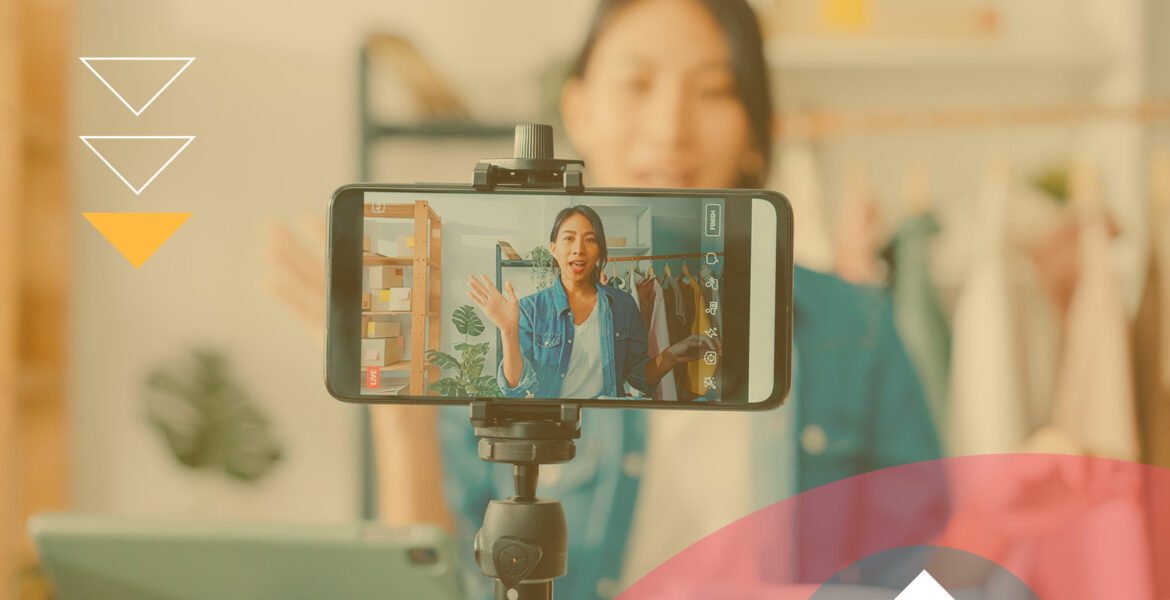
Livestreaming is having a moment, but the shift has less to do with who is watching live and more to do with how content travels afterward.
In 2025, livestream consumption reached a four-year high, according to StreamHatchet. Professional athlete streams on Twitch were up 40% year-over-year. Celebrities, musicians, founders, and companies are also increasingly experimenting with going live—minting digital stars that range from Clavicular to TBPN at an accelerated clip. More importantly, what was once a gaming-native format is now branching out into the wider mainstream.
But what’s interesting is that most of, if not all of the value, is actually happening downstream.
A modern livestream is no longer just a live broadcast, but a platform to reliably produce content at scale and extend its lifecycle. A several-hour stream can be cut into hundreds or sometimes thousands of short-form clips that are distributed across TikTok, Instagram Reels, and YouTube Shorts. Dedicated fan accounts and clip farms accelerate this process, generating aggregate off-platform views that are often multiples of the original live audience. Even companies like Vyro and OpusClips are cropping up in an effort to capture part of this fast-growing clip economy.
For brands, this reframes how livestreams should be evaluated and used in the marketing mix.
Livestream marketing used to be measured by concurrent viewership, chat engagement, and brand integrations delivered to a defined live audience. That model incorrectly assumed that the value was contained within the stream itself.
Clipping changes that in a significant way. A brand mention, product demo, or co-created moment inside a livestream can be repackaged into dozens of short-form assets that travel independently across platforms. Each clip becomes a new entry point for discovery, untethered from the original live broadcast window, with its own shot at virality. The combination creates a well-oiled content engine—or, in the words of Link in Bio author Rachel Karten: “the ecosystem of streaming, clipping, and showing up every single day is very hard to beat.”
This model is no longer confined to gaming and traditional creators either. Athletes are streaming offseason training and gameplay to connect with fans and prop up the leagues behind them. Linkin Park livestreamed their reunion tour and later broke the performance up into a collection of short-form clips, with some topping 40 million views as Instagram Reels—about three times more than the full-length performance drew on YouTube. Even the business and tech community is leaning in, with podcasts like TBPN broadcasting multi-hour conversations daily that fuel a steady stream of show clips across X feeds.
Apart from our insatiable appetite for short-form video, the approach signals another consumer-led shift in media consumption: the staunch rejection of content that feels fake.
With AI slop, over-produced creative, and scripted ad reads inundating feeds, audiences are increasingly gravitating toward content that feels unscripted, real, and most importantly, human. Livestreaming is where those raw moments are happening, allowing clips to retain the texture of authentic, real-time interaction that separates them on crowded timelines.
For marketers, the advantage is in knowing that a livestream’s impact doesn’t exactly end when the broadcast does. There is real opportunity in designing brand activations with distribution in mind—structuring campaigns that spark non-stop, bite-sized entertainment which can later be clipped, shared, and resurfaced over the course of weeks or months.
Livestreaming won’t replace traditional social or video advertising, but it’s increasingly positioned to feed it. As more celebrities, athletes, and creators adopt this strategy, the supply of clip-ready material will only expand—and with it, the opportunity for brands to embed themselves into moments that feel culturally relevant rather than commercially inserted.
In a media landscape defined by fragmentation and algorithms, formats that generate both real-time engagement and sustained distribution are poised to hold the advantage—and livestreaming, amplified by clipping, is quickly becoming one of them.