
By Phil Case, President and Chief Client Officer, Max Connect Digital
Why Most Companies Are Optimizing Themselves Into Slower Growth
Your ROAS might be improving. But you could be running out of customers.
That may sound counterintuitive, but it’s a conversation I’ve had repeatedly with companies generating tens of millions in annual revenue. They tell me the same thing: “Our ROAS is up, but our revenue is down. What’s happening?”
The answer is surprisingly simple. You’ve become exceptionally good at harvesting demand while forgetting to create it.
Modern advertising platforms are incredibly effective at finding the people most likely to buy right now. Algorithms optimize toward the shortest path to conversion. The lowest friction. The highest intent audiences. And initially, that efficiency feels like progress.
But eventually, you encounter a dangerous side effect of optimization: you’re showing up in front of the same people over and over again. I sometimes joke that ROAS stands for “Running Out of Audiences Soon.”
When every marketing dollar is focused on consumers already close to making a purchase, you’re not expanding your market. You’re simply extracting demand from a finite audience. The pool you’re drawing from slowly shrinks, even while campaign performance metrics appear healthy.
The problem is that most businesses respond to this signal the wrong way.
They cut investment in brand-building initiatives because they feel harder to measure. They shift even more budget toward short-term performance campaigns. When revenue softens, they launch promotions to close the gap. Discounts temporarily increase conversion volume, but over time customers learn to wait for deals. Margins shrink. Promotional pressure increases. And suddenly the business becomes dependent on tactics that are increasingly expensive to sustain.
What started as a tactical decision eventually becomes a structural dependency.
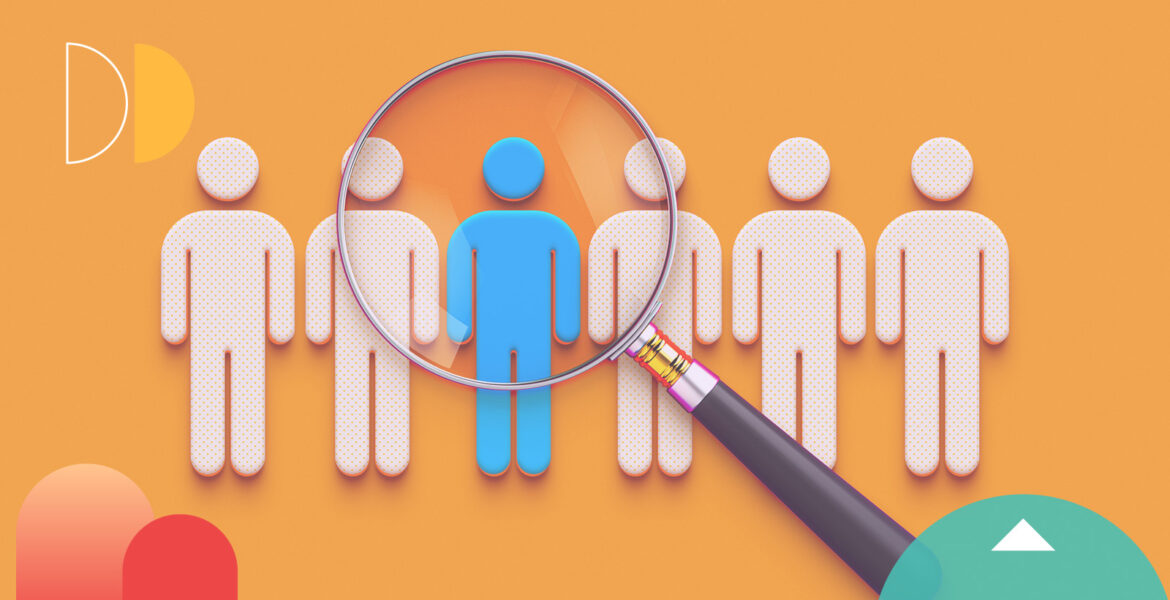
The reality is that most businesses are competing for an increasingly smaller slice of their actual market. Research from the Ehrenberg-Bass Institute suggests that only about 5% of your future buyers are actively in-market at any given time. The other 95% are future buyers. Yet most marketing budgets are overwhelmingly focused on winning the attention of that same 5%.
Think about that for a moment.
Companies spend the vast majority of their marketing resources pursuing consumers who are already shopping while largely ignoring the audience that will determine their growth six months, twelve months, or three years from now.
That’s the opportunity.
The most valuable marketing often happens before a customer has any intention of buying.
Nobody wakes up one morning and instantly decides which homebuilder, insurance company, healthcare provider, or software platform they’re going to choose. Those decisions are heavily influenced by months of accumulated familiarity.
The brands that consistently win are the brands that entered the consumer’s mind long before they entered the buying cycle. By the time purchase intent appears, the real competition is often already over.
This is where many organizations misunderstand brand marketing. Brand building isn’t about vanity metrics. It isn’t awareness for awareness’ sake. And it certainly isn’t disconnected from revenue. Brand marketing enlarges the future pool of prospects. It creates familiarity before intent exists. It makes your company recognizable before consumers start researching solutions. It builds memory structures that influence future buying decisions long before a customer fills out a form or clicks an ad.
The conversation every leadership team should be having is whether they’re creating demand or merely harvesting it.
Of course you should pursue the consumer ready to buy today. Performance marketing remains incredibly important. But if that’s all you do, growth will eventually stall because you’re only serving today’s demand while neglecting tomorrow’s.
If all of your campaigns were turned off today, what would be your baseline revenue?
That question reveals the true strength of a brand.
Baseline revenue includes the customers who continue showing up even when paid media stops. It’s the people searching for your brand by name. The repeat purchasers who return without another promotion. The direct traffic, branded organic traffic, email engagement, referrals, and word-of-mouth demand that exists because people already know, trust, and remember you.
In other words, baseline revenue is demand your brand has earned, not demand you had to rent through advertising. The companies that win over the next decade won’t simply be the best media buyers. They’ll be the organizations that invest in future demand while everyone else competes for existing demand.
They’ll build familiarity before intent exists. They’ll earn attention before customers start shopping. They’ll plant seeds while competitors focus exclusively on harvesting.
Because when the next generation of buyers finally enters the market, the strongest brands won’t need to convince them.
They’ll already be remembered.