This generation isn’t rejecting digital media; they’re rejecting anything that feels passive or disconnected from the world around them.


Presented by

This generation isn’t rejecting digital media; they’re rejecting anything that feels passive or disconnected from the world around them.
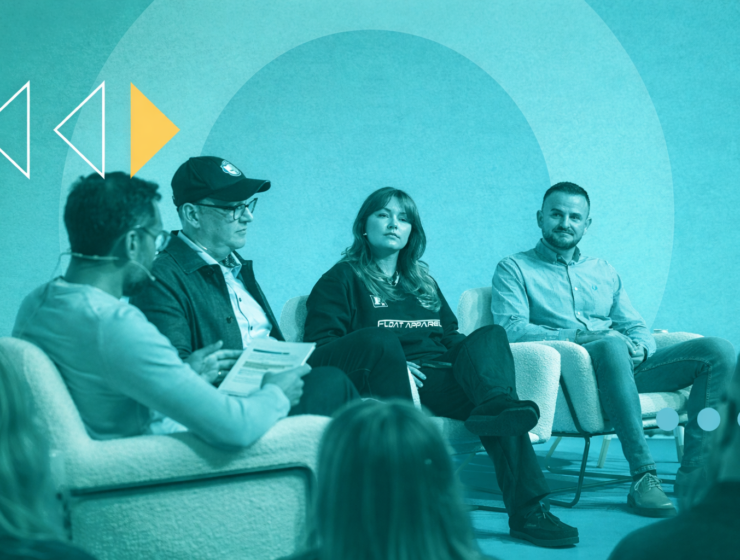
The sound-off era is over. Jenny Haggard, the Global Head of Thought Leadership at Spotify, gave an introduction into how audio innovations are altering the media landscape.

By combining insights into community influence with precise mail targeting, brands can convert human trust into commercial outcomes, proving that traditional channels still have a role to play in a modern, data-driven marketing strategy.






If you’re looking to get the finishing touches to your summer and autumn outfits, join us as we walk you through the top trainer trends of 2021.

Old print vehicles aren’t grabbing attention or influencing purchase behavior the way they once did. Most Americans—46% according to Pew Research Center—don’t even look at print circulars anymore.

The retail sales season will soon be upon us, starting with back-to-school sales next month through to retail’s most significant sales event – Black Friday.

If there’s anything certain about today’s world, it’s that it’s uncertain. And in the world of B2B, nowhere is that uncertainty more well-founded than in B2B events.

Between two products of identical quality and cost, today’s consumers will choose the product that stands for something they support ten out of ten times. We promise.

Successful agencies actively strive to develop and maintain long-term client relationships. And it’s easy to see why.

It’s like the American populace have been bottling up their feelings for decades and finally exploded in a roaring symposium of joy, sadness, fear, excitement, anger and more.

It’s no exaggeration to suggest that Covid-19 has brought out the best in retail brands. This was especially evident on the supermarket frontline, where uncomplaining staff provided reassurance and support as anxious customers descended on food aisles last year.

Retailers have experienced a cataclysmic shift over the past year. What used to be considered standard is no longer relevant as online shopping has progressed at warp speed.

A recent survey found that 6 out of 10 consumers think that brands have a responsibility to be encouraging COVID-19 vaccinations. Major brands, from Budweiser to Krispy Kreme, are stepping up to this challenge by offering incentives unique to their brands.

For digital media, advertising and numerous other industries, automation is the key solution needed to improve efficacy and efficiency, allowing businesses to outperform the competition.

Did you know that an average U.S. consumer spends more than 70% of their day outside their home?