




Creative Personalization is The Key to Campaign Differentiation and Unlocking Performance at Scale

By Grant Parker, COO of Flashtalking and Mediaocean
Consumers face an incessant barrage of messages daily, and breaking through the noise, at scale, remains a marketing imperative. We recently surveyed 100 leading marketers on these issues, and what we learned underscores the emerging reality that Creative Ad Tech, designed for automation, relevance, and intelligence, will be what drives successful advertising campaigns at scale. Specifically, that success is reflected in campaign differentiation and breakaway performance.
The survey’s outcomes, reported in our Q3 release of, “Breaking through the Digital Ad Ceiling with Creative Personalization,” visualized in this infographic, lay bare the fact that personalized ads are the winning formula for achieving higher conversions and increased customer engagement.
An overwhelming 97% of marketers surveyed are convinced that personalized ads are the key to greater conversions and more customer engagement. This nearly unanimous verdict highlights the impact of personalization on advertising effectiveness. In an age where consumers anticipate tailored experiences, the ability to craft personalized messages that deeply resonate becomes non-negotiable. It not only supports the likelihood of conversion but also nurtures customer loyalty, cementing enduring bonds between brands and their customer base.
Furthermore, the survey spotlights that 79% of marketers now consider creative optimization a core component of their working media budgets to sharpen their messages, adapt to changing conditions, and keep one step ahead of the competition.
As programmatic media evolves beyond behavioral targeting, securing incremental growth becomes more challenging. Within this framework, advertisers are searching for the next big breakthrough to propel their business. A striking 96% of survey respondents firmly believe that creativity will assume an even more central role in advertising campaigns over the next decade.
Nevertheless, while creative personalization brims with potential, it is not without challenges. One obstacle is the shortage of insights and data for constructing dynamic creative content. A substantial 91% of those surveyed note major shortfalls in creative intelligence. This lack of data-driven insights holds marketers back from effectively customizing their messages to individual circumstances. To surmount this hurdle, companies need to invest in advanced analytics and AI-driven solutions.
A resounding 90% of respondents also complained of siloed teams as cause for inefficiency and sluggish performance. Silos obstruct the synergy between creative, data, and technology, hindering the seamless execution of personalized campaigns. To harness the power of creative personalization, organizations must encourage inter-team collaboration based on the sharing of data, resources and expertise.
Additionally, 73% of marketers reported a gap between brand messages and consumer experiences due to siloed technology. This fragmentation can lead to poor customer experiences. To overcome this dilemma, brands must invest in integrated technology solutions that assure consistency and coherence across marketing channels and throughout the customer journey.
With evolving technology, marketers are learning how creative personalization can drive better outcomes, from brand engagement to sales revenue. Yet, to fully reap the rewards of creative personalization, they must tackle obstacles such as disjointed technology, resource allocation, and creative data and insights. A revolution in digital advertising efficiency is at hand, and Creative Ad Tech stands poised to forever change how marketers reach and engage their customers.
You May Also Like
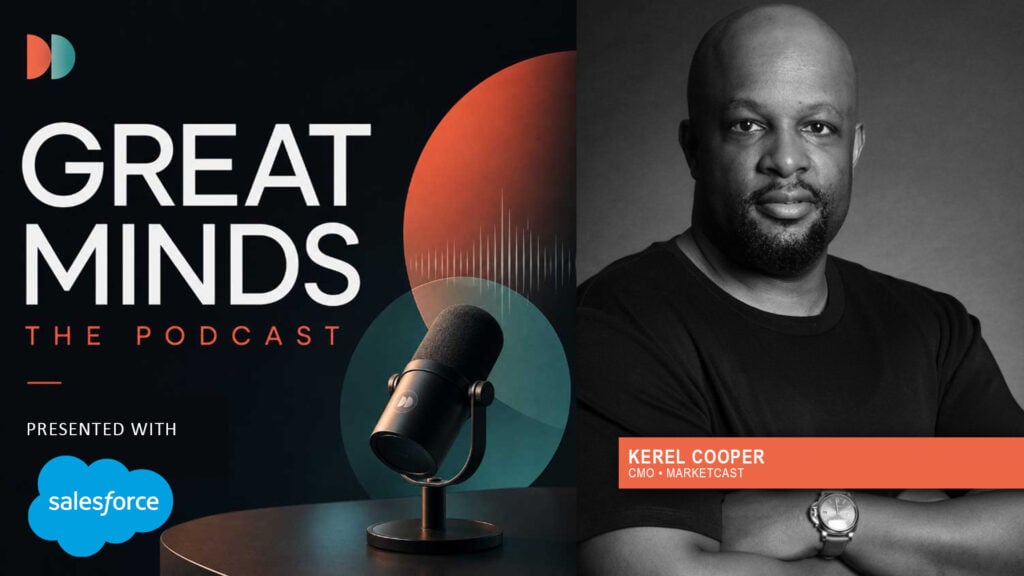
What the Dashboard Can’t Tell You About People Featuring Kerel Cooper of MarketCast
Joining us is Kerel Cooper, Chief Marketing Officer at MarketCast. Kerel shares why he believes marketers can learn from the strongest consumer brands and how human judgment should guide the use of AI in creative work.
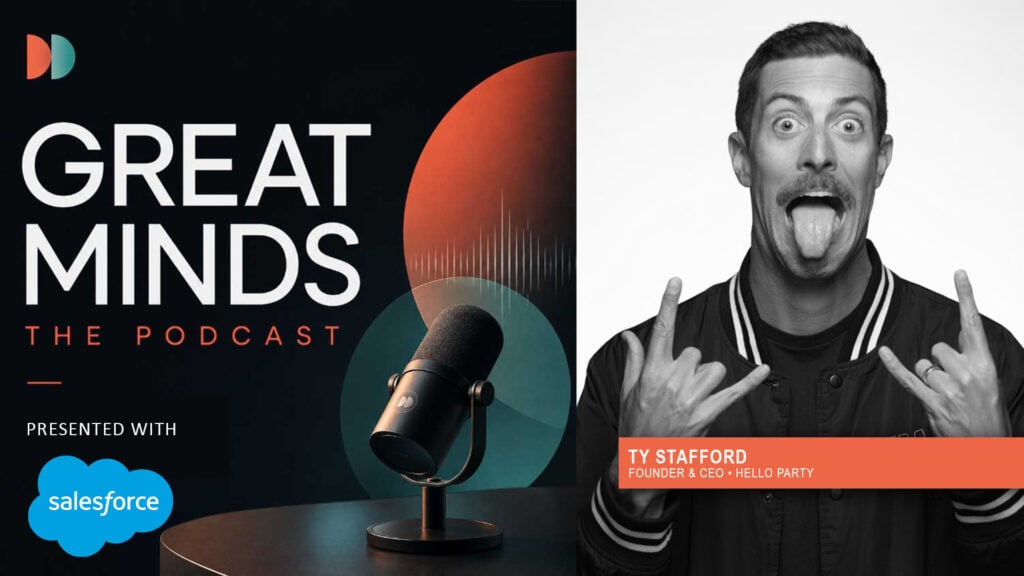
Would You Share It If You Didn’t Work Here? Featuring Ty Stafford of Hello Party
Joining us is Ty Stafford, Founder and CEO of Hello Party, whose experience spans making YouTube videos in his dorm room and working at Red Bull Media House.

From the Conference Floor to the Boardroom: How Kindle Scribe Is Changing the Way Executives Capture Ideas
At Advertising Week New York 2026, Amazon’s Kindle Scribe offers a glimpse into how business leaders are combining the familiarity of handwritten notes with the convenience of digital technology to make the most of an increasingly demanding professional world.