




How Marketers Can Stand out From the Inbox Crowd
By Allie Naughton, Director, Strategy & Insights at Listrak
If there is one constant in marketing, it is change. From GEO, the GenAI-driven shift in SEO, to RCS, the next generation of text messaging, today’s marketing mix is changing fast. And yet, despite all the emerging new channels, some things remain the same: email is still the backbone of the marketing mix, delivering strong ROI, and making the whole marketing program smarter.
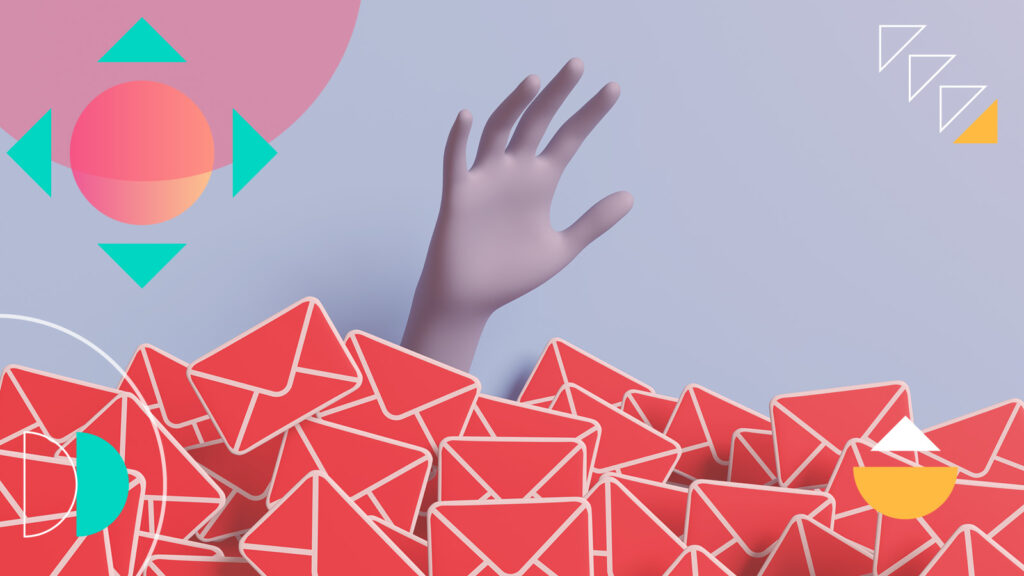
At the same time, with inboxes becoming more crowded than ever, and ISPs making multiple changes within the last year, one email is gaining more traction in terms of CTR and revenue: transaction email.
As inbox providers further separate promotional from transactional traffic (i.e. Gmail’s new Purchases folder, and in SMS the iOS26 Messages Transactions folder), retailers’ transactional messages benefit from heightened relevance. These messages can deliver increased revenue growth that significantly outpaces volume, indicating stronger engagement and purchase activity.
Here’s a look at the rise of transactional messages, and how marketers can optimize the post-purchase journey.
The rise of transactional messages
Given their heightened relevance in consumers’ inboxes, transactional and post-purchase communications are seeing measurable engagement gains. According to Listrak’s 2026 Cross-Channel Benchmark Report:
- Transactional messages (i.e. order and shipping confirmation) drove approximately 20% more revenue this year, yielding the highest clickthrough rates as consumers review critical order information. With sends being flat, this shows the rise in these messages’ importance in the repurchase cycle.
- Post-purchase campaigns saw a 38% increase in Revenue Per Send (RPS), as brands increasingly personalize messaging based on what was purchased. Gone are the days of a generic Thank You message.
- SMS triggered campaigns continued to see year-over-year gains in sends and revenue – with the biggest growth campaigns being Browse Abandonment (Page and Product) and Post-purchase, demonstrating SMS’s role in capturing high-intent demand and ensuring all messages reach the consumer where they are. As this channel matures, we are seeing brands ensure they have all triggered messages truly cross channel.
Making the most of the post-purchase journey
For marketers looking to maximize their email programs, the post-purchase message is becoming one of the most valuable moments in the customer journey.
The key is to move from generic “thank you” to a very specific, meaningful message that delivers value to the customer.
Some strategies include:
- Personalizing journeys, (sometimes down to the SKU purchased), layering in product-based recommendations with Purchase also Purchased algorithms, information on how to care/use the product you just purchased, and education on subscription programs and cost savings.
- Industry-specific cross-selling, with beauty leaning into upselling from mini purchases to full size; fashion helping you complete your look; home helping you style the rest of your room; and more, post-purchase journeys are a critical touchpoint to help curate the next best purchase for consumers in a world where they have come to expect personalization.
- Level-up review requests. With reviews impacting 93% of new customer purchase decisions, ensuring you collect reviews from past purchasers is critical. Send cross-channel messaging after shipment of the product and incentivize users to leave a review. This helps build more first-time purchases while also getting purchasers back to site and engaging again.
- Make loyalty more meaningful, with loyalty rewards becoming more straightforward. After a purchase when a consumer gains points/rewards, there is an important touchpoint when letting them know what they have available. It is critical for marketers to consider when this message goes out and how they are guiding the consumer on how to use rewards for their next best purchase.
Brands’ top purchasers matter more than ever.
As marketing strategies are constantly changing, brands should be focused on talking to their customers in a more personalized and meaningful way after their order. By doing so, marketers will set themselves up for a successful second purchase and an ongoing relationship with the customer.
About the author
Allie Naughton, Director, Strategy & Insights at Listrak, which recently released its 2026 Cross-Channel Benchmark Report and 2026 Beauty & Fashion Benchmark Report.
You May Also Like

Brands Need to Think Like Broadcasters, Not Advertisers
The brands that succeed will not simply be those able to buy the most attention. They will be the ones that know how to keep it.

Does Your Brand Need Explaining? It Might Be an Intelligent Brand
Intelligent Brands face a comprehension challenge which creates a bigger opportunity for them in the future. If they can teach the customer why they are necessary, they can often shape the market.

The Danger of Over-Polished Ideas: Why Great Creative Needs Room to Breathe
Remember, diamonds are made under pressure, and the best ideas often emerge through overcoming challenges. Stand firm and demonstrate to your clients that when an idea goes through the creative process, it becomes even stronger and more refined.