In this new era, the brands that will thrive won’t simply have the best product. They’ll have the strongest brand system.


Presented by

In this new era, the brands that will thrive won’t simply have the best product. They’ll have the strongest brand system.

While the rest of television spent the last decade training us to binge alone at midnight, Love Island brought back something streaming was supposed to have killed for good.

By Sandra Wagner, CEO, AuraVeo Marketing has become increasingly dependent on platforms that brands do…






The irony of modern marketing is that the more efficient campaign execution becomes, the more valuable distinctiveness becomes.

When Scotland’s Tartan Army arrived in Boston for the June 13 match against Haiti, the headlines wrote themselves: bars running dry, tap lines emptying.

Maintaining engagement for one more second is the difference between being one of the increasingly rare brands that wins customers and accolades, or being tossed into the vast sea of those that are immediately forgotten.
As content creation becomes commoditized, curation becomes more valuable. The agencies and brands that thrive in the coming years are unlikely to be those producing the most content.

The industry had all the answers. Nobody asked the right question.

The ad server is not new, but it is newly essential.

For agency leaders still treating PR as a soft layer that sits somewhere above the ‘real business stuff’, this should be the wake-up call.

Advertisers need to reach qualified consumers on channels that are likely to engage them while avoiding duplication issues, and they need to do so efficiently and effectively.
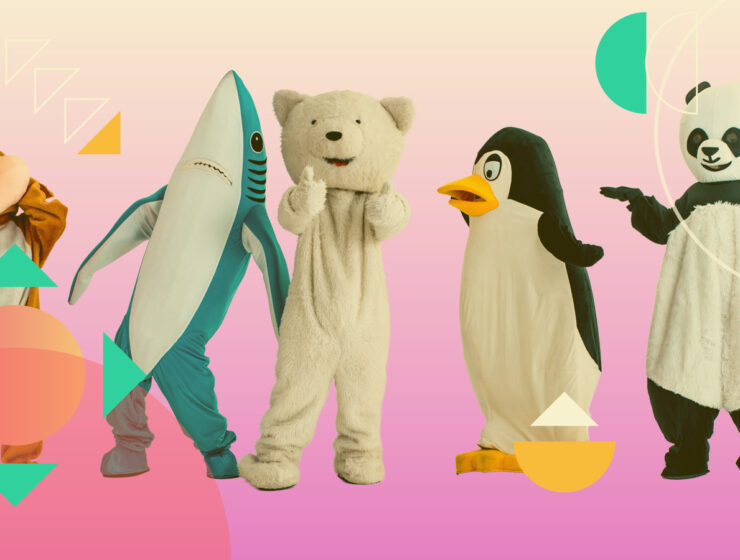
Discover how unique brand mascots and ambassadors build trust, boost recognition, and create lasting customer loyalty in modern marketing.

The most revealing aspect of this year’s festival may be the industry’s growing emphasis on execution.

A Q&A with Luke Judge, NED of Tangoo

By R. Larsson, Advertising Week As brands continue to refine and simplify their digital ecosystems,…