
By Mark Christou, Principal and Head Creative, CBX
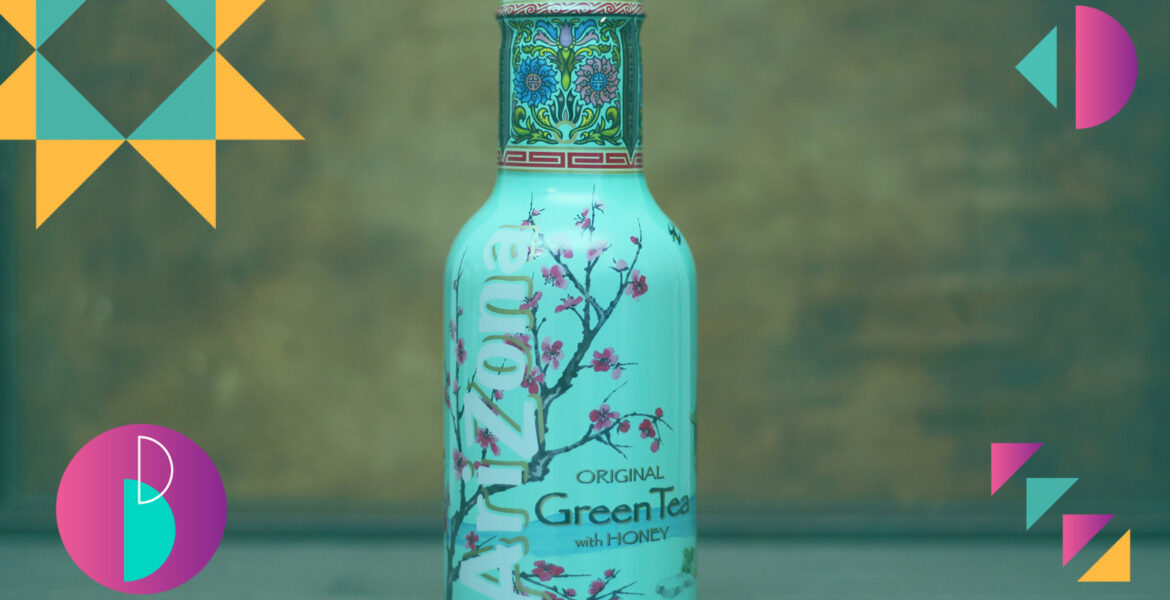
Since the economic chaos of 2020, nearly every company has raised their prices. Even Dollar Tree wasn’t spared. All to say that for the past couple of years, followers of AriZona Tea—the seemingly forever-popular beverage—have wondered if the famously affordable brand would follow suit. While the brand gets plenty of props in the design community for its iconic tallboy cans, they’re arguably equally well known for costing a cool $0.99. In fact this value—which the brand has long been loud and proud about—has proven so essential to the company’s ethos that they’ve made it part of the can’s design for over three decades. Years ago, they even opened a $0.99 pop-up shop to advertise their commitment to the value.
But reckonings come when reckonings must.
Last summer, AriZona made numerous headlines for contemplating the first ever price hike on their signature product. After floating the thought, CEO Don Vultaggio eventually clarified they planned to stick to $0.99—for now. If this last word holds, the company made the right decision: standing by the tried-and-true brand equity they’ve built for over 30 years, and counting on the brand loyalty they’ve earned every year since.
But for whatever reason, AriZona hasn’t done much work to make their commitment to $0.99 cans known to consumers—a missed opportunity, if ever there was one, unless they’re leaving ample room to reconsider down the line. And without any firmer statements, there’s no reason for fans to trust the cost will remain the same, or count on it for that matter.
Vultaggio has gone on the record stressing how important this low cost has been to the billion-dollar brand’s mission overall, emphasizing AriZona’s success and how they could afford to do it, as well as his respect for working class consumers. When asked if he’d go as far as saying he’d never raise the price. “I don’t know about never,” Vultaggio told a TODAY reporter. “But not in the foreseeable future.”
Barely a year later, the founder was audibly changing his tune. While he’d decided against a price hike weeks after initial reports, the issue will likely come up again. So, why play with consumer’s expectations like this? And what would it mean if a brand like AriZona turns their back on the kind of brand equity they’ve spent three decades building?
In many ways, AriZona’s price is their brand, and it’s one they’ve put a lifetime of sweat, brainpower, and money into advertising. At the end of the day, they are a convenience store beverage brand. While they’re one of the best-known, if they lose the brand equity built into their price, who’s to say they couldn’t lose everything? The beverage market is competitive. If another brand can afford to sell their cans for $0.99, they could easily come in and take the consumers AriZona lost to a price hike.
Let’s not forget that AriZona’s nostalgic southwestern look—which has made it something of an accessory—has also charmed enough aesthetes to result in fashion and beauty collaborations. But their now mysteriously absent $0.99 “sticker” is arguably as much a fixture of their cans as cherry blossoms and turquoise sunbursts. Branding isn’t just how something looks—it’s a reflection of how it fits into our lives.
Consumers have emotional connections to brands and advertising is generally designed to lean into this. While this means consumers can feel a sense of warmth toward a brand, this also means they can easily feel betrayed if said brand makes a decision that goes against their established equity. Customer trust can be fickle. Around the time of Vultaggio’s viral 2024 TODAY interview, the publication responded to impassioned social media complaints that said the cans weren’t even being sold for $0.99. While consumers attributed this to their local corner stores at the time, the impact was palpable. Further proof you must know and appreciate your audience.
In Vultaggio’s own words, “Make it taste good, make it look good and price it right,” is a stated mission if ever there was one. And straying from a longstated mission can hinder even the most iconic of designs.
This isn’t just an AriZona story. It’s a warning for every brand navigating inflation, loyalty, and cultural relevance. When trust is part of your equity, protecting it isn’t optional—it’s the work.