




Audio Is a Key Connection Point to Consumers, but It Remains Disconnected From the Rest of Media Planning

By: Amol Waishampayan, Co-founder, fullthrottle.ai
Most media plans today are built around channels, not consumers. As a result, they are often less efficient than they could be.
Audio is a clear example of this.
For years, it has been treated as a secondary channel. Valuable, but rarely central to planning. It is often introduced after video, display, and social budgets are already set, positioned as incremental reach rather than a core part of how campaigns are planned.
That model doesn’t reflect how consumers engage with media or how effective campaigns are built across channels. Audio is not experienced in isolation, and it should not be planned that way.
Audio has become one of the most important components of cross-platform media planning, not because it replaces other channels, but because it connects and complements them. As behavior fragments across devices, screens, and environments, audio offers something increasingly hard to replicate: consistent, high-attention access to audiences throughout the day.
The opportunity now is not just to include audio. It is to plan it more deliberately as part of the overall campaign.
The Shift: From Channel-Based Planning to Household-Based Planning
Cross-platform media planning usually means planning around each channel, including TV, digital, social, video, and audio. Each channel is optimized individually, with separate teams, datasets, and KPIs.
But consumers don’t experience media in channels. They move fluidly between them.
A single user is watching streaming TV in the evening, scrolling social during the day, and listening to podcasts or music while commuting or working.
Audio plays a unique role in this ecosystem because it fills the audience gaps between other channels. It reaches consumers in moments without screens when attention is still available.
Audio extends campaigns to high-value moments that would otherwise be unreachable. As media consumption fragments and signal loss increases across environments, audio has become one of the most reliable ways to reach engaged audiences consistently throughout the day, especially at times when others can’t: in the car, in the gym, or on a walk. At the same time, it also reinforces and extends the impact of channels like CTV and video.
The Planning Gap: Audio Is Still Siloed
Despite its interconnected role in a consumer’s day, audio is still treated as a standalone line item in most media plans.
This creates inefficiencies:
- Missed opportunities to coordinate messaging across channels
- Redundant or misaligned frequency
- Underutilization of audio’s ability to extend reach and reinforce impact
- Limited visibility into how audio contributes to overall campaign performance
In many cases, audio is planned last, used to round out a plan rather than shape it.
That approach underestimates its role in overall campaign performance.
What Integrating Audio More Effectively Requires
Integrating audio more effectively is not about adding more budget. It requires changing how campaigns are built.
Instead of planning channels in isolation, audio needs to be part of how reach, frequency, and messaging are coordinated across environments. That means aligning audio with video, CTV, and digital not just in targeting, but in sequencing, exposure, and measurement.
When used this way, audio does more than extend campaigns. It helps stabilize them. It fills gaps between high-impact moments, reduces inefficient frequency in other channels, and maintains continuity as consumers move across platforms.
The difference is structural. Campaigns that integrate audio from the start are more coordinated, more efficient, and better aligned with how consumers actually engage with media. Marketers who plan this way will outperform those who continue to treat audio as an afterthought.
You May Also Like
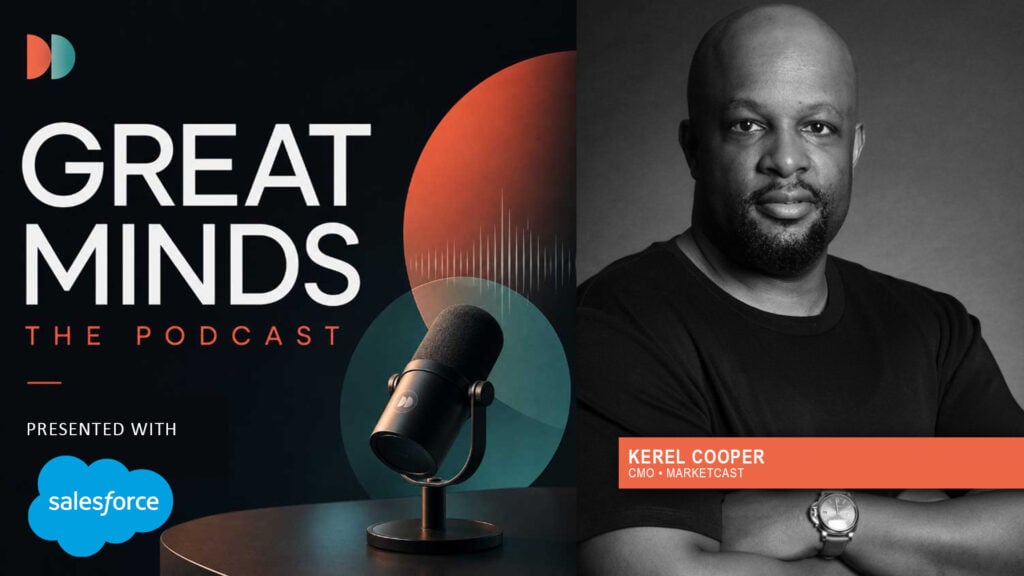
What the Dashboard Can’t Tell You About People Featuring Kerel Cooper of MarketCast
Joining us is Kerel Cooper, Chief Marketing Officer at MarketCast. Kerel shares why he believes marketers can learn from the strongest consumer brands and how human judgment should guide the use of AI in creative work.
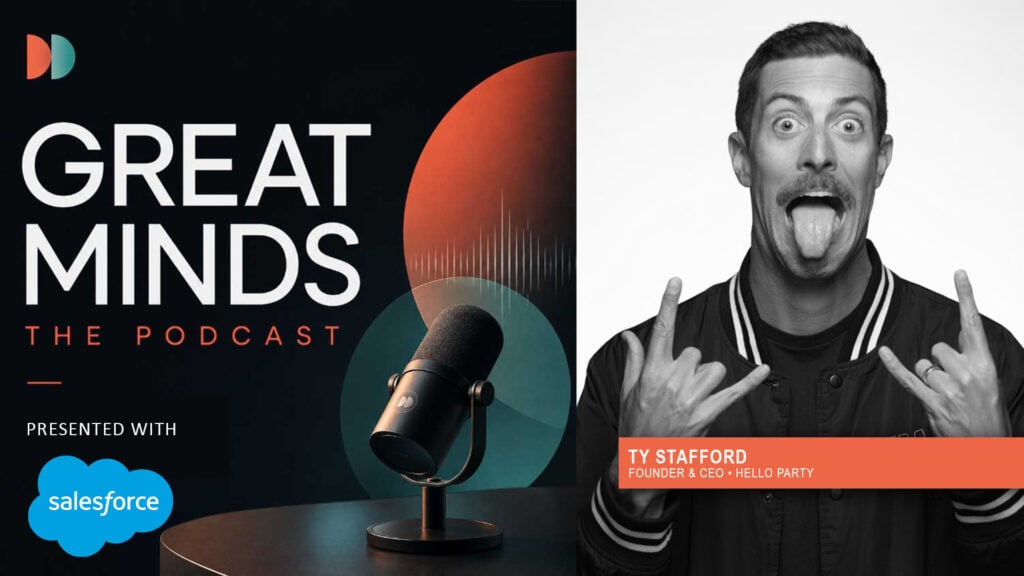
Would You Share It If You Didn’t Work Here? Featuring Ty Stafford of Hello Party
Joining us is Ty Stafford, Founder and CEO of Hello Party, whose experience spans making YouTube videos in his dorm room and working at Red Bull Media House.

From the Conference Floor to the Boardroom: How Kindle Scribe Is Changing the Way Executives Capture Ideas
At Advertising Week New York 2026, Amazon’s Kindle Scribe offers a glimpse into how business leaders are combining the familiarity of handwritten notes with the convenience of digital technology to make the most of an increasingly demanding professional world.