Creating a world-class client experience isn’t a methodology or a set of processes. It’s about showing a genuine interest in your clients every step of the way.


Presented by

Creating a world-class client experience isn’t a methodology or a set of processes. It’s about showing a genuine interest in your clients every step of the way.

Apple didn’t succeed in OOH despite constraints. It succeeded because it embraced them.
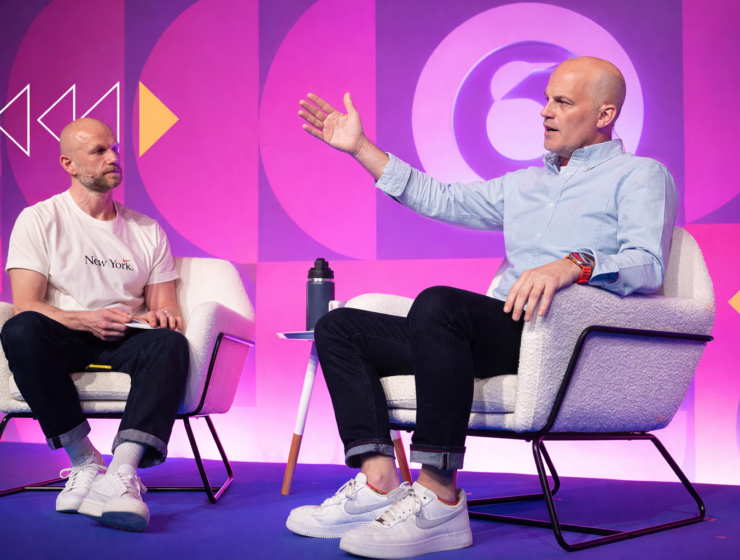
James Cornish, senior VP of international sales and partnerships at Vevo, began this session with a presentation on how brands can leverage global moments across music, sport, and tech.






The real question isn’t whether brands should embrace unhinged marketing. It’s how far they’re willing to go.
In an era dominated by endless short-form content streams, algorithm-driven feeds and AI-generated matter, people aren’t just tired – they’re tuning out.

We spoke with industry experts to explore how sensory marketing can breathe new life into customer interactions.

An always-on content strategy—which reflects a brand’s values—is key toward ensuring you stay connected with audiences so they feel top-of-mind.

By deepening their understanding of youth passions and fandoms, marketers can foster engagement that is not only meaningful in the present but also lays the groundwork for future brand affinity.

Shifting from traditional lead generation to genuinely influencing revenue isn’t just beneficial; it’s essential for marketers today.

Confidence isn’t just a nice-to-have right now—it’s essential. And brands and their marketers are at the heart of rebuilding it. It’s more than just putting out the right messaging.

As experiential marketing evolves, the brands that will stand out are those that treat taste not as an extra, but as a foundational element of storytelling.

With the pressure on new CEO Fernandez to improve performance, I wonder if increasing creator/influencer marketing is the right tactic for the company today.

For many brands, the real challenge is balancing the desire to disrupt with the need to be relevant. Disruption for its own sake rarely leads to long-term success.

The best agencies aren’t just winning pitches. They’re building trust. They’re engaging clients long before a formal process begins, proving their value beyond the work.

Combining agility with strategic vision, placing an equal emphasis on long-term vision and short-term adaptability, and integrating the best external talent available – these are the keys to success for founder-led businesses.