Consumers understand AI considerably better than they did a year ago and are acting on that understanding with their spending.


Presented by

Consumers understand AI considerably better than they did a year ago and are acting on that understanding with their spending.

The brands that succeed here don’t win because they wave a flag. They win because they understand the people behind it.

The instinct from most marketing teams is to add more channels, more targeting, more impressions, purely for the sake of doing more.






The success of the genre confirms that 50+ isn’t just a consumer group worth chasing — it’s one that the smartest brands can’t afford to let get away.

In a market pressured by tariffs, supply chain constraints, and rising consumer expectations, auto brands cannot afford inefficiency in their media strategies.
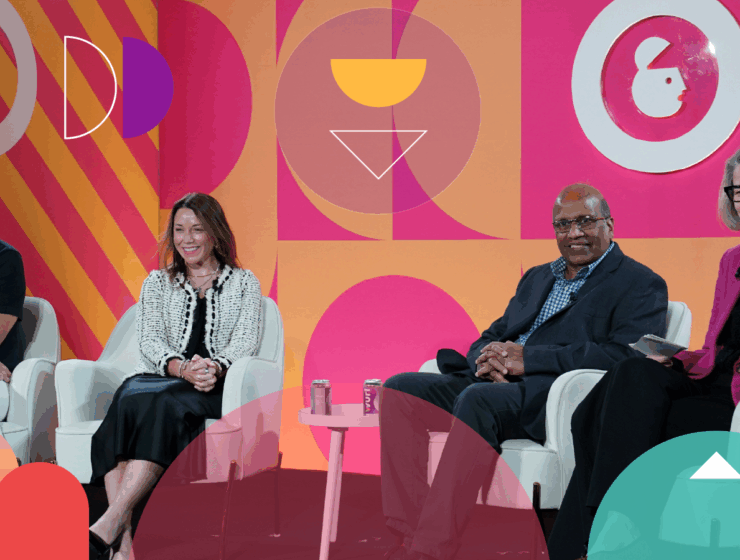
Tina DeSarno, Chief IA Officer at MarketCast, kicked off the panel by setting the scene and describing the current issues marketers face.
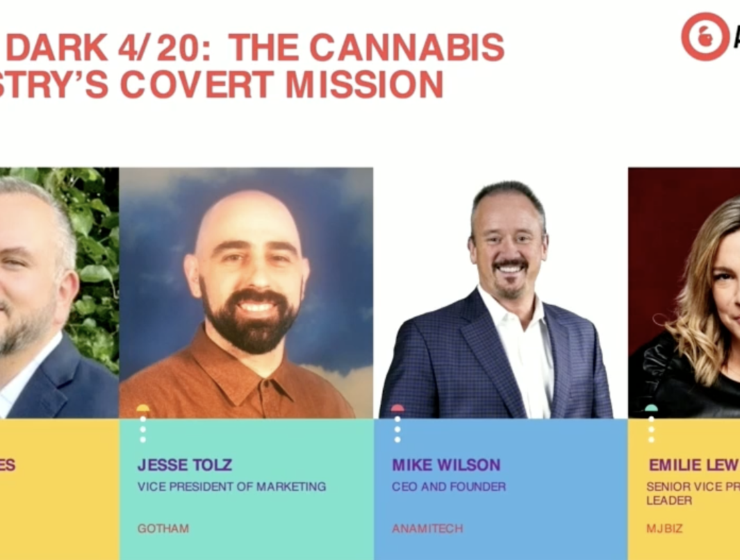
Picture this: You’ve just landed your dream job.
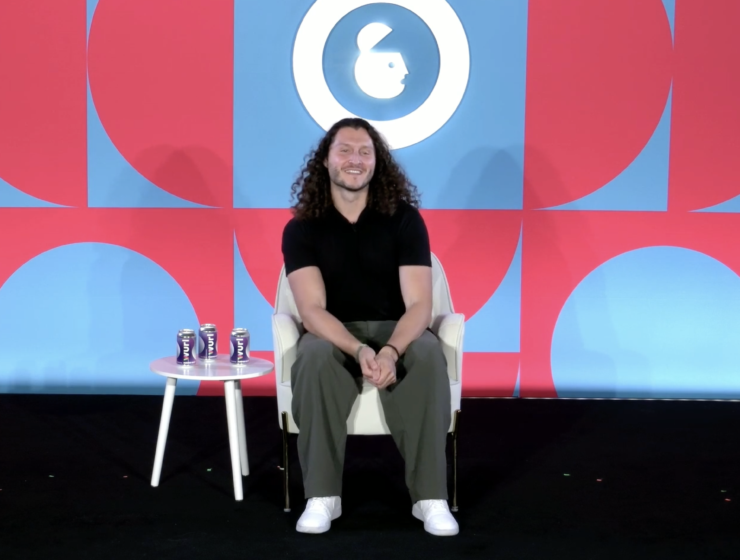
In a world where negativity often dominates our feeds, a quiet revolution is underway—led by creators who use their platforms to uplift, heal, and inspire.
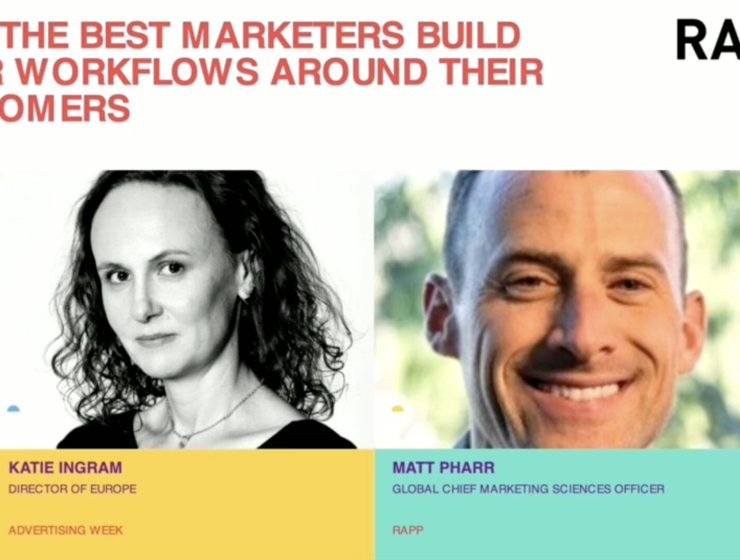
What separates good marketers from great ones? It’s not just data, creativity, or even strategy — it’s an unmatched understanding of their customers.
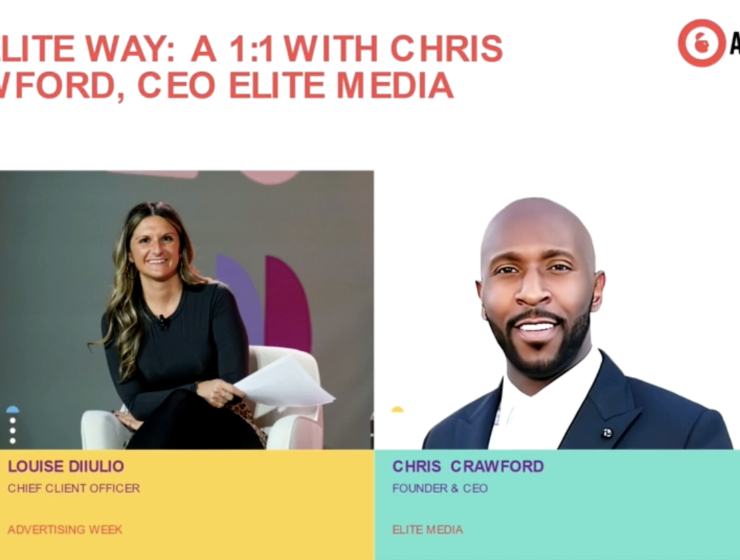
Born in a Harlem apartment, now one of the Inc. 5000’s fastest-growing companies—Elite Media flips the script on what a creative agency can be.
Gaming is no longer a niche pastime, it’s a cultural crossroads where music, sport, entertainment, and storytelling collide.
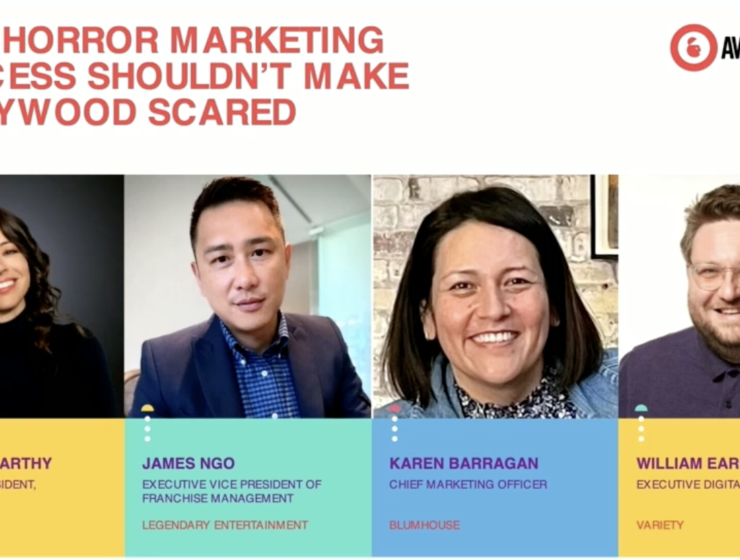
From cult indies to bigger-budget titles, Horror flicks tout a ferociously engaged fandom – reliably making it out to the theaters to prove that being terrified is a dish best served as a community experience.
The landscape of major life decisions has shifted dramatically.
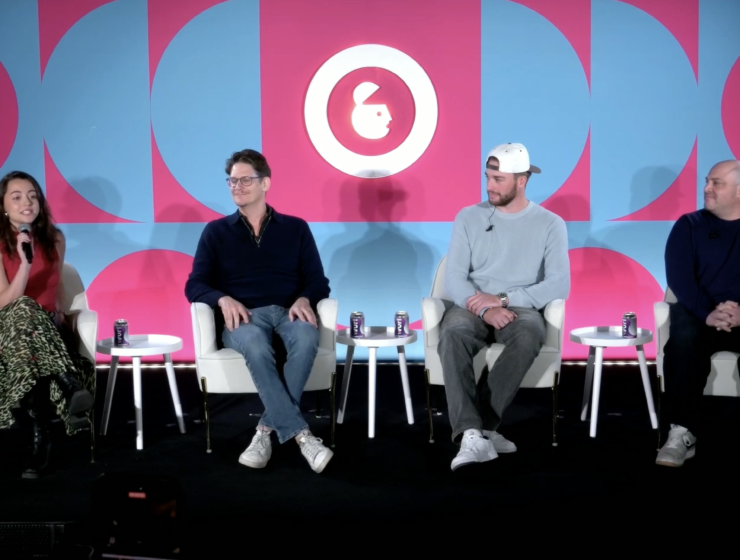
Paramount Pictures has made influencer marketing central to its theatrical strategy, using creators to spark cultural moments and drive box office success.
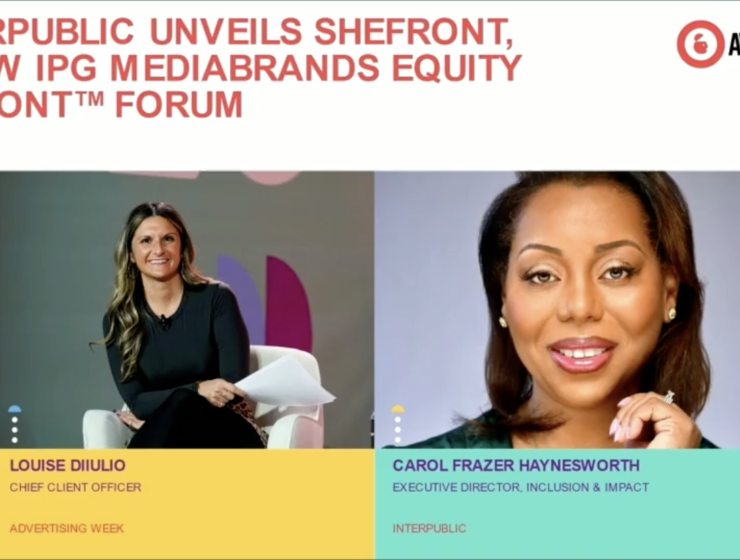
In this SheFront Interview, attendees will hear from Carol Haynsworth, Global Chair of Interpublic’s Women’s Leadership Network and leader of a groundbreaking new initiative.