Consumers understand AI considerably better than they did a year ago and are acting on that understanding with their spending.


Presented by

Consumers understand AI considerably better than they did a year ago and are acting on that understanding with their spending.

The brands that succeed here don’t win because they wave a flag. They win because they understand the people behind it.

The instinct from most marketing teams is to add more channels, more targeting, more impressions, purely for the sake of doing more.






Taking the helm of the marketing department has never been for the faint of heart, but the opportunity to drive change and deliver growth is a unique position to be in. Not everyone in the C-suite can say as much.

The “always-on mindset” fosters a proactive approach to content creation, keeping brands in a perpetual state of readiness to connect with their audience.

Just when you think you’ve won them over, something new pops up to divert those wandering eyes. However, one medium has emerged as a powerful tool to cut through the noise and captivate audiences: video advertising.
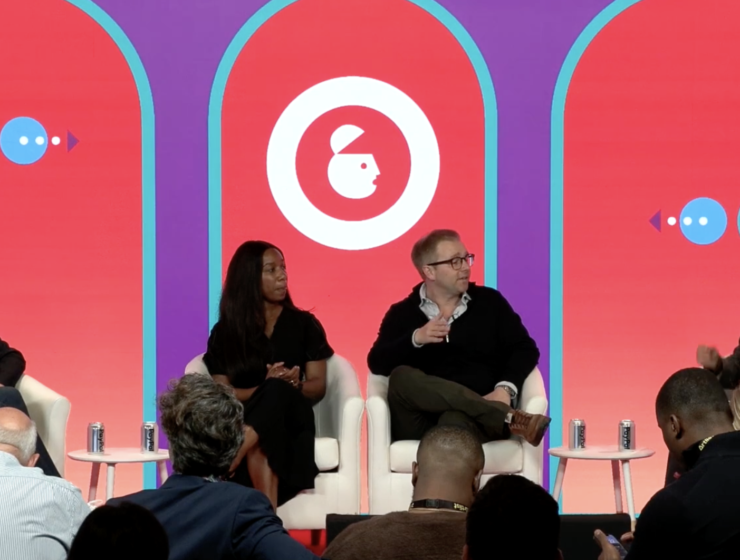
Spotify is always in tune with what their users love now, and what they’re going to love next. It’s that understanding and engagement that makes Spotify essential to fans, and brands too. Spotify Advertising is now evolving to offer more automated opportunities that make it easier and more efficient for advertisers to reach highly engaged audiences and measure impact. Spotify will unwrap this strategy, and discuss the trends bringing together artists, fans, and brands today.

By Ainsley Lawrence Advertising is a dynamic field, and your clients reflect that. When building…

Thinking creatively about how your business intersects with or shares the spirit of another is part of what makes joining forces such an intriguing opportunity.

The quest to achieve greater governance, efficiency and transparency is prompting advertisers to bring media operations in-house, and the good news is that now they have the tools to do so thanks to cloud technologies.

Many brands think they know how their agency partners work, and often equate more team members recruited for their account as an advantage to their business. However, this isn’t always the case.
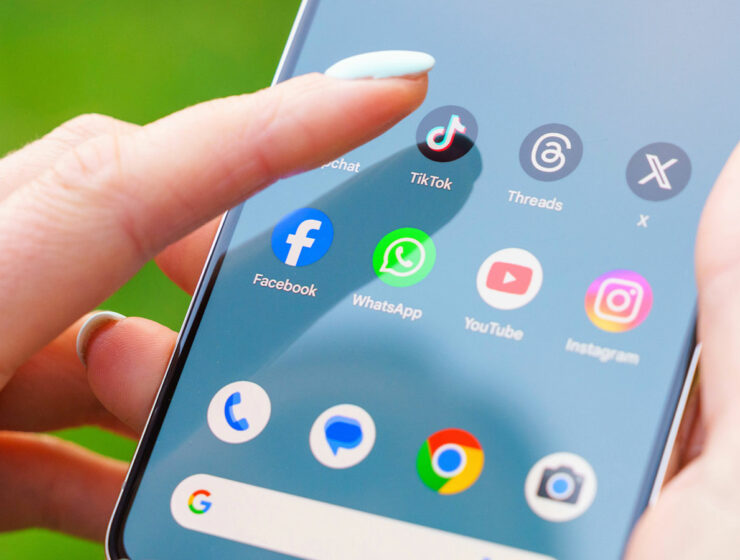
The rise of TikTok represents a seismic shift in the way consumers engage with content, challenging traditional media outlets to adapt or risk becoming obsolete.

You’re not going to change the world so just entertain people. Because if you get your celebrity endorsement wrong, then boy you have wasted a lot of money.

Wherever they go, women are an asset to the companies they help build. They naturally bring a fresh, innovative perspective, and have a deeper and more empathetic understanding of diverse audiences.

The AI tools of ad platforms won’t become worthless; they give marketers an understanding of what the individual ad channel can see—but they certainly don’t give the full picture.