Creative Wins: Brands That Value Creativity and Innovation Outlive The Competition

By Norm Shearer, Partner/Chief Creative Officer, Cactus, Denver, CO
Years ago when I was at Art Center in LA and putting the finishing touches on my portfolio, I was lucky enough to be a part of a small group of students that got to spend the day with ad legend Lee Clow at Chiat/Day. At the time I visited, the agency had just launched the Apple “Think Different” campaign and for this art student it was an incredible experience to walk the hallways and sit with the creatives literally working on the ads that today we revere as among the best the industry has ever created.
As I was leaving, Lee handed me a Chiat/Day-produced magazine filled with the agency’s philosophies, vision, and lore. Inside was a graphic and a quote from him that said simply, “99 percent of advertising sucks, we’re the 1 percent.”
I think about that often because the value of good creativity feels under threat, whether from AI, the rise in popularity around retail media networks, or just plain-ol’ clients undervaluing creative people. For further evidence look no further than the current Writers Guild strike.
The reality is that a good creative agency is paramount for brands that want to be in that 1 percent that not just survives, but thrives.
Why? Because a good agency partner inspires brands to be courageous, to be unexpected, and to use creativity as that last fair advantage to beat out the other 99 percent of the field.
A smart creative campaign that connects with the beliefs and behavior of consumers usually correlates with brands that become dominant in their category, visible among competitors, and well-liked by fans on social media, all leading to increased sales.
Economic uncertainties and the promise of the ‘sure thing’ data/ad-tech hawkers promise may be tempting, but my completely biased advice would be to hire, or rehire, a creative agency. Especially one that will care enough to argue and debate the creative opportunities that lie within your brand, giving it the edge it needs to dominate in any financial environment.
That part about arguing is not hyperbole, it’s something I’ve seen throughout my professional career. Call me old-fashioned, but this type of thoughtful, smart, and passionate ‘give a shit’ work ethic that goes into creative work for advertising, content, and marketing is what allows certain brands to win time and again.
Regardless of pandemics, economic shifts, cultural woes, or even the robots coming in to take over — human beings collaborating to be creative and innovative with ideas on how to connect brands to people who choose to buy into them is one of the most important investments a brand should use to succeed and thrive.
And to bring this back to another advertising legend, Bill Bernbach, who once called creativity ‘the last unfair advantage brands have today.’ I like that because it confirms that even 50-plus years ago, one of our industry’s gurus realized the extent to which brands had become commoditized, rendering creativity the last remaining marketplace differentiator.
Bottom line: Creativity wins for brands. Let’s value it more.
You May Also Like
The Power of the Transaction
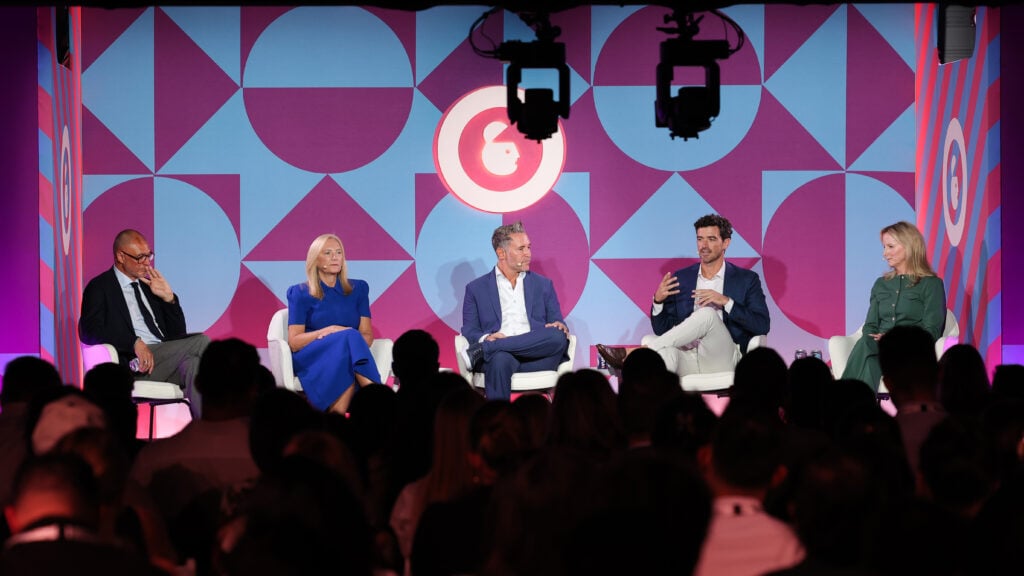
A click can suggest interest, but a transaction shows where someone chose to spend. In our Advertising Week New York session, “The Power of the Transaction,” the leaders behind Citi Commerce Media discussed how purchasing data can help brands identify audiences, deliver relevant offers and assess what happens after an advertisement.

How to Find Authentic Experts in a World of Ai-Generated Content
As AI-generated content floods the internet, how do we know who’s actually an expert anymore? Why businesses need better ways to distinguish genuine human expertise from AI-generated noise.

Brands Can Scale Creator Content Without Sacrificing Authenticity
With platforms and technology providers promising easier discovery, faster campaign setup, and more efficient distribution, creator marketing is starting to look more like the rest of digital advertising. For brands managing a growing number of creator relationships and assets, the appeal is obvious. But it also raises a reasonable concern.