




Designing Emotional Architecture for the Next Era of Themed Entertainment
By Andy Dauterman, Director of Business Development, ASV
Key Takeaways
- Fabrication is becoming a central force in themed entertainment and plays a growing role in turning story concepts into physical environments that audiences can see, touch, and remember.
- Theme park-level immersion is increasingly shaping expectations at conventions, exhibitions, and brand activations, and the standard for storytelling and engagement continues to rise.
- Scent remains one of the most overlooked tools in experiential design, even though smell plays a powerful role in memory and emotional connection.
- Early collaboration between designers, technologists, and fabricators helps ensure immersive environments function smoothly while staying true to the story being told.
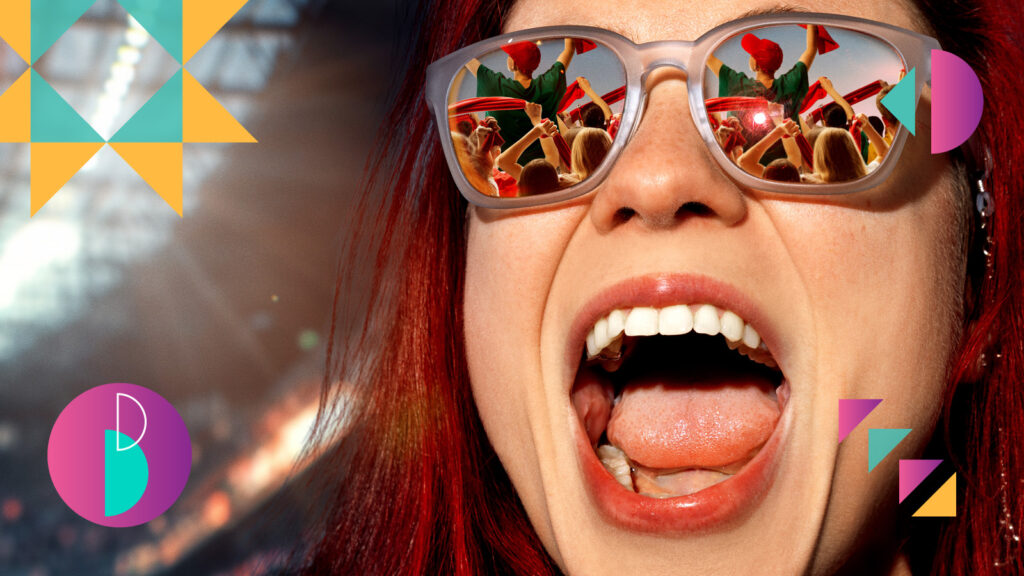
Fandom has outgrown the screen. What once lived in message boards and livestream chats now gathers in physical spaces, expecting worlds that feel as vivid as the stories that inspired them. In this environment, fabrication in themed entertainment is taking on a new role. It is becoming emotional architecture, the discipline of shaping steel, foam, light, texture, and even scent into places that audiences carry with them long after they leave.
For brand and experience leaders, the shift is clear. Guests arrive fluent in immersive design. They have walked through cinematic lands, ridden story-driven attractions, and interacted with responsive environments. When they step into a convention hall, stadium, museum, or resort activation, they expect that same depth. Meeting that expectation requires more than scenic build-outs. It calls for environments engineered to support narrative, technology, and memory all at once.
Fabrication as the backbone of immersive storytelling
The role of fabrication has expanded alongside advances in interactive technology. Attractions now incorporate projection mapping, embedded lighting, animatronics, and responsive systems that invite audience participation. Scenic elements must accommodate wiring, airflow, mounting points, and maintenance access without disrupting the illusion.
That complexity has redefined immersive fabrication. Fabricators play an active role from the earliest creative stages, shaping environments where technology integration, durability, and aesthetic cohesion work in harmony. Serviceability and routine maintenance are built into the structure from day one. A mine shaft wall may conceal steel framing and access panels. A carved logo may double as a housing unit for lighting and atmospheric effects. The audience sees story. Behind the surface sits engineering that keeps the story alive.
This convergence of scenic craft and technical foresight is what turns fabrication into infrastructure for imagination.
Where physical space still holds untapped emotional power
Most experiential environments engage sight, sound, and touch as a baseline. Food and beverage activations increasingly explore taste as well. Yet one sense remains underused across many installations: smell.
The emotional impact of scent is well documented in both neuroscience and marketing research. Humans form strong memory associations through olfactory cues. A trace of buttery popcorn can transport someone back to a childhood movie theater. The aroma of baked sugar cookies can summon a specific kitchen table and a familiar voice. Those associations are fast, involuntary, and deeply personal.
Some themed environments have embraced this. Guests riding Soarin’ Over California at Disney California Adventure often recall the scent of oranges released during the orchard scene. Spas and VIP lounges use lavender and other calming fragrances to shape mood. Even so, scent marketing in themed entertainment remains in its early chapters.
As brands seek deeper engagement, scent offers a direct line to memory formation and recall. It adds dimensionality to space, reinforcing narrative intent in a way visuals alone cannot achieve. For experience leaders designing for loyalty and long-term brand affinity, this layer deserves thoughtful consideration.
Translating nostalgia, belonging, and awe into built form
Abstract emotions become tangible through material choices, scale, lighting, and texture. In our fabrication work, the translation process begins with a clear narrative objective and moves through sculptural and technical decisions that support that goal.
In our collaboration with the San Francisco 49ers, the objective centered on nostalgia and regional identity. We designed and fabricated a tunnel exit that echoed California’s Gold Rush heritage. A mine entrance framed the players’ introduction, constructed with a steel structure and hard-coated foam sculpted and painted to resemble aged wood. Rusted scenic elements enhanced authenticity. Two illuminated 49ers logos, carved to look like rock, incorporated CO2 air blasts that erupted as players ran through. The effect was theatrical, but it was also symbolic. History, pride, and team identity converged in a brief yet powerful ritual moment.
At MapleCon, we helped translate a digital gaming community’s shared world into physical form. A three-dimensional tree, central to the game’s narrative, served as a sculptural anchor for the event. Fans who had previously experienced the environment only through screens could gather around a tangible symbol of their collective story. In that moment, emotional architecture in themed spaces transformed a convention floor into a place of belonging.
Museum environments offer another lens. For Tiana’s Joyful Celebration at the Indianapolis Children’s Museum, our team fabricated two exhibits centered on joy, music, and play. A musical walkthrough featured bayou basins with plants and lily pads, firefly lighting, vines, and cypress trees. A central tunnel included an overhead display and an inlaid frog diorama. Nearby, a large interactive gumbo pot invited children to insert illuminated acrylic pegs, surrounded by oversized vegetables and graphic panels. The materials were durable and child-friendly, yet the storytelling remained front and center. Awe and delight emerged through scale, color, and interaction.
In hospitality, we have applied similar principles to seasonal transformations, such as a JW Marriott holiday theme. Guests enter expecting comfort and familiarity. Through oversized décor, layered lighting, and textured scenic elements that feel both festive and refined, the physical environment sets the emotional tone before a single word is spoken.
Even large-scale infrastructure projects contribute to this emotional framework. At Carowinds Amusement Park, we fabricated a water tank that supports operational needs while integrating seamlessly into the park’s themed landscape. Utility becomes part of the narrative rather than a visual interruption.
How permanent attractions are influencing fan-driven experiences
Fan conventions and brand exhibitions increasingly mirror the standards set by permanent theme park attractions. Audiences who regularly visit Disneyland or Universal Studios bring those expectations with them to temporary events.
In many cases, permanent destinations are shaping the design language of conventions rather than the other way around. A notable example appeared at CES 2019, where Google created a temporary dark ride to showcase Google Assistant. The experience included themed ride vehicles, animatronics, interactive elements, and a cohesive storyline, all within a convention setting. Guests encountered a theme park–style attraction on a trade show floor.
This blending of formats signals an important shift. Semi-permanent and pop-up environments must now deliver narrative depth, technical polish, and sensory engagement comparable to established attractions. Fabrication partners who understand those benchmarks are better positioned to support brand teams navigating this elevated landscape.
Lessons shaping the next chapter of fabrication
Projects across sports, gaming, hospitality, museums, and amusement parks have reinforced several guiding principles.
- Collaboration between creative studios and fabricators must begin early. Narrative intent should inform structural decisions from the outset. When scenic artists, engineers, and technologists align around story, the resulting environment feels cohesive rather than layered in stages.
- Investment in in-house capabilities expands what is possible. Advancements such as large-scale 3D printing, vacuum forming, and specialized scenic finishing allow teams to prototype quickly and refine details before installation. Artistic growth and technical infrastructure move hand in hand.
- Community matters. Engagement with industry organizations such as TEA and IAAPA fosters knowledge exchange and keeps fabrication aligned with evolving standards in themed entertainment.
For ASV Experiential, these lessons have guided the expansion of scenic fabrication services under one roof, encompassing wood and metal, paint, and large-format printing. The goal is straightforward: deliver environments where craft, engineering, and narrative intention reinforce one another at every level.
The future belongs to spaces people can feel
As fandoms continue to mature into cultural ecosystems, physical environments will carry greater emotional weight. Guests want places that validate their passions, reflect their identities, and create moments worth revisiting in memory.
Fabrication in themed entertainment now sits at the center of that ambition. Through thoughtful integration of technology, material innovation, and sensory design, spaces become living extensions of story and community. For brands and experience leaders planning the next generation of attractions, conventions, and activations, the opportunity is clear.
Build for memory. Build for meaning. Create environments audiences carry with them long after the lights go down.
Andy Dauterman is the Director of Business Development for ASV, where he helps lead scenic fabrication and immersive build projects across sports, entertainment, hospitality, and themed environments. With nearly 20 years in the amusement and attractions industry, he works closely with brands, agencies, and creative partners to translate story-driven concepts into large-scale physical experiences. His work focuses on aligning fabrication strategy, creative vision, and operational execution to deliver environments that engage audiences and bring narrative worlds to life.
You May Also Like
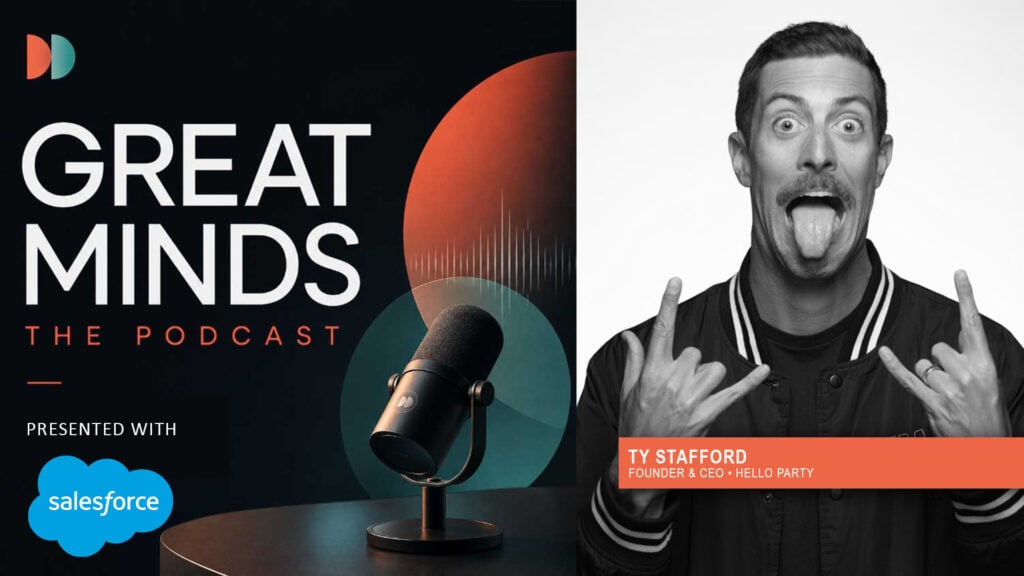
Would You Share It If You Didn’t Work Here? Featuring Ty Stafford of Hello Party
Joining us is Ty Stafford, Founder and CEO of Hello Party, whose experience spans making YouTube videos in his dorm room and working at Red Bull Media House.
From the Conference Floor to the Boardroom: How Kindle Scribe Is Changing the Way Executives Capture Ideas
At Advertising Week New York 2026, Amazon’s Kindle Scribe offers a glimpse into how business leaders are combining the familiarity of handwritten notes with the convenience of digital technology to make the most of an increasingly demanding professional world.
What Will the Next Advertising Dollar Deliver? Featuring Jake LeDuke and Khushboo Beniwal of Databricks
Joining us are Jake LeDuke and Khushboo Beniwal, Industry Go-to-Market Leaders for Media, Entertainment, and Advertising at Databricks.