




Kellogg’s Toys Are Back, Because Marketing as We Knew It Is Gone
Ivan Kayser, CEO of brand consultancy, Redscout
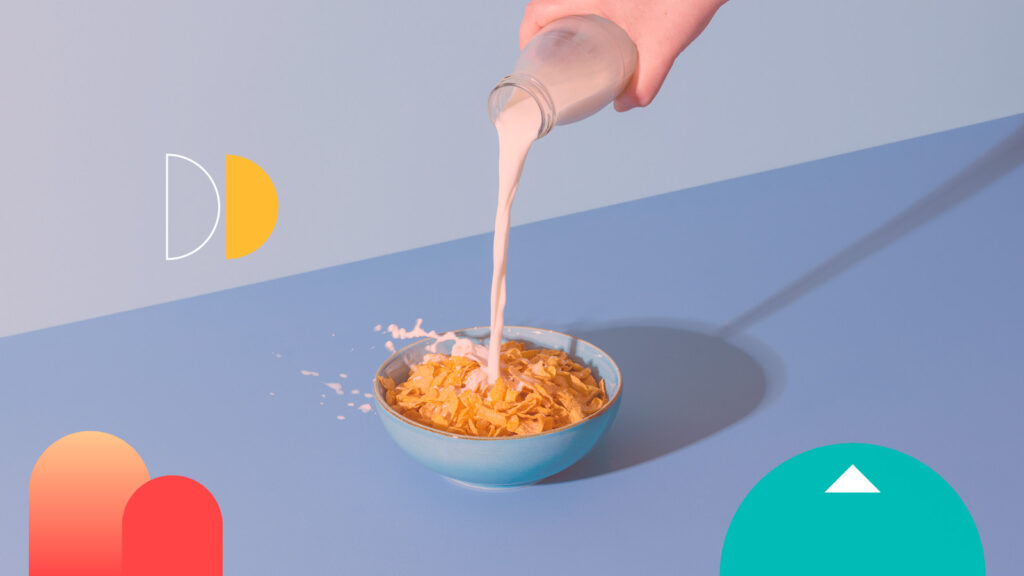
The nostalgia trend continues to play out in marketing, as evidenced by Kellogg’s announcing “Toys Back in the Box,” for Disney’s “Toy Story” franchise. However, in my opinion, it has nothing to do with going retro. Instead, it’s a necessary adaptation to the changing marketing landscape. The traditional general brand awareness created in the upper funnel translating into purchases at the moment of choice – the bread and butter of CPG marketing for 100 years (soap operas were invented in the 1930s)—is no longer working.
Why? A few factors:
One, attention is fragmented (fragmented audiences and fragmented attention), making it harder to reliably build mass awareness.
Two, the path between ads and transactions is being shortcut, particularly on social media or through influencer marketing.Three, the consumer economy has matured, particularly in CPG, and people buy brands for identity, function and values, not just because they are familiar.
The in-pack toy is a great old, new idea. It used to focus on user experience (delightful surprise) and driving repeat business (collect them all), but these were secondary goals. Now, the focus is on creating a compelling reason to buy in the first place that can compete in a much sharper competitive landscape than before. McDonald’s is doing the same with drops and collabs; not just because consumers like it, but because habitual purchase is eroding and much stronger drivers to take action.
So, is Kellogg’s bringing back toys a good idea? It’s necessary. Brand awareness is no longer enough; to compete, brands need sharp, urgent product propositions. The challenge is that the appeal of collabs, surprises or collectibles relies on novelty, and novelty gets old.
The balance of power has completely shifted from the cereal / CPG brands to the Entertainment IP brands. In the 80s and 90s, cereal brands were IP — Tony the Tiger, the Trix Rabbit, and Cap’n Crunch. Then deregulation ended, health scrutiny mounted, streaming fragmented the shared media moment, and cereal lost the cultural gravity it had generated on its own. The reversal is playing out in real-time: Kellogg’s is banking on Netflix’s Wednesday to drive growth, paying to license cultural relevance it once created for free. The category that invented the branded character now rents them: cereal went from building worlds to bidding on them.
In the end, my take on Kellogg’s strategy is that it is a great idea for this moment in marketing, authentic to the brands, and offers a great creative canvas, but Kellogg’s should start planning what’s next because these strategies have a shorter shelf life than the products they are helping sell.
You May Also Like
How to Find Authentic Experts in a World of Ai-Generated Content
As AI-generated content floods the internet, how do we know who’s actually an expert anymore? Why businesses need better ways to distinguish genuine human expertise from AI-generated noise.

Brands Can Scale Creator Content Without Sacrificing Authenticity
With platforms and technology providers promising easier discovery, faster campaign setup, and more efficient distribution, creator marketing is starting to look more like the rest of digital advertising. For brands managing a growing number of creator relationships and assets, the appeal is obvious. But it also raises a reasonable concern.
Design Is Britain’s Unsung Hero. It’s Time We Said So.
The UK design economy is worth £136.7bn and growing almost twice as fast as the wider economy. So why are we still so bad at recognising its value?