




Media Isn’t Fragmenting the Way We Think. And That Changes Everything
By Chris Wallrapp, CEO, Fitzco
For years, we’ve been told the same thing. Media is fragmenting. More platforms. More channels. More choice. And on the surface, that’s true. But culture is fragmenting faster than ever. Politically. Economically. Socially.
And the infrastructure delivering that culture is consolidating. Magna estimates that more than 80% of digital media is effectively controlled by just three players: Google, Meta and Amazon. We’re more divided than ever, we’re just being divided in the same places. The same feeds. The same algorithms. The same systems deciding what shows up and what doesn’t. And that’s the part we’re not talking about enough.
That’s not fragmentation. That’s concentration with a better interface. The risk is that marketers are treating platform data as complete.
Stop Letting The System Define Success
There was a time when great marketing came down to smart allocation. Right message. Right place. Right time. Today, the real job is interpreting systems.
We used to believe we could map the full journey with multi-touch attribution. That world is gone. Privacy changes, signal loss and platform guardrails have made that level of visibility largely impossible.
So we’ve replaced real understanding with whatever the platform tells us is true. Each system reports performance within its own ecosystem, so we’re measuring with greater precision than we actually understand.
What brands need to ask is what’s actually driving growth? How much of it exists outside the systems we’re optimizing?
Performance Isn’t the Same as Growth
Take a typical QSR scenario. A brand leans into a major platform. Performance looks strong. Efficient conversions. Clean reporting. Traffic is up. So investment increases.
But when you step outside of it and layer in store-level data, regional demand, and timing, a different picture starts to emerge. Some of that lift was already happening. Certain regions respond differently, even with similar investment. Channels that looked less efficient were actually bringing in new customers.
Nothing was broken. The platform did exactly what it was designed to do. It found the fastest path to conversion. But that isn’t always the path to growth. Platforms optimize for what they can see. When they can’t see something, they can’t value, and that’s where growth slips away.
Brands need to build a way to connect signals that platforms can’t value.
Redefining Performance
We’ve seen this pattern before. Streaming promised infinite choice, now a handful of platforms decide what gets made. Retail went digital, and a few players shape the entire ecosystem. Social opened everything up, then rewrote how attention works.
Media is following that same path. Fragmented demand with centralized control. We didn’t just centralize media: We centralized truth.
The opportunity isn’t to fight the system. It’s to understand it so deeply that the ease of the interface never replaces the rigor of the strategy. We need a shift toward building a point of view outside the system, not another dashboard. A way to connect signals that the platforms can’t see or choose not to.
That starts with redefining performance not as perceived efficiency, but as incrementality. Let’s look at growth that wouldn’t have existed without our intervention. Brands need to go after the next dollar, not just the easy one.
The Bottom Line
The connection between marketing and real business outcomes is closer than ever. But it does require a mindset shift towards looking at what actually works versus what we are
It requires a proprietary understanding of the customer, grounded in real-world behavior, CRM data, and market dynamics. A view that comes from outside the walled gardens, not from inside them.
This raises the bar on creativity. In a world of automated bidding and black box optimization, the algorithm can’t decide what makes people feel something. That’s the last true advantage, and the one we’ve undervalued for too long.
In a world where everything is optimized, automated, and increasingly controlled, the advantage doesn’t go to the brands with the best tools. It goes to those who know when to look beyond them. We can’t just buy the algorithm. We have to layer human intuition over the machine, interpreting the signals platforms can’t see to drive the growth they can’t promise.
You May Also Like

When AI Writes, Who Owns the Thought?
AI can give us more information to think with. The danger comes when we use it to remove the need to do the thinking ourselves.
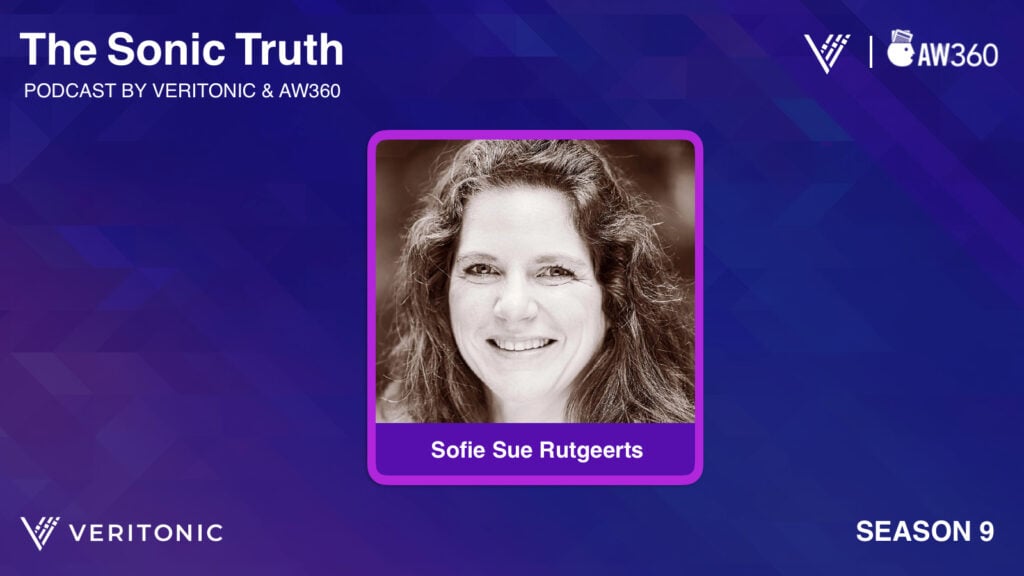
Why AI Won’t Be the Differentiator: Sofie Sue Rutgeerts on Psychology, Media, and Brand Building
Consumer psychologist Sofie Sue Rutgeerts joins The Sonic Truth to explore why understanding why people behave the way they do matters more than simply knowing who they are.
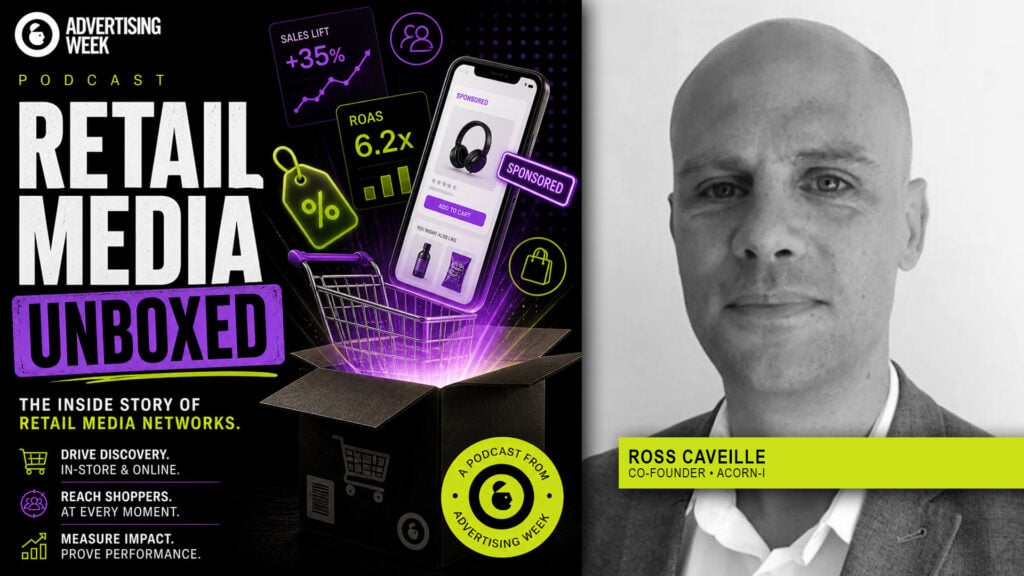
Beyond the AI Hype: How Agents Are Actually Changing Commerce, with Ross Caveille
Agentic commerce may be one of the industry’s favorite new buzzwords, but beneath the hype is a much more practical transformation already taking place across retail media and e-commerce.