




Why the Future of Media is Sound-On and What It Means for Brands
By Helen Myers, Advertising Week Correspondent
The sound-off era is over. Jenny Haggard, the Global Head of Thought Leadership at Spotify, gave an introduction into how audio innovations are altering the media landscape.
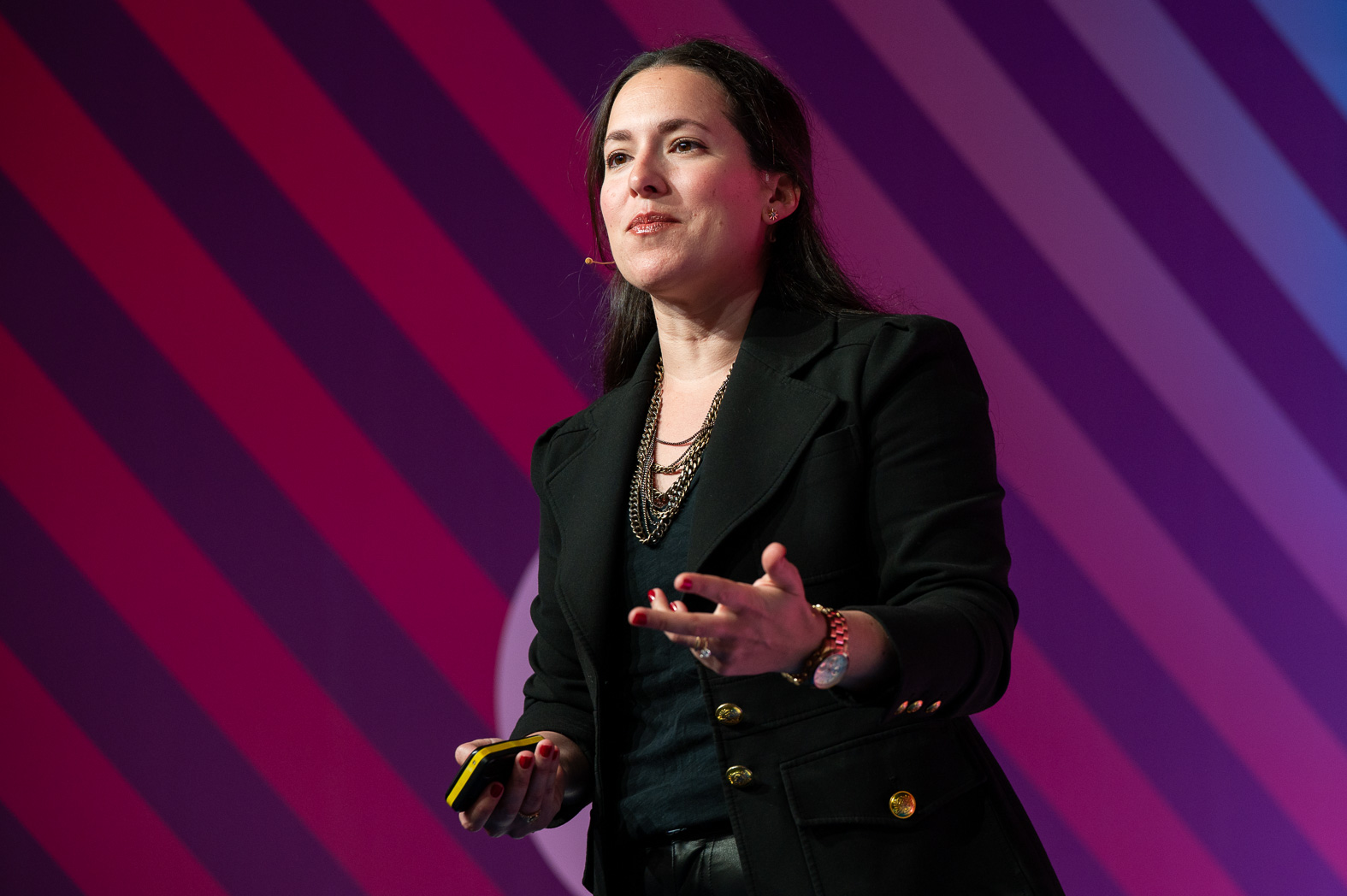
Haggard explained that although the screen era isn’t over, it’s becoming more fragmented by the second. “Attention splintered, and engagement became something to capture rather than something to earn.”
Spotify has performed over six months of market research surveying consumers, advertisers, and experts to find out what audio collision with AI means for the world and for marketers. “Despite our industry and platforms telling us for years that we should be optimizing for sound off, that’s actually not the case,” Haggard said. “86% of Spotify users told us that they mute videos on other platforms so they can listen to music, audiobooks, and podcasts. So people are leaving sound-off platforms and looking for sound-on environments.”
Sound offers a unique opportunity to ingrain messages in someone’s operating system compared to images and videos. “We have already proven that audio actively evokes emotion, captures attention, and consistently outperforms other digital media when it comes to creating a positive experience for consumers,” she said.

AI has only amplified these effects. The global market for voice agents is expected to reach $50 billion by 2034. “It’s massive growth, and consumers are ready for this future. 90% of them want a verbal response from AI assistance. 70% say that they would use voice commands to engage with an ad even if their screen is off,” Haggard explained. Spotify is going against the narrative that audio is passive and is proving its power through innovations like the AI DJ requests, which boosted streams by 45% since its rollout.
Haggard emphasized that the sound on era demands a sound on strategy. “Audio is no longer a nice to have. It should be a foundational part of every marketing plan,” she said.
This presentation was accompanied by a panel discussion led by Carl Nawagamuwa, Head of Agency Development, EMEA, at Spotify.
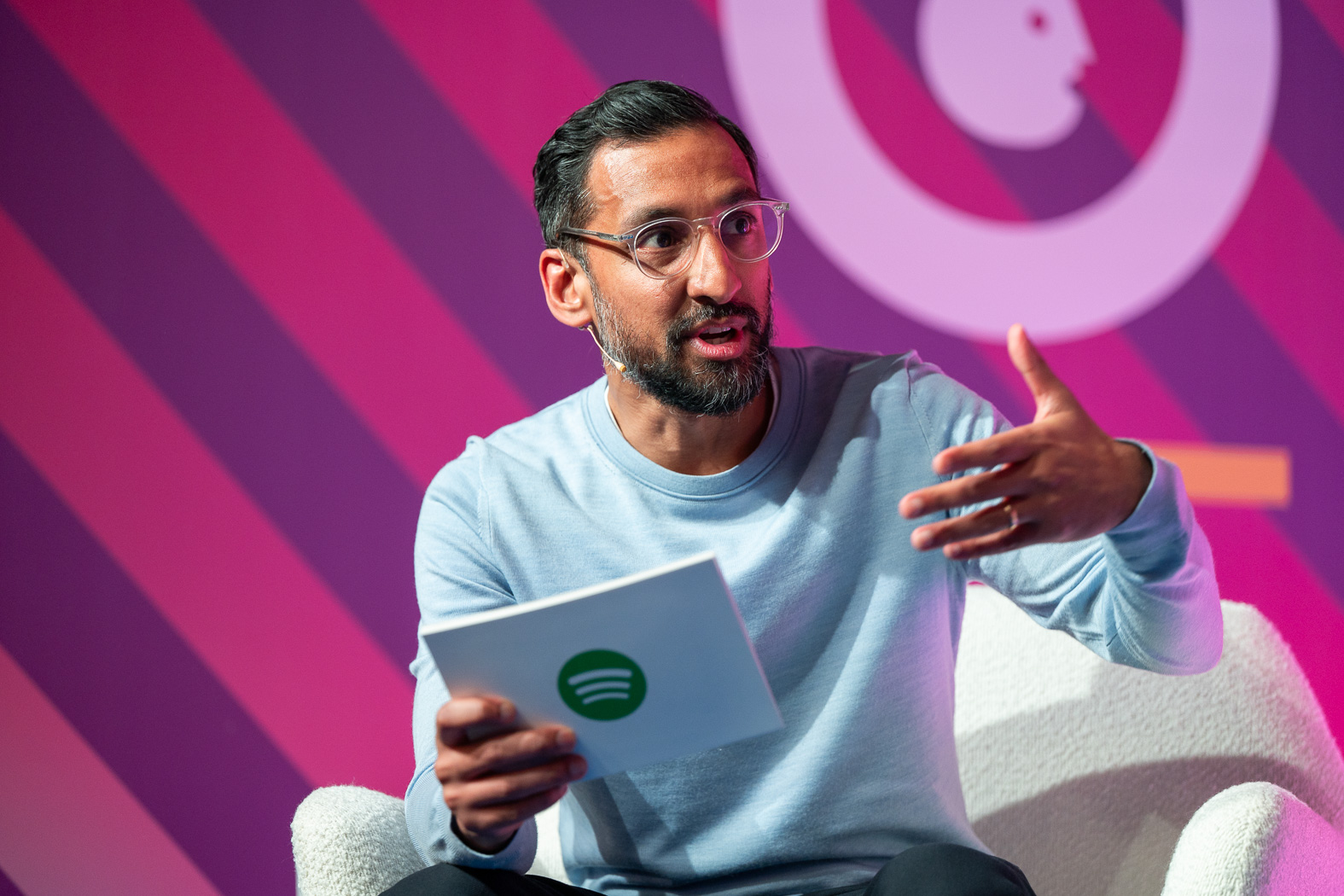
Nawagamuwa began by asking Florence Koch, Global Media Manager for Battlefield at Electronic Arts (EA), what she thinks a sound-on environment can offer. “I think it’s about using and considering where you want to use Spotify in the funnel, and being very intentional. I think it’s one of those touch points that become unmissable across your campaign,” she said. “It’s moving into that emotive-led creative that you can’t get when you’re just watching a video, sound off, and scrolling mindlessly.

Larry Linietsky, Principal Audio BD at Amazon DSP, spoke on what it means for marketers to have a Spotify inventory available to them. Linietsky stated that he is thrilled about this opportunity as he believes audio has never had its rightful place in the pantheon of marketing. “We can now find the right audiences, create incremental audiences above Prime Video, measure it, attribute it, and potentially optimize it. We have all of that connectivity in one place, the power of our signal, the power of your audience, the power of how music and podcasts really connect with people intimately,” he said.

Nawagamuwa then asked the panel about a specific shift they think marketers will need to make to see success in sound on environments. Stephen Butler-Gillen, senior media planning lead at Arla, mentioned that you shouldn’t try to spread a broad message in an attempt to reach everyone on every channel. “Don’t be scared of having channels that you think might compete against each other. Lean into that and how they can actually benefit each other,” he said.

Stephen concluded by saying “Not all reach is equal and Spotify wins on quality attention. We saw the opportunity to extend our Prime Video campaign with Spotify. It was really successful, we had only 0.6% overlap and Spotify accounted for 22% of unique incremental reach.”
You May Also Like

Does Your Brand Need Explaining? It Might Be an Intelligent Brand
Intelligent Brands face a comprehension challenge which creates a bigger opportunity for them in the future. If they can teach the customer why they are necessary, they can often shape the market.

The Danger of Over-Polished Ideas: Why Great Creative Needs Room to Breathe
Remember, diamonds are made under pressure, and the best ideas often emerge through overcoming challenges. Stand firm and demonstrate to your clients that when an idea goes through the creative process, it becomes even stronger and more refined.

Paid Search Doesn’t Need More Keywords. It Needs Better Boundaries.
AI isn’t something you turn on and walk away from. The competitive advantage isn’t the automation itself. It’s in the boundaries you set for it.