
By Kinny Lee, Senior Account Manager at ASV
Brands are drowning audiences in messages, and it’s backfiring. Seventy percent of consumers unsubscribed from at least three brands in the past three months due to excessive messaging. Meanwhile, a 2023 study by Amazon Ads and Twitch Ads found that 71% of people who identify as fans say being part of a fandom is “cool,” and they’re not talking about brand newsletters.
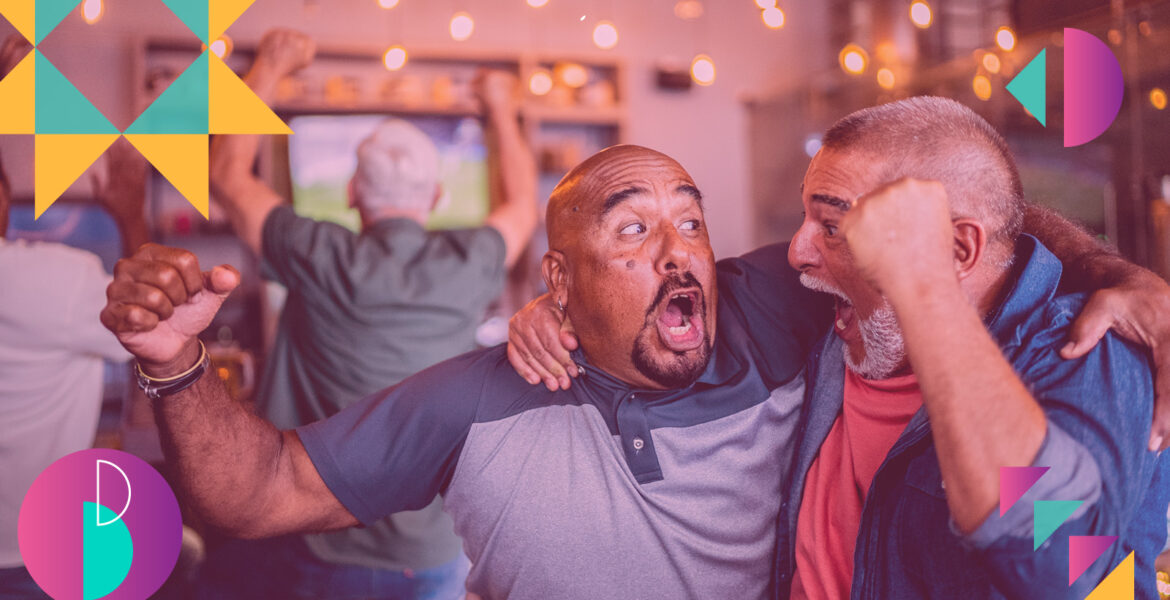
While brands have spent years perfecting algorithmic personalization, audiences are tuning out. Pop culture fandoms, from Swifties to anime communities, have mastered loyalty without algorithms by building authentic emotional connection rooted in identity rather than data points. The lesson for marketers: loyalty comes from co-creation and community, not just tailored content.
Why the Gap Exists
The difference comes down to relationship structure. Fandoms satisfy fundamental psychological needs that transactional marketing misses — belonging, identity formation, and emotional connection. Traditional brand communications prioritize features and benefits, answering “What does this product do?” Fandoms prioritize narrative and participation, answering “Who am I, and where do I belong?”
Brands optimize for transactions. Fandoms optimize for belonging. Brands ask audiences to consume. Fandoms invite audiences to create. When marketing fatigue sets in, it’s often because audiences feel used rather than understood.
What Marketers Can Learn from Fandom Dynamics
The shift from algorithm-driven personalization to identity-driven community building requires rethinking fundamental assumptions about how brands engage audiences. Here’s how to apply fandom principles without appropriating fan culture.
Invest in cultural fluency before launching campaigns
Authenticity can’t be faked, and audiences can immediately spot when brands treat their community as a target demographic. Before Capital One partnered with Taylor Swift in 2023, the brand embedded Easter eggs throughout its “The Journey” commercial. Swifties recognized the campaign as created by insiders who understood Swift’s narrative universe. The strategy worked because Capital One demonstrated genuine knowledge rather than surface-level trend-jacking. In practice, this means spending 90 days using social listening tools to observe community conversations on platforms like Discord, Reddit, or dedicated fan forums before attempting engagement — track language patterns, inside jokes, and values expressed by community members.
Design for co-creation, not control
The most successful fandom marketing happens when brands provide tools and step back. McDonald’s discovered this in 2024 when it launched its “WcDonald’s” campaign, leaning into an existing inside joke about how the chain appears in anime. Rather than imposing a message, McDonald’s embraced what the community had already created, generating over 55,800 social media posts in two months. As Maddy Buxton, YouTube’s culture and trends manager, explained at the 2024 ANA conference: more than half of US 14 to 24-year-olds now describe themselves as creators. Brands need to think less about message control and more about providing platforms for creative expression.
Partner with community insiders rather than imposing external voices
When Autodesk collaborated with Disney and Lucasfilm in 2024 to promote “The Acolyte,” it launched a Droid Maker contest inviting fans to create their own designs. The campaign gave fans creative ownership while positioning Autodesk’s software as an essential tool. By making fans the heroes of the campaign rather than passive recipients, Autodesk tapped into the participatory energy that makes fandoms powerful.
Kosas beauty brand took a similar approach when promoting its baked blush collection in 2024, pairing shades with “Bridgerton” characters during the show’s third-season hype. The strategy worked because Kosas met fans where they already were rather than trying to redirect the conversation.
Balance data-driven insights with identity-driven engagement
According to Optimove’s research, 81% of consumers open emails tailored to their interests, and 67% are more likely to purchase when recommendations reflect past behavior. But these metrics measure relevance, not resonance. They tell you what people click, not why they care. The most effective approach combines behavioral data with cultural understanding — use data to identify which communities your audience participates in, then invest in understanding those communities deeply.
The Code to Loyalty Fandoms Already Cracked
Audiences aren’t rejecting personalization. They’re rejecting personalization that feels extractive rather than reciprocal. The convergence of marketing fatigue and fandom vitality points toward a different approach: one where participation is rewarded with belonging, creativity is valued over consumption, and shared identity creates loyalty that transcends transactions.
For marketers facing personalization fatigue, the solution isn’t more precise targeting. It’s more meaningful presence. When brands learn to speak community language, respect cultural norms, and create space for co-creation, they step closer to the emotional bonds that fandoms experience daily. That’s where connection becomes loyalty, and marketing becomes community building.
About the Author
Kinny Lee is a senior account manager at ASV, a full-service events and experiential marketing company with in-house design, fabrication, and printing capabilities. With over 15 years of experience in event marketing and advertising, he specializes in consumer engagement and brand sponsorships, working with agencies and brands to create face-to-face marketing experiences.