The brands that succeed here don’t win because they wave a flag. They win because they understand the people behind it.


Presented by

The brands that succeed here don’t win because they wave a flag. They win because they understand the people behind it.

The instinct from most marketing teams is to add more channels, more targeting, more impressions, purely for the sake of doing more.

As consumers become harder to impress and AI makes content easier than ever to produce, experiential marketing has become one of the few disciplines where brands cannot fake relevance. Every interaction is tested in real time, forcing marketers to create experiences that genuinely earn attention instead of simply buying it.





Hosted by WeTransfer Advertising, this session explores how brands can build lasting connections by rethinking media planning and measurement.

With their first billion-dollar quarter, Pinterest has reached a new era. Their success is based on the performance product they launched over the last few years, which drives their users from inspiration to actually making a purchase.
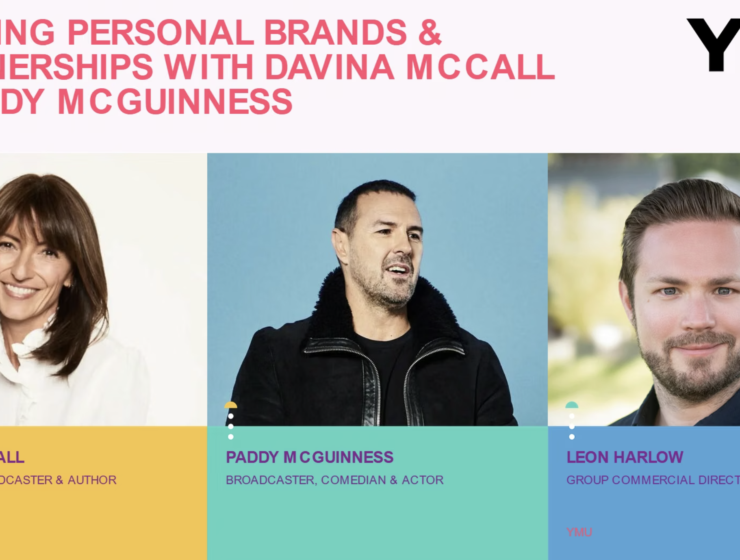
Davina McCall and Paddy McGuinness are two of the UK’s most loved and best known TV personalities, having fronted between them many of the biggest shows in TV entertainment – from The Masked Singer, to Top Gear, Take Me Out, Long Lost Family, Million Pound Drop, Inside the Factory, and many others.
2024 was an exciting year for streaming services, with new players entering the market and new services launched, but we have only scratched the surface of the potential for audiences and advertisers.
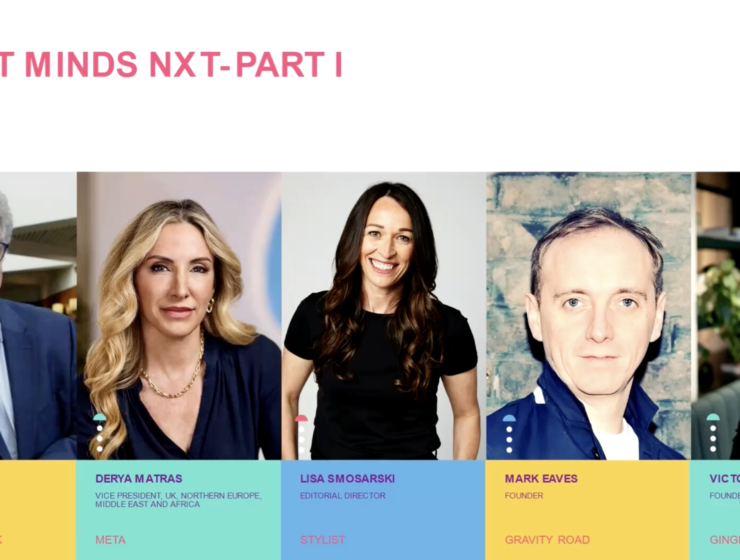
A compelling cast of leading luminaries on where we are; how we got here; and what is next from the rise of streaming, the creator ecosystem, evolving consumer and brand behaviors and how progressive technologies are redefining the landscape and our industry.
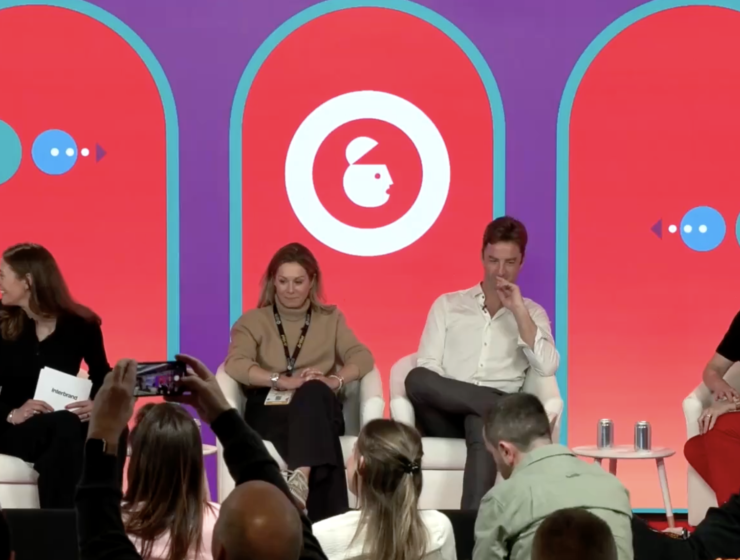
With a challenging macro-environment across the globe, what does it take to become and maintain your position as a global brand leader in today’s market?

In the age of AI and fragmented media, the challenge is not to replicate the “tipping point” of the past, but to forge new paths to influence, crafting compelling stories, building genuine relationships, and embracing the power of human creativity.

Fortifying talent and client relationships, specialized CRM tools place the thought of “I’d like to stay in touch,’ into decisive action – allowing contact information to be updated at the speed of a new hire.

Transforming digital advertising starts with those who can break free from this conventional thinking and lead the way.

Developing a unique and notable expertise, being ready to share it, and cultivating a community of followers are key steps to becoming a sought-after thought leader.
Before you can sell anything, you must establish trust, and credibility. That’s exactly what Aversano sought to do for The Cigna Group.