




Measurement Masterminds: We Put Marketing’s Measurement Experts on the Spot
By Helen Myers, Advertising Week Correspondent
Milka Privodanova, VP Large Customers International at LinkedIn, led a talk show-style panel to tackle the toughest questions the market faces when it comes to ROI.
Privodanova kicked off the session by asking the panel what they would do to narrow down the objective of measurement to make one decision better.
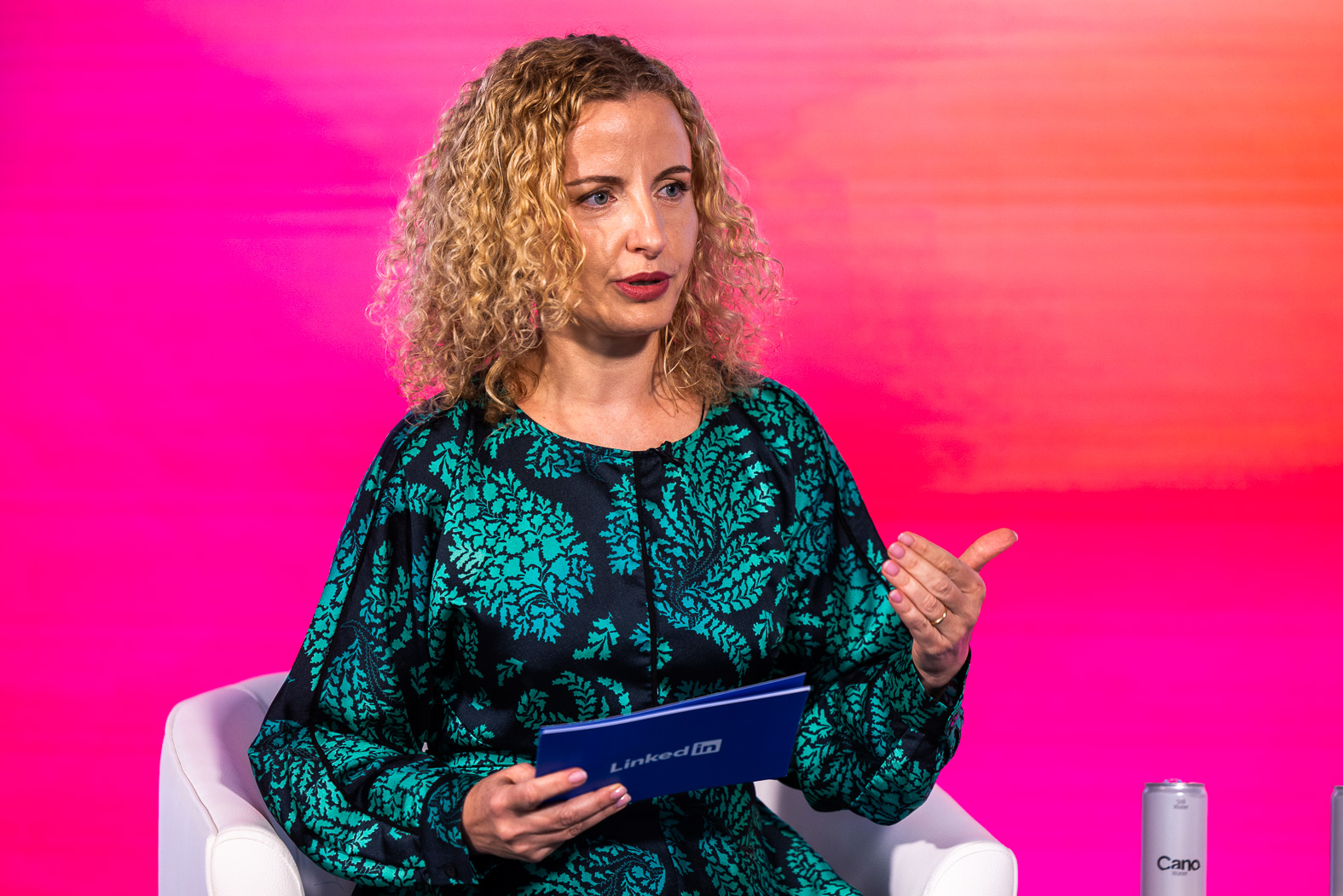
Lubna Quraishi, VP of Marketing at Sage, said that for her it would be allocation. “In simple terms, I want measurement to help me understand where I’m going to allocate my next dollar, my next pound, my next Euro, whatever that might be. I want to know where I can scale,” she said. She then added that she thinks about measurement as more than just reporting, but as decision-making. “Very simply put, if I can empower my team to think about how they can change what needs to change next week, what needs to change next month, and where they’re going to put that extra dollar that I give them, that for me, is the sweet spot.”
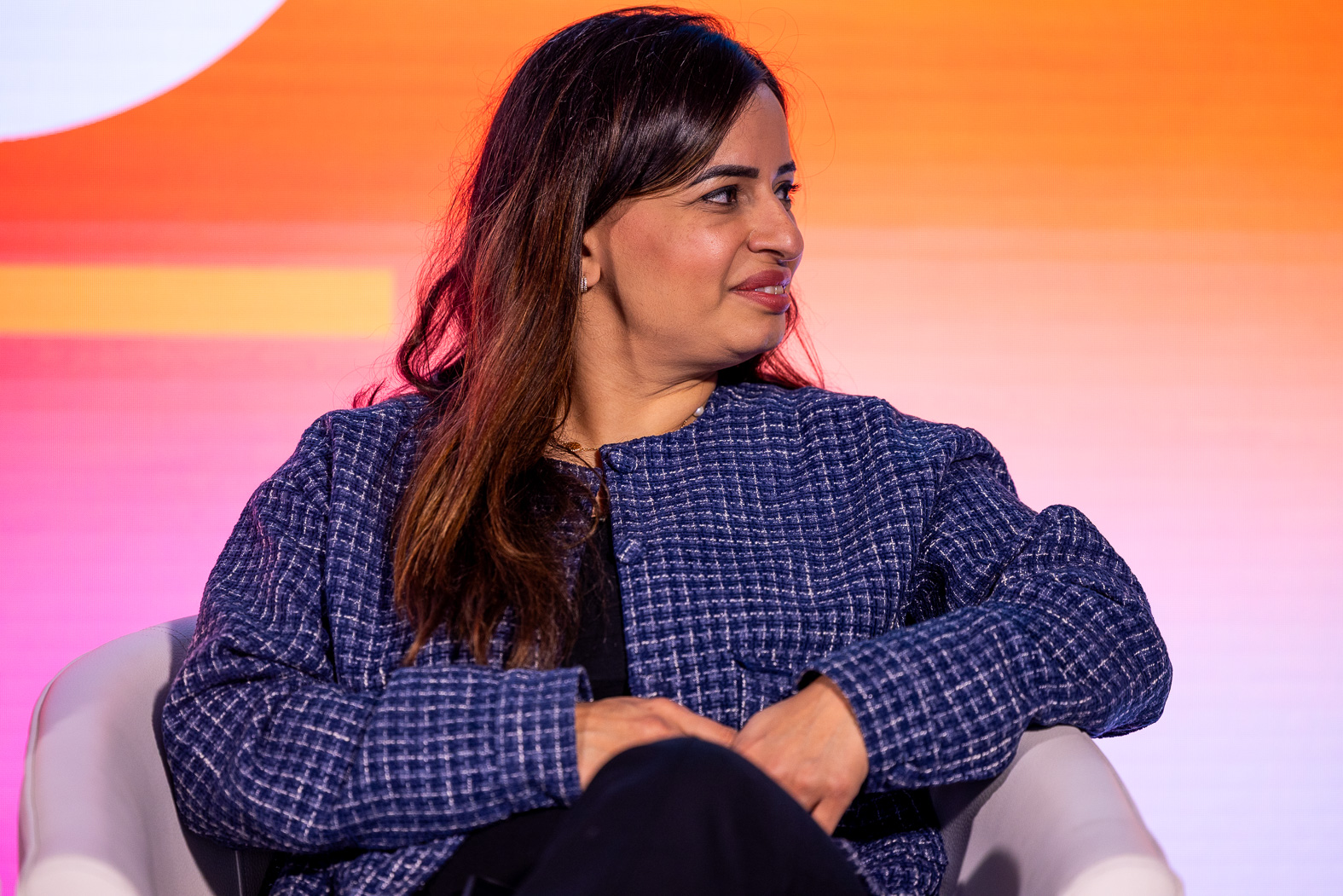
Steffen Hedebrandt, CMO and co-founder of Dreamdata, was then asked to offer his expertise on where he sees the biggest gaps in measurement strategies. Hedebrandt explained that the consumer journey is no longer singular, but scattered across hundreds of days, making it more difficult for marketers to have a comprehensive view. The abundance of data silos provide additional challenge when measuring revenue outcomes.

Measurement bluffs were defined as areas people pretend to, but can’t actually measure. Michael Brown, senior managing partner of research and insight at UM, mentioned that the biggest measurement bluff he has noticed is the obsession with consumer attention. He explained that people have busy lives and are constantly sidetracked in different directions. “I think people bluff their way by looking at other metrics,” he said. “I think the whole idea of attention is that it is a metric that should be taken into account. We focus too much on other metrics, like reach and other forms of engagement, but I think attention ought to be higher up the agenda,” he continued.
Quraishi chimed in on the conversation and added that she observes people trying to measure brand in the short term. She said that a common mistake is investing in a brand and expecting full funnel results in the first few months, but that is typically not how the brand works. To her, it’s vital to be clear about the role of the brand and be adept at articulating expectations. “In terms of tangible business results, the metrics that the board cares about are something that I’ve seen people kind of fall through the gap sometimes in terms of trying to justify brand in a very short-term way, which it is not,” she said.

LinkedIn has played a major role in measurement. Hedebrandt claims to be a big fan of it, as it is the only major ad platform that has an account meter. “In B to B, we have to be super specific. We know who the clients we want are. LinkedIn has a directory of all those accounts, and you just have to tell LinkedIn, run my ads in front of these accounts. So the account concept in LinkedIn is what makes it like a superior B2B marketing platform for me,” he said.
To end the discussion, the panel debated what actually proves value and where marketers still fail to link marketing and revenue.
You May Also Like

The Power of the Transaction
A click can suggest interest, but a transaction shows where someone chose to spend. In our Advertising Week New York session, “The Power of the Transaction,” the leaders behind Citi Commerce Media discussed how purchasing data can help brands identify audiences, deliver relevant offers and assess what happens after an advertisement.

How to Find Authentic Experts in a World of Ai-Generated Content
As AI-generated content floods the internet, how do we know who’s actually an expert anymore? Why businesses need better ways to distinguish genuine human expertise from AI-generated noise.
Brands Can Scale Creator Content Without Sacrificing Authenticity
With platforms and technology providers promising easier discovery, faster campaign setup, and more efficient distribution, creator marketing is starting to look more like the rest of digital advertising. For brands managing a growing number of creator relationships and assets, the appeal is obvious. But it also raises a reasonable concern.