

The Era of Cultural Transparency in Advertising
Diversity, Equity & Inclusion (DE&I) is at the forefront of many brands’ and businesses’ visual strategies. Yet only 30% of people in APAC say they see diversity in advertisements by brands they purchase from (VisualGPS). So why is there a mismatch?
Join Getty Images and Citi for an insightful discussion on how creatives and marketers can ensure their visual communications match the expectations and values of consumers, how bias is driving demand for more visual inclusion and tips on how to be inclusive in visual storytelling.
With 4 out of 5 people in APAC making decisions on what company, product or service to use by the visuals they see, it has never been more important to know how to select and create visual content that matches your customer’s aspirations and values.
When it comes to imagery showcasing people, we’ve seen a natural tendency toward what is “known.” It is important to consider the role of our unconscious bias and check not only “who” are we featuring but “how” are we featuring them.
This session explores how to overcome the challenge of connecting with audiences across different geographies and provides actionable insights that you can implement in your visual strategy.
You May Also Like

How to Find Authentic Experts in a World of Ai-Generated Content
As AI-generated content floods the internet, how do we know who’s actually an expert anymore? Why businesses need better ways to distinguish genuine human expertise from AI-generated noise.
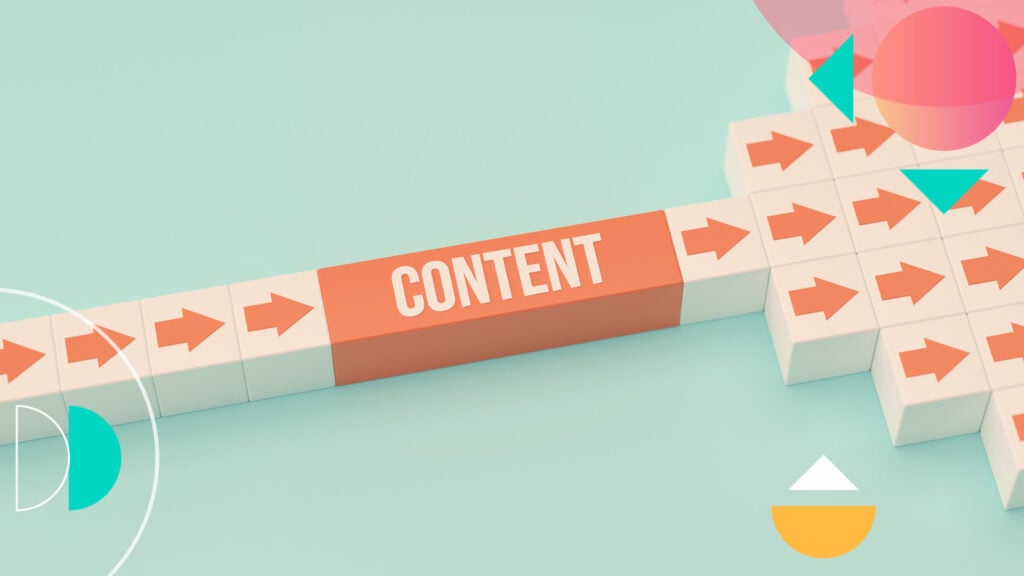
Brands Can Scale Creator Content Without Sacrificing Authenticity
With platforms and technology providers promising easier discovery, faster campaign setup, and more efficient distribution, creator marketing is starting to look more like the rest of digital advertising. For brands managing a growing number of creator relationships and assets, the appeal is obvious. But it also raises a reasonable concern.

Design Is Britain’s Unsung Hero. It’s Time We Said So.
The UK design economy is worth £136.7bn and growing almost twice as fast as the wider economy. So why are we still so bad at recognising its value?