Creating a world-class client experience isn’t a methodology or a set of processes. It’s about showing a genuine interest in your clients every step of the way.


Presented by

Creating a world-class client experience isn’t a methodology or a set of processes. It’s about showing a genuine interest in your clients every step of the way.
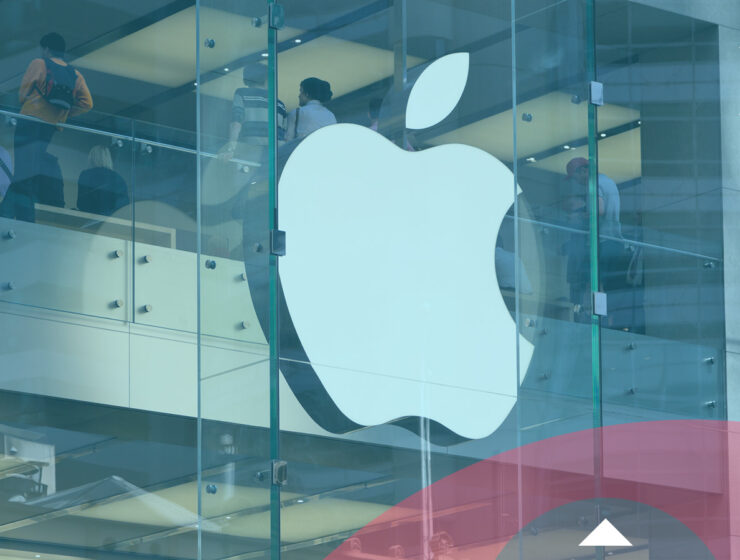
Apple didn’t succeed in OOH despite constraints. It succeeded because it embraced them.
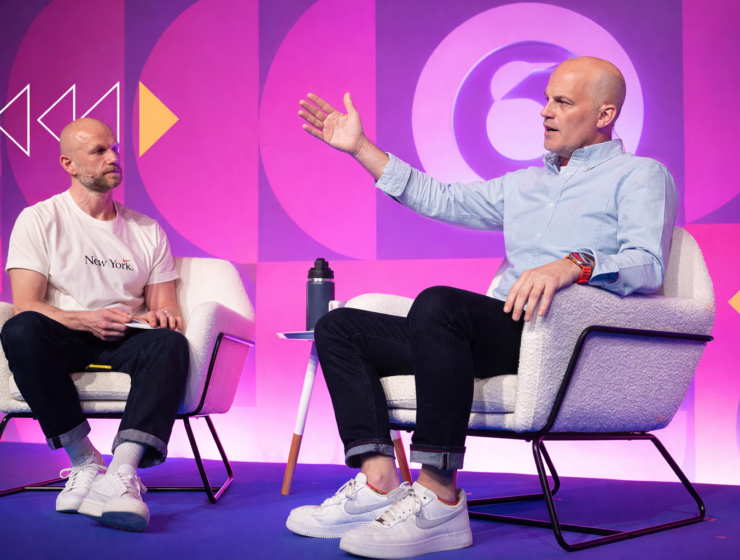
James Cornish, senior VP of international sales and partnerships at Vevo, began this session with a presentation on how brands can leverage global moments across music, sport, and tech.





It’s time we all stepped up to create more pathways and authentic advertising. How will your brand drop the needle on diversity in 2025?
Customer success is your most valuable player. But it’s not just about playing the game; it’s about being prepared to change it, lead it, and redefine what success means repeatedly.
The passage of true love is anything but simple, but all brands should be chasing it.

Creative brand leaders should strive to find those sharp, unexpected, and strategic collaborations that can elevate a brand in meaningful ways and build long-term brand affinity, so the brand remains relevant and admired as generations pass and tastes evolve.
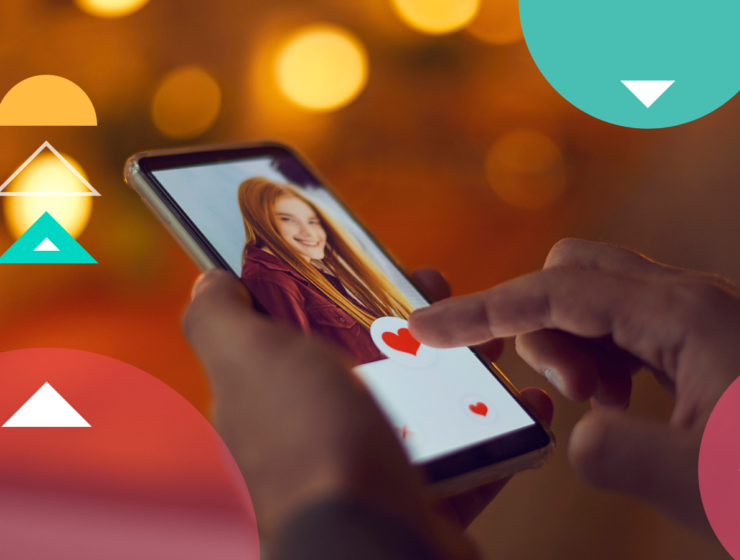
There are so many opportunities for brands to support Gen Z in their dating lives and focus on fostering real connections. Gen Z will love them for it. And dating apps? They could take a cue from REI’s #OptOutside and help users to #DateOutside.
Despite the 15 years I spent agency-side, it was the three years client-side that taught me what it really means to “do marketing.” Here are nine lessons I wish agencies prioritised to become truly client-centric.
All too often, brands and their agencies rely on established channels without going the extra yard to see where else they can engage their audiences. By inserting their messaging into more intimate corridors of people’s everyday experiential lives, brands have the ability to connect to their audiences more seamlessly and meaningfully.
2025 is the year that we stoke the fires to keep the home fires burning, clamber out of our silos and get down to the business of delivering the most impactful, most creative and most effective comms for our clients.

According to a poll by the Kaiser Family Foundation, about 12% of US adults have taken a glucagon-like peptide 1 (GLP-1) medication as of May 2024—and those numbers are only expected to grow.
Forecasted weather data empowers businesses to anticipate rather than react. By understanding how customers respond to expected weather, companies can optimize inventory decisions, align campaigns with consumer expectations, and prepare logistics for potential disruptions.

People hate being screamed at by a sea of beige messages that aren’t interesting enough to merit a response. We’re sick of tricks. Sick of AI generated falsities, sick of AR, VR and whatever Meta black hole Zuck’s cooking up next.

There’s been a lot of chatter in the marketing world recently about the positive correlation between brands that take the time to truly understand their customers’ needs, desires and aspirations and business success.