




Did Social Kill the “Celebrity”?
By Julia Pascual, Social & Influencer Strategist, AntiSocial
To say that culture is demanding is an understatement. Social has provided us with more content than we even have the time for, and that has made us selfish.
The way we consume media both on and off our phones has changed. Now we don’t just want to see celebrities on TV, in theaters or on stage. We want a closer look at them through their social content.
On the flip side, we’re seeing social stars gain mainstream fame. We’re yearning for casting directors to cast nobodies, so we can see fresh faces on the big screen. Social hasn’t just changed how we observe culture, it’s changed what we expect from the people inside it.
It creates a kind of catch-22 for both our beloved stars and the ones on the rise.
This all stemmed from taking a step back and seeing the shared excitement from watching breakout shows like, “Heated Rivalry,” “The Pitt” and “Love Story.” What is it about these series that have us hooked?
I’d argue (and I know I’m not alone in this) that it’s largely due to the fact that they feature actors that haven’t had their big break yet. We’re seeing fresh talent portray characters with relatable arcs. The fact we have no idea who they are allows us to immerse ourselves in the world of these stories with no distractions. It makes everything that much more believable and relatable.
But we’re also seeing influencers – who often started from humble beginnings posting TikToks from their bedrooms – strike algorithmic gold, continue to build their communities, and make their way to the mainstream. Think Addison Rae and Alex Warren at the Grammy’s, Alix Earle with her own Netflix show, or Jake Shane making his broadway debut.
Eventually these influencers rise so fast that the gen pop starts to doubt whether they deserve their place in the spotlight. There are constant debates about why influencers are getting invited to the most exclusive Hollywood events, or how awards shows have been “ruined” by influencers. Yet we haven’t stopped watching influencer content; in fact, some of them pull video views that rival streaming numbers.
But they can only rise so high until their place in traditional media is questioned.
For celebrities that have established their claim to fame, we somehow seem to expect even more from them. TV shows, movies or concerts aren’t enough anymore. Press tours aren’t new but they’ve evolved to prioritize what clips or soundbites are going to go viral on social.
On top of preparing for their roles or rehearsing for tours, they now have to consider social content. Down-time that used to be dedicated to unwinding is dedicated to filming TikToks that won’t even get posted until long after the trend is already over.
We’re getting more access than ever to the curtain that once protected the mystique of celebrity. But audiences live for these BTS takes. In an age when everything can be documented, we want to see everything. Seeing our faves post an Instagram dump has become the modern “celebrities: they’re just like us!” spots in print magazines.
We don’t just expect actors or musicians to perfect their craft, but the ones that have been able to nail an internet persona are the new markers of access. They’re not only talented in their art form; they also know how to curate social posts that have us saying “that’s so me.”
So what does this all mean? Influencers are becoming celebrities, and social media has pushed celebrities to become content creators. And as their audience, we want everything from everyone. We’ve become hyper-aware and overly analytical. We don’t buy into the mystery the way we used to. We want complete access. We want relatability. We want to feel like the people on our screens exist in the same world we do.
We used to escape into celebrities’ worlds. Now we expect them to live in ours. And increasingly, we expect them to be everything, all the time. Social didn’t kill celebrity. It just made it a constant, full-time job.
You May Also Like

Inside a Student-Run Ad Agency (Spoiler Alert: Its Clients Include Siemens)
The fundamentals of standout advertising are cross-generational. A great ad shows the personality of the company while clearly communicating — in authentic ways — what makes it worth supporting.

CTV Has an Ad Load Problem. Smart TV Gaming Is the Way Out.
Smart TV gaming opens the world of big-screen to advertisers, making it manageable and scalable in a way it never was a console-based ecosystem.
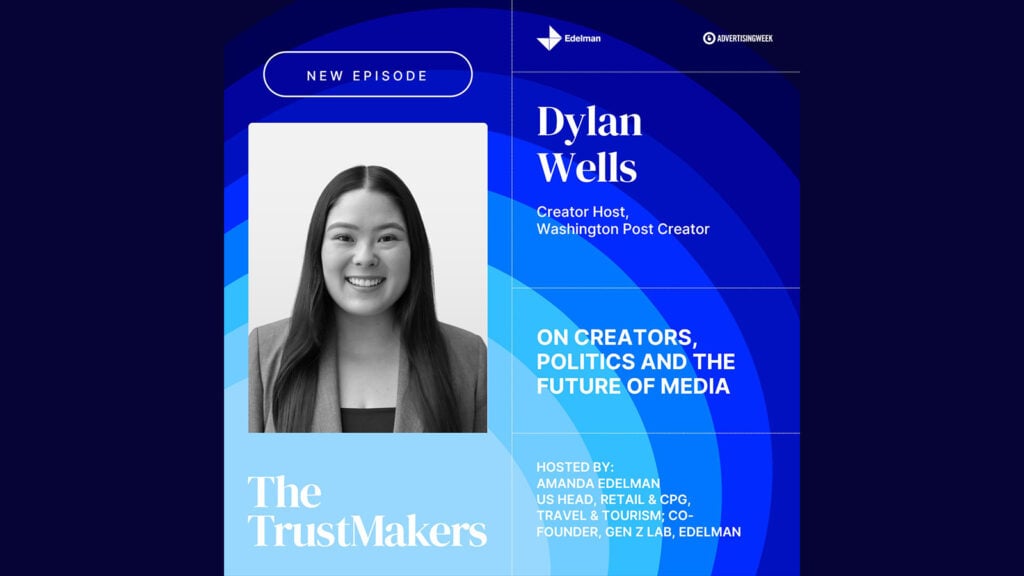
The Washington Post’s Dylan Wells on Creators, Politics and the Future of Media
Dylan Wells, inaugural Creator Host at Washington Post Creator, the Washington Post’s new division focused on the creator economy, joins Edelman’s Amanda Edelman to unpack the increasingly blurred line between creators and traditional media.