

Euro 2020 was the tournament in which sports consumption went truly social. With public venues in many countries still subject to social distancing or lockdown restrictions, fans took to more accessible digital channels in greater numbers than ever before, and the Tokyo Olympics is sure to continue that trend.
Tag: Culture

Pharmaceutical marketing – it’s a bit odd, isn’t it? Almost impossible to categorize in the traditional marketing sense. Is it B2B? Yes, in some markets, but not in most. Is it B2C? Yes!

Digital transformation means different things to different businesses. Some industries have rapidly changed beyond recognition; others have struggled to do more than make incremental improvements to the way they’ve always done things.

As we look to the flexible future of work, the questions that are frequently asked are – ‘will businesses continue to let their employees work from anywhere? What does flexibility mean when it comes to employee work/life balance, post-pandemic?

Highlighted by GenZ, youth are pushing brands to dispense with the BS, contribute to social progress, ease their considerable anxieties, and help them course-correct the imperiled planet they and their children will inherit. Expect more brands to wake up to their power and influence.

The size and influence of Black and Hispanic audiences continues to grow – and along with it, the importance of these communities in the advertising ecosystem. Is your brand doing everything it can to reach them?

With Pride Month coming to an end, we’ve seen many brands go all out to paint themselves as allies to the LGBTQ+ community.

As a bi-racial, divorced, and working mom of three, I have faced more than my fair share of hurdles as a female working in tech. I have taken the lessons I have learned over the years to my current position at NetBlaze, a digital marketing SaaS company for small businesses.

Addressing climate change is one of the basic human needs that successful businesses of the future will find a way to address. The world needs sustainable businesses to succeed — and for that to happen, they must have the most successful brands.

Sudden lockdowns caused many brands to scramble to create digital experiences to fill the void in 2020. But as we settle back into a more physical world, are these virtual experiences here to stay? Three marketers weigh in on what our virtual future might look like.

2020 was a game-changer for e-commerce in Europe. Brands and retailers have surged towards digital channels and omnichannel marketing has become a true buzzword. Some of our clients have seen their e-commerce sales double after just a few weeks.

For publishers and advertisers alike, podcasts have grown in importance over the past twelve months to become one of the most exciting and effective market channels available today.

Lorenzo Thione is the Managing Director at Gaingels. A venture investment group focused on investing and supporting LGBT+ founded/led startups. He recently sat down with Nick Woodford, content manager at Anzu, to talk about the ground-breaking work that Gaingels do.

Brand Purpose (capital ‘p’) offers the WHY a brand does what it does. It goes beyond profits, offering a reason for being that’s grounded in humanity. And, as many brands have recognized this past 18 months, that Purpose can be a guiding and stabilizing light in dark times.

In the past few years, brands have started to embrace the LGBTQ+ community, often changing their logos to feature rainbow colours during Pride months to show their support. Having worked in the media ecosystem, I noticed that there were still things that needed to change for brands to show their support further.

COVID-19 vaccines have been rolling out across the U.S. for six months now, but the real work for vaccination campaigns is just beginning. As supply eclipses demand, all eyes are turning to Americans who have expressed hesitancy or outright resistance to being vaccinated against COVID-19.

In the 20 years since FirmDecisions first made media contract compliance auditing an integral part of many leading brands’ system of checks and balances, much has changed in the marketing ecosystem.
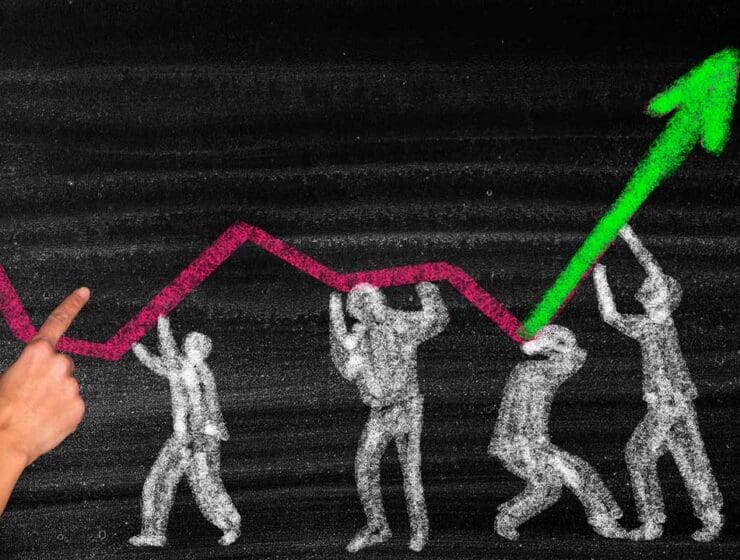
During the spring of 2020, when Covid-19 lockdowns spread across the U.S., numerous advertisers on Facebook, Amazon and elsewhere paused their campaigns.

For brands that manage a loyalty program in the travel space, now is the time to conduct a thorough review of both your loyalty program and your loyalty strategies to ensure you can make the most of the recovery phase.

Say a company has successfully identified a problem or opportunity. What is the next step?

The Digital Transformation taking over today’s world is an inevitable revolution that will keep growing as tech advances.

Cultural inclusion is gaining prominence in the advertising industry and in recent years it has taken great strides forward. Here, we talk to four agency heads across Australia and New Zealand, who have been bringing indigenous voices and cultural values further into the mainstream advertising and media environment.
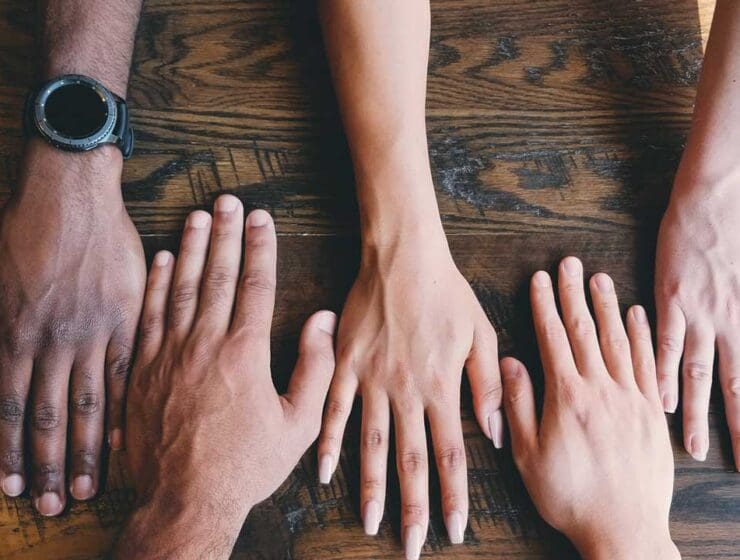
Think back to the long-ago pre-pandemic days of 2019, when engineering leaders and hiring managers brainstormed the best ways to create supportive, inspiring team cultures.
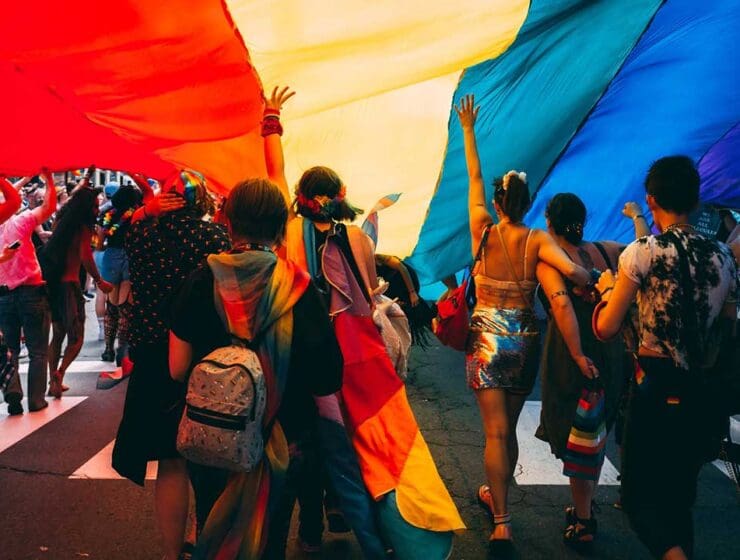
In this era of inclusion, which has become synonymous with diversity, brands need to show what really matters. In the LGBTQ+ community, it’s important to connect through imagery that feels real and avoids using stereotypes as shorthand.
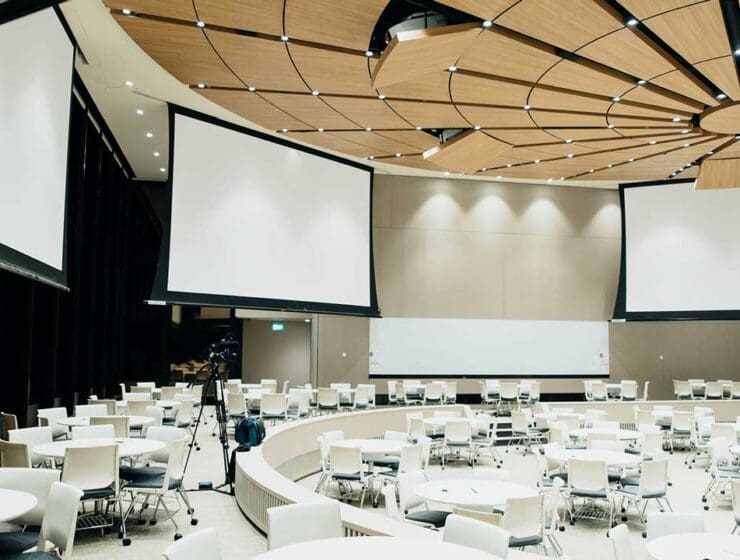
Despite the pandemic, the benefits of attending conferences – albeit virtually or in person – have never really changed. Here, industry trade show regular, Josh Paterson of Grammatik Agency explores the benefits of the future of events and how a hybrid experience will be the way forward in the months ahead.
Advertising has long been about three things: audience, placement, and creative. But creative, the third path through these woods remains the road less traveled. This is a huge missed opportunity. Creativity is the most important factor in campaign performance.
When did you start caring about workers forming unions and striking for better pay? How old were you when any alarm set in over the potential for monopolization of information and access to it became a critical concern in your mind?

I can’t compare and contrast what it was like to lead a company before and during the pandemic, but I can share three lessons I learned during this time that my team and I will carry forward into the future.

If 2020 was the year of upheaval, 2021 is the year of progression. Businesses and marketers need to be pushing forward. Now is the time to dominate your industry and tackle influence, attention and profits.

New Zealand-founded agency Special Group has recently taken out Campaign UK’s Global Creative & Independent Agency of the Year award. Founder, Tony Bradbourne, reveals some of the secrets of its internationally renowned creative.

Ahead of AWAPAC 2021, Advertising Week presents a Q&A with Brett Armstrong, General Manager, Global Business Solutions, TikTok ANZ

There is still only a very limited number of brands that use older people in their content for products and services that aren’t age-related. Brands are often too quick to assume that younger demographics are the only ones engaging with digital.

Consumers are devoting their time to an ever-more diverse portfolio of devices and formats, so it can be tempting to assume that traditional formats must have lost some of their shine; mass digitization during the pandemic has only fueled these assumptions.

As COVID-19 lockdowns begin to ease, global digital immersion has become impossible to ignore – and social media has quickly become the lifeblood of every brand’s marketing strategy.
2020 marked a trying time for us all. As we inch closer to the pandemic’s end, can we look back and call out the inspiring moments associated with it too?
For many Gen Xers and Boomers like myself, Friends was a cultural touchstone; it reflected who we were as twenty- and thirty-somethings before it signed off in 2004.

A combination of the roadmap out of lockdown and an effective vaccine rollout means UK consumers are starting to envisage a more positive future.
Here are 5 significant commerce media opportunities that you can try with your clients – all with multiple important benefits.

To better understand the rise of intent, B2B marketers need to think about their core function: listening to what their prospective buyers are looking for.
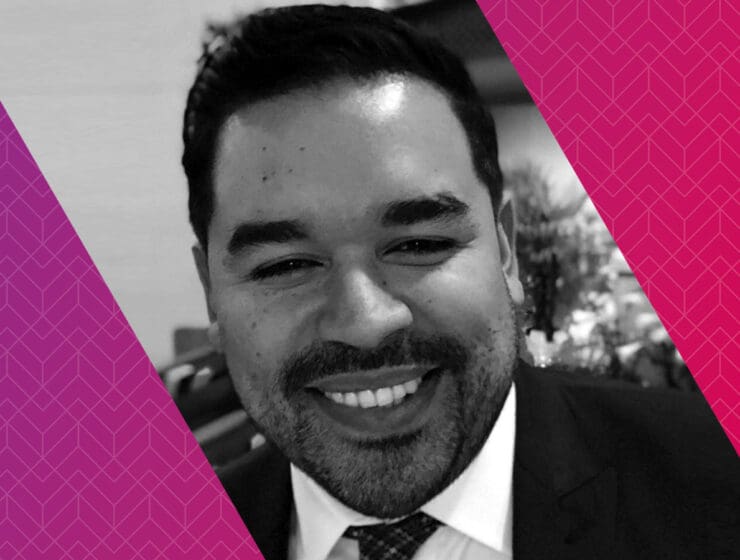
Ahead of Vevo’s AWAdvance event on 25 May, 2021, we sat down with Robert Velez, Director of US Multicultural & LATAM Sales at Vevo to discuss the LATAM market and Vevo’s unique and growing position within it.

Optimism, properly channeled, is a powerful catalyst for change. And if you can retain your sense of optimism even amidst a pandemic, you possess a marketer’s most essential quality.
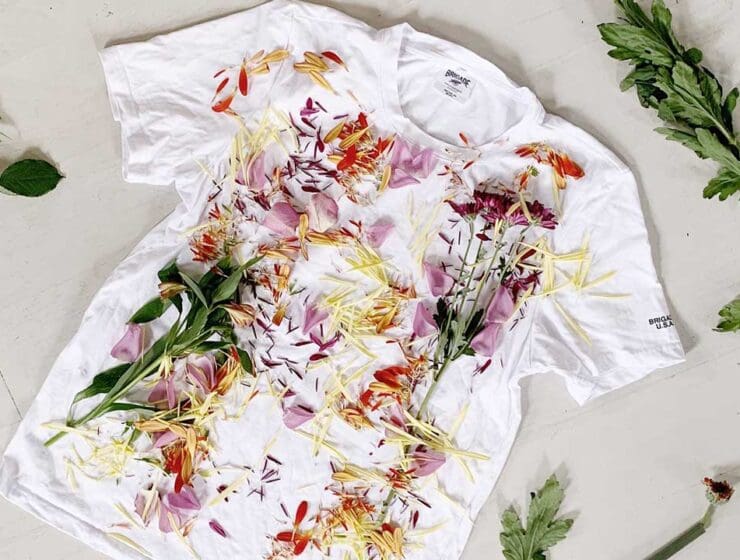
Earth Day has been and gone but sustainability need not be hinged on just one day in the year. While it serves as a conscious reminder to us all just how important it is to protect our planet, consumers are more aware than ever of how the decisions they make impact the world we live in.
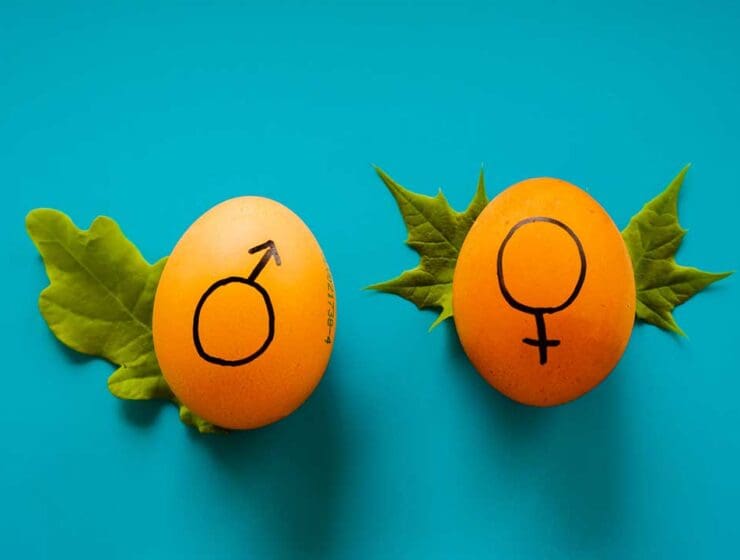
#WorkFromHomeLife has affected us all… so why are businesses still relying on imagery of moms homeschooling while dads work?

The digital advertising industry has been operating at the expense of user privacy for a long time. As an industry, we need to make some fundamental changes to redress the balance.

There are plenty of lessons to take to heart from 2020. Both the pandemic and the social justice movements ignited by the death of George Floyd in the U.S. have cracked open the protective shields many brands had been hiding behind.
In a panel by Advertising Week, presented by Magnite, we get an inside look into the billion-dollar growth of the company Pluto, which was recently acquired by ViacomCBS, how Roku navigates viewer and brand relationships, and how CTV opens a world of opportunities for live sports advertising.
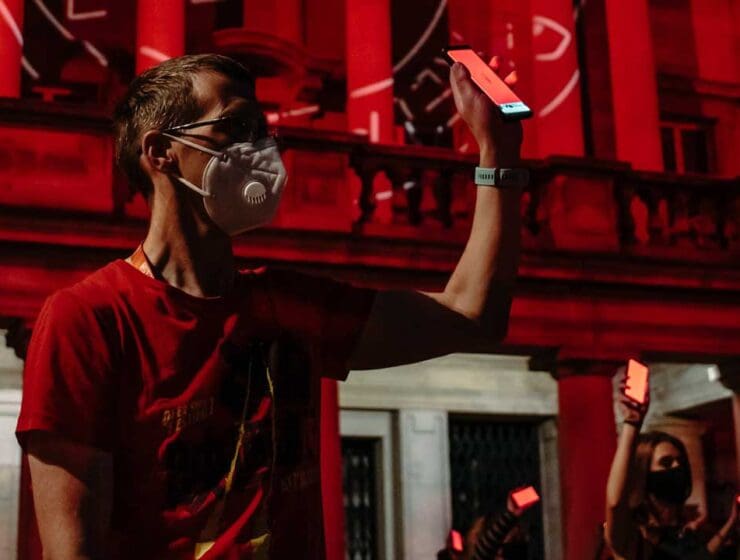
Among the industries devastated by the global pandemic, perhaps none have been as thoroughly ravaged as the live events space. In a single year, the live events industry took a more than $30 billion hit in terms of lost revenue, and the crisis isn’t over yet.

The title of this article, Meaner and Nicer, expresses the realities of starting and owning a business. It reflects the advancing and changing environment in which my firm was built, as well as the marketplace’s reaction to the evolution in needs, attitudes and world views that span two decades.

Need help mastering a complicated recipe? Inspiration for up-cycling old furniture? Tips on how to homeschool while working a full-time job? Advice for re-entering the world as it slowly starts to open back up? There’s an online community for that on Reddit.

Work culture matters. Now more than ever. Who you are and what you stand for matters to people who work at your company and buy your products.
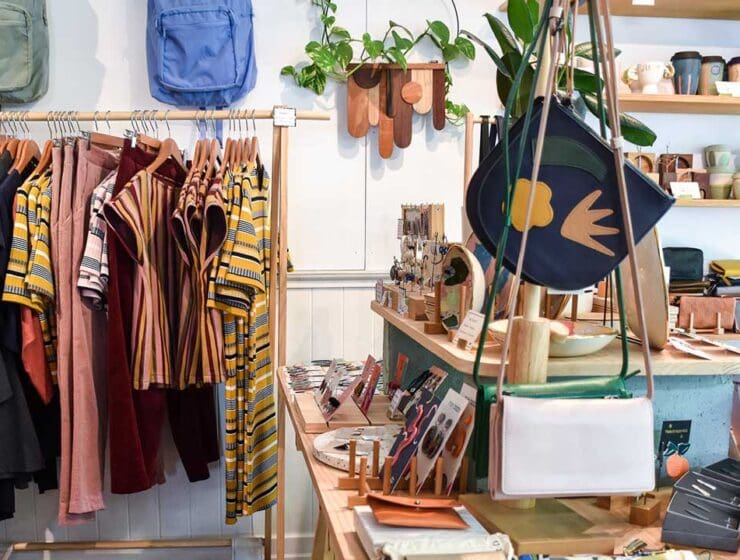
While every part of the business community has been affected by ever-changing regulations, closing and re-openings, as well as health and safety guidelines, impacts to the small business community have been significant.

Not much is guaranteed in a post-Covid world, but we’ll tell you one thing: Gen Z wants action.

Nurturing and sustaining culture and its values are important for any leadership team, but 2021 will be a uniquely critical time to support employees, as the definition of “company culture” continues to shift.

From the Mad Men era to the creative zeitgeist of today, the ad industry has experienced quite the transformation. The industry as a whole, the work it produces, and its clients are frequently studied and discussed.
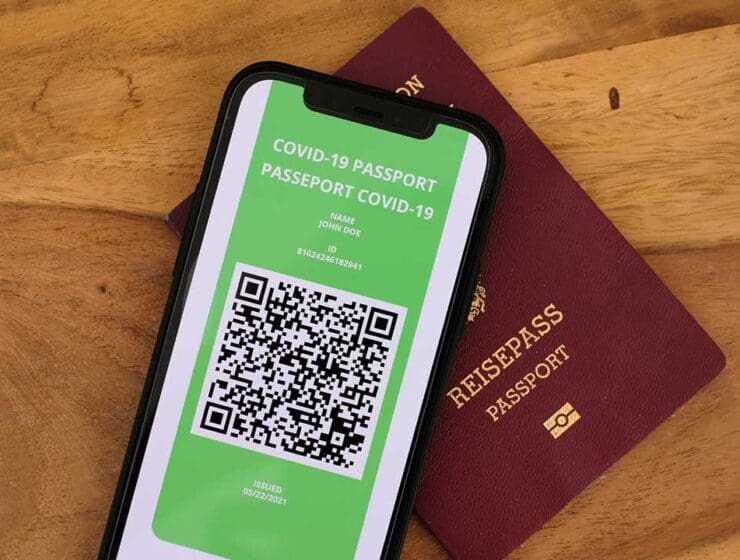
McKinsey estimates that in the US, the pandemic is likely to be influential in our lives until at least Q3 or Q4 2021, which means we have at least 6 months where our proof of health matters significantly to our ability to move freely.
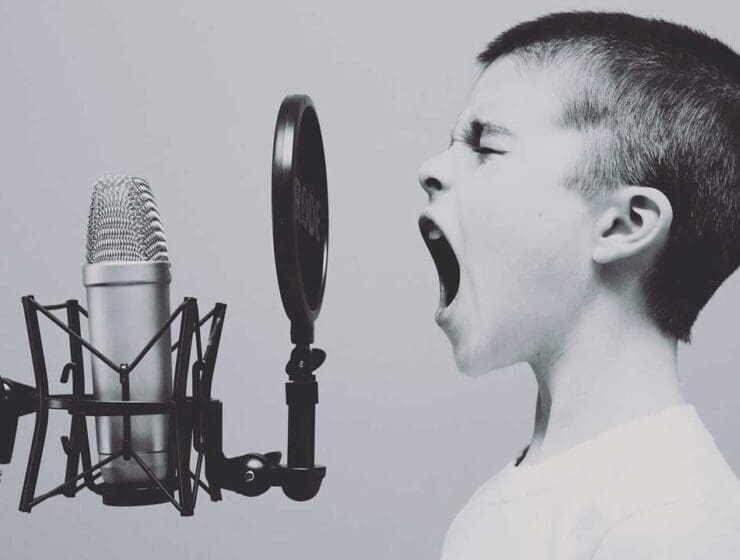
The fact that the vast majority of audio content is not easily accessible or discoverable makes you wonder how much this has held audio back as a medium?

Culture is what differentiates us from the other living creatures on earth. Learning how to communicate with others is a social process regardless of the channel.

It’s the curious nature of humanity, when these x-in-a-lifetime events arise, to look downwards and backwards, at our dashboards, in our rearview mirrors. But eventually, we realize we must look through the windshield and, once again, beyond the hood and to the horizon.

With the success of mass vaccination programs, the end of the pandemic feels more insight than ever before—and the return of in-person public life seems imminent.

While there is still much uncertainty, how can businesses unaccustomed to virtual-only events ensure that those planned for 2021 will go off without a hitch?
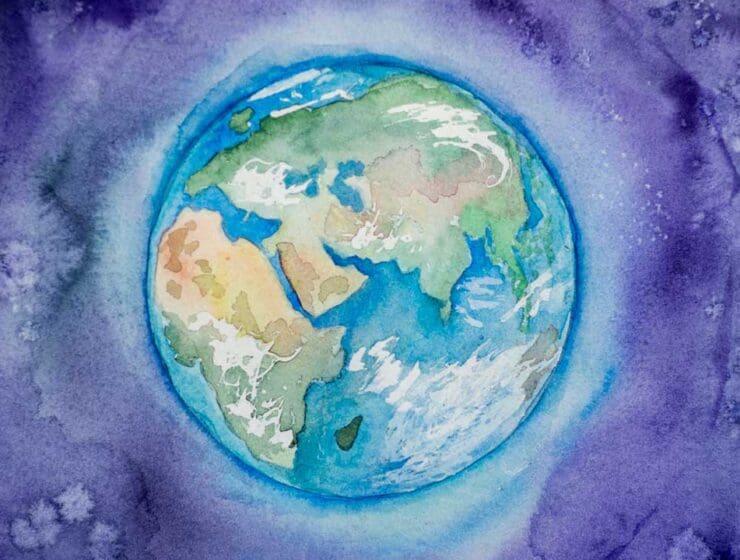
Engineers knit together to create highly orchestrated agile teams, meeting together for daily standups, code review and collaborations, all of which must be approached differently in a remote setting.
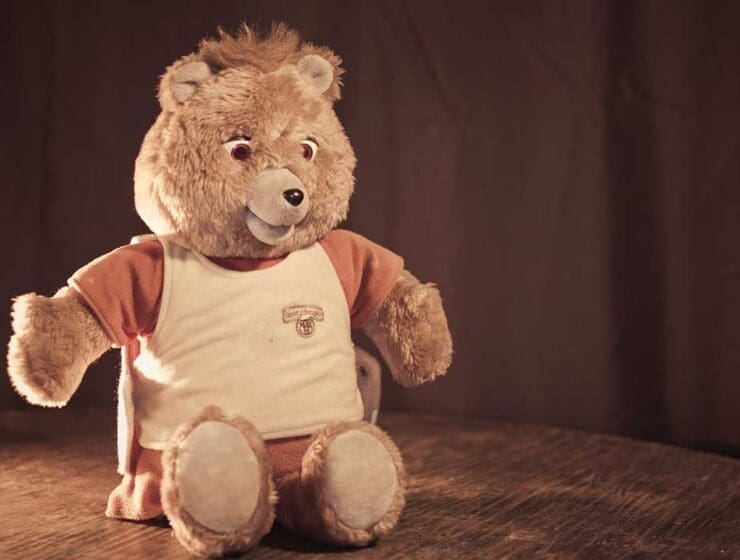
During 2020 and 2021, we’ve seen nostalgia everywhere. It makes sense, right? There’s no better time to pine for the past and relive happy memories than when we’re stuck at home during lockdown. Nostalgia has made its way into every walk of life, from our wardrobes to our Instagram feeds.

In a digital-first world shouldn’t your digital experience be completely cohesive with your brand? I explored this recently in a webinar called For Tech’s Sake: Where Does Brand Sit In Tech Obsessed Digital Marketing and that led to an interesting conversation with Dom Boyd, MD of Insights and Offer at Kantar UK.
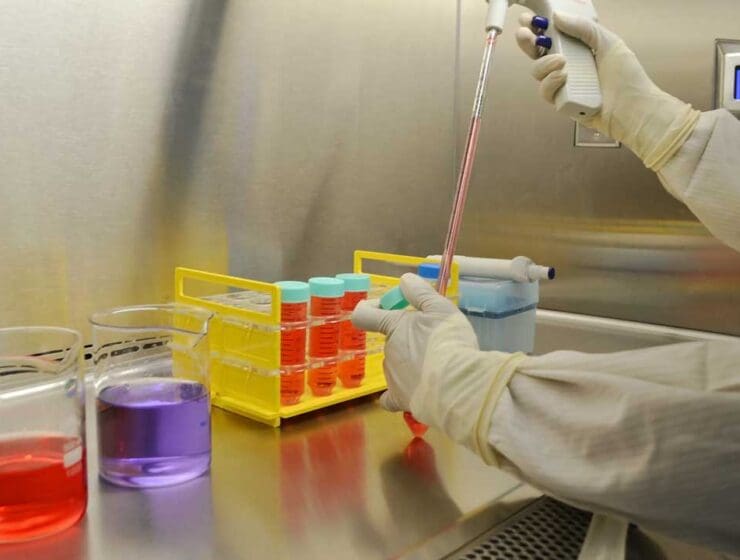
Whether it’s farmers, stockbrokers, sports team executives, or pilots, people and things perform better when data, algorithms, and science guide them.

Since my previous story for AWMoms last year, the pandemic brought us to “Plan C”. (Spoiler alert- it hasn’t been horrible.)
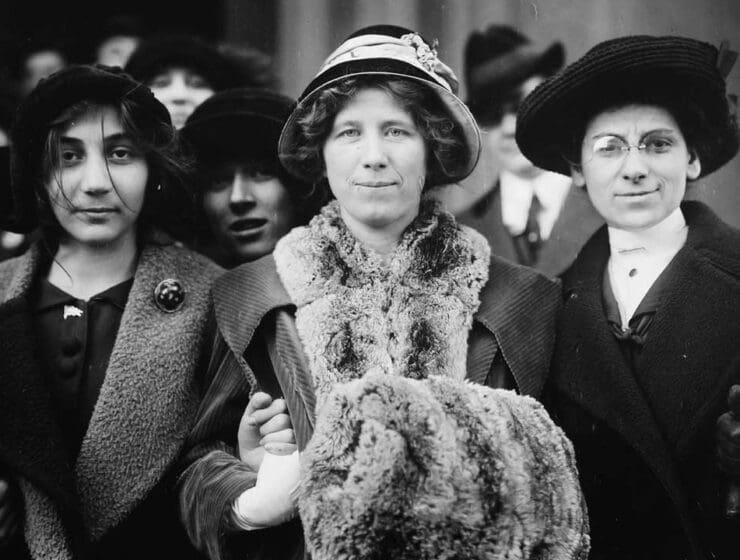
With 5.4 million women losing their jobs since the pandemic hit, it’s not good enough to pat women on the back and provide words of encouragement about change and support. Businesses need to provide real opportunities to help women get back on track and progress in their careers.

We know that half of the digital ad spend is impacted negatively by fraud. The industry has remained tolerant of fraud, which impacts the smallest to largest media outlets. In fact, Facebook announced that it deleted 4.5 billion fake accounts in the first nine months of 2020 alone.
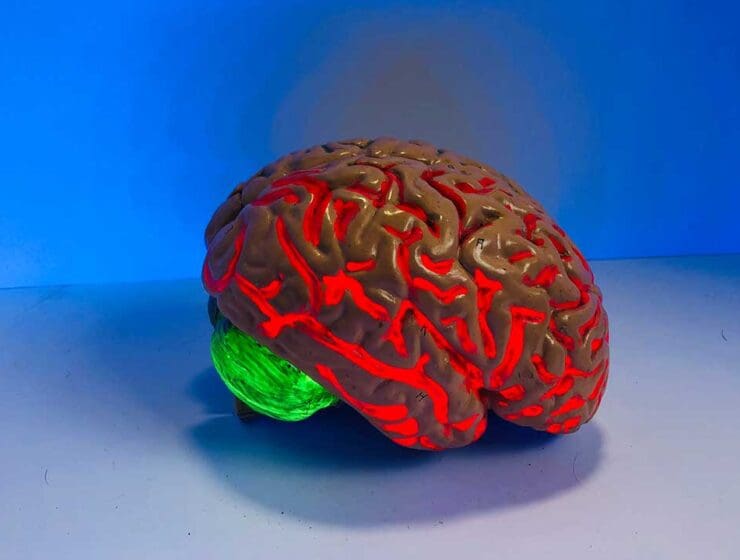
Wake up. Eat breakfast. Get ready for work. Check email. Respond to requests. Do the job you were assigned. Finish. Eat. Relax. Repeat.
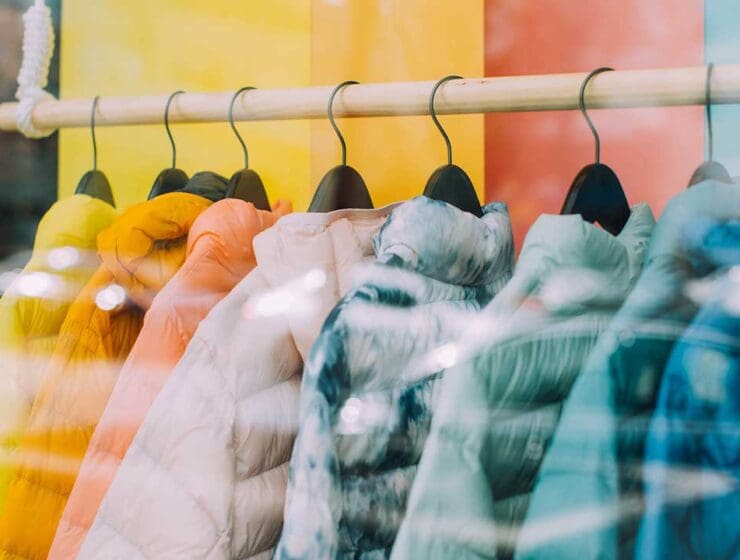
While the future of retail remains unclear, there’s no denying that more changes are on the horizon. By accepting that things won’t go back to how they were before the pandemic, retail leaders can stay agile and ready to meet the needs of both customers and employees.

While it’s disappointing that festivals and concerts haven’t been able to attempt hosting events in-person amid the pandemic, it’s important to remember the struggles and lessons that various sports teams have learned throughout the process and how they’re essentially paving the way for other industries to successfully commence again.

AWMoms are women focused on creating conversations, increasing collaborations and supporting actionable initiatives which will help find real solutions to parenting issues in the workplace.

Consumer spending in China could more than double over the next 10 years, according to Morgan Stanley. But Chinese consumers are already buoying retailers that offer compelling products.

In order to reach audiences with something stronger than a numerical probability, advertisers are going to have to look for entirely new ways to connect with individual consumers.

This past year has forced me as a founder and CEO to redefine several constructs I used to regard as dogma. Take the concept of wealth: in the traditional sense, wealth is an abundance of money or earthly possessions.
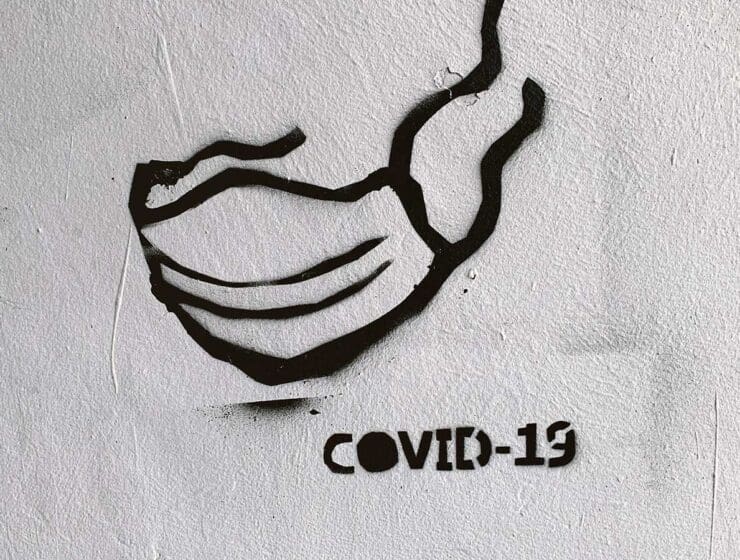
The past 12 months have been a personal and professional rollercoaster for all Americans, and brands have been doing their best to ride the ups and downs with them.
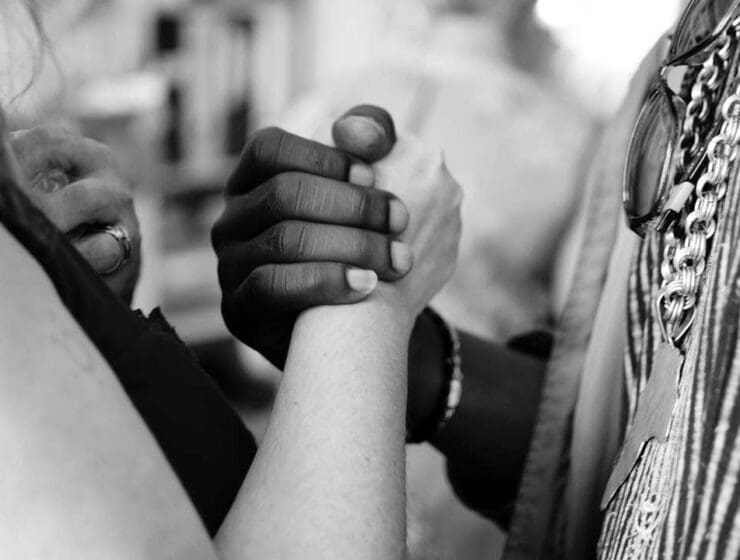
With such a fine line between authenticity and performative activism, how can we help ensure brands approach these important conversations in a way that moves the needle forward, not only for business success but for the progression of the movement?
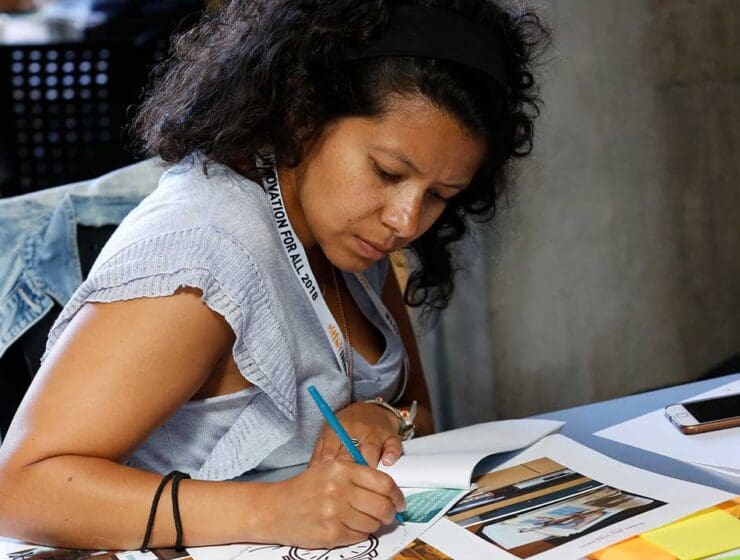
Last year, on International Women’s Day 2020, a female-led team at AnalogFolk launched BigUp.AI – a digital language tool that gives women the confidence to get ahead in their career by helping them express their strengths with impact instead of downplaying them.

I believe there are five trends that have either emerged or will continue to emerge as we move into the post-COVID era which can inform how we craft content and target advertising, designed to engage potential guests.
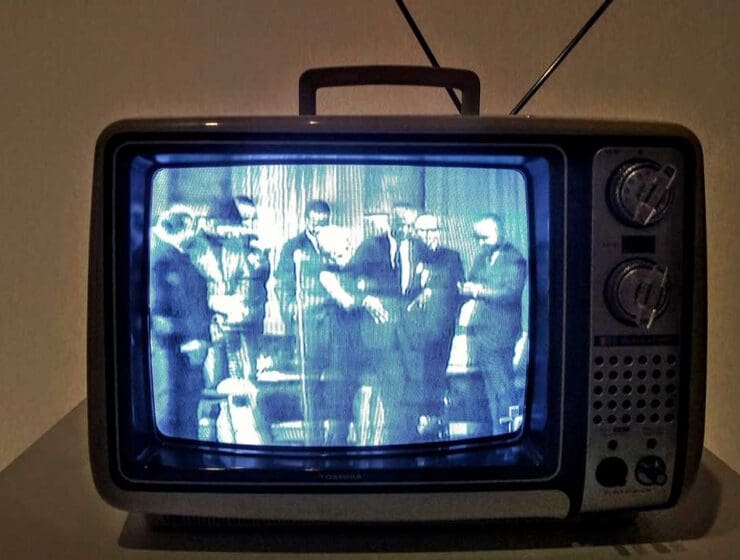
A balanced media mix will always be important to advertising. But driving business growth relies on facts you can trust, and our research underlines just how powerful TV continues to be.
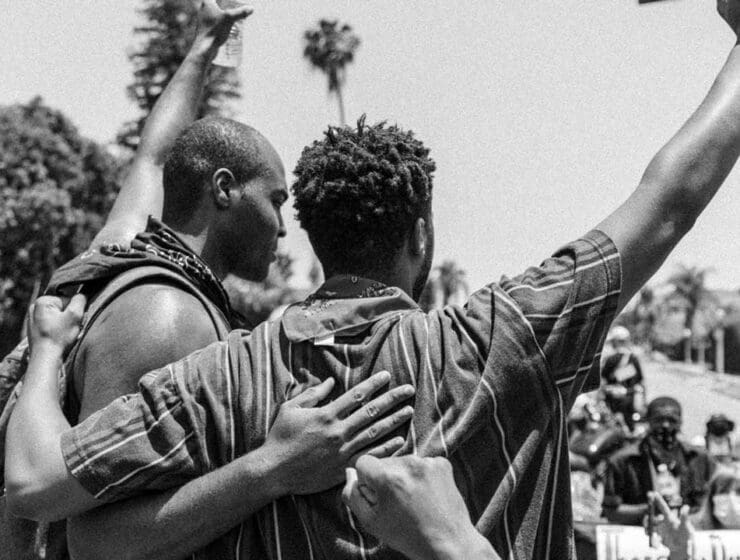
In years past, diversity, equity and inclusion were causally applied in the experiential marketing industry. The social events of 2020, however, have created a spirit of intentionality.
Clubhouse, a new invite-only “drop-in audio chat” app available on iOS, is gaining momentum. Launched in March 2020, Clubhouse is the latest platform making brand marketers take notice of the power of audio as a communication channel.

It’s Black History Month and the traditional time for brands to roll out their marketing efforts and key into the demographic around this space.
Today more than ever, organizations need to put their customers at the center of their marketing programs and build plans based on a deep understanding of where and how they can deliver the most value.

The words businesses are using are under a microscope. And that means brands need to make sure that what they’re saying – and how they’re saying it – stands up to scrutiny. So how do you make sure your words are fit for purpose, no matter what 2021 throws at us?

With increasing awareness around mental health for Gen Z and Millennials, brands have a distinct opportunity and also a responsibility to connect with younger consumers by more accurately reflecting the realities of how and why these generations prioritize their mental wellbeing.

Throughout all of these events, the impact on the daily lives of Americans was profound. The compounding crises altered how we work, how we learn, how we entertain ourselves and even how we think about social issues.

In this article, we will focus on high-powered messaging, although frequent messaging is rather straight forward as businesses engage in frequent, cross-channel advertising to catch the consumer near or at the point of consumption.

In this article, we will focus on high-powered messaging, although frequent messaging is rather straight forward as businesses engage in frequent, cross-channel advertising to catch the consumer near or at the point of consumption.

We know it as consumers as well as marketers: the COVID pandemic precipitated profound social, economic, technological and behavioral changes in 2020.
As brands seek to continue transforming at speed, they require a new set of tools to build a structure that will withstand shake-ups in the digital landscape.
The pandemic turned work-life on its head. We’re caught in the tumbling load of a never-ending workday, pinballing between Zoom and Slack, duking it out with the family for WiFi, dishes piling up around us in our office…er…kitchen, and just trying to hold it together while we just. take. a. minute. to. remember. what. day. it. is.

Of all the common themes in science fiction – spaceship battles, alien invasions, colonized planets – the most tenacious might be the question of what happens when machines become more like people.
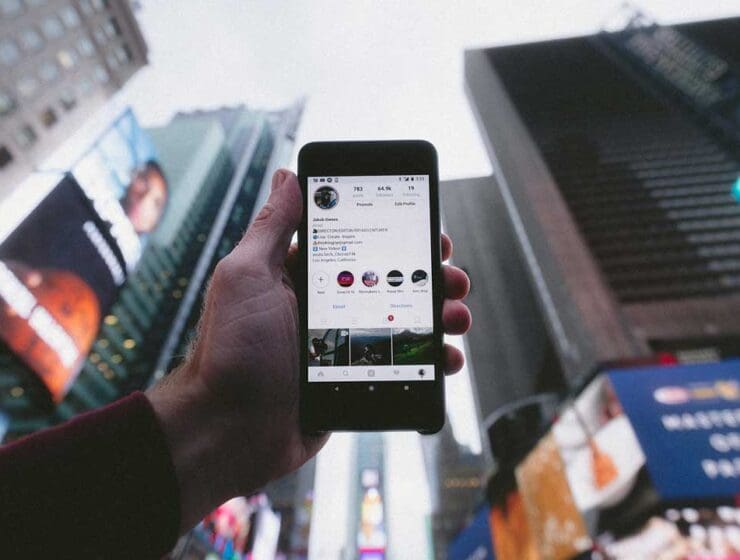
Last year was the year we lived vicariously through social media. Cooped up indoors, it was our portal to the outside world, removing the miles between us and our friends, family and colleagues.

Years from now, when historians and cultural anthropologists look back at the 2021 Super Bowl ads, what will they glean about our culture today?

Though Facebook and Apple have been taking jabs at each other for years, the past two years seems to have been an acceleration toward an unavoidable crash. One that the industry has been nervously watching.
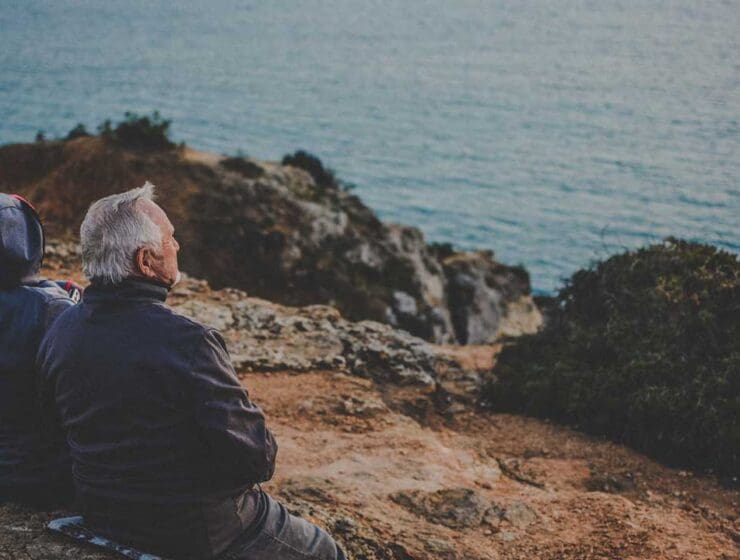
Within the advertising world, there is an inherent stigma associated with targeting older consumers. Too often marketers believe their next job lies in reaching young, hip consumers rather than focusing on the customers that are going to translate to the most sales today.

Times of crisis lead to spikes in innovation and enterprise. And times of global crisis lead to global changes.

The Super Bowl is the single biggest entertainment event in the United States, and has always been a cornerstone strategy for brands to reach a massive audience in a brand-safe environment (wardrobe malfunctions notwithstanding).

Concept testing, whether it’s for early ideas or for alpha and beta testing of new products and devices, can help companies avoid expensive failures and maximize new revenue streams.

Amanda Follit knows the effect of hearing the wrong words at the wrong time: “Many moons ago, I was put off anything to do with computers by just one teacher, and that changed the path I took for a while,” she recalls.

Technology is transforming the creative space. Wripple is the first agency services platform that lets you find expert, on-demand teams. We interviewed Co-Founder Ray Samuels for more insight into the mission to make it easier to find and hire talent and what this means for space in 2021.
2021 marketing predictions are two a penny. As an alternative, I suggest you create a calendar for what you want to achieve, then do it.
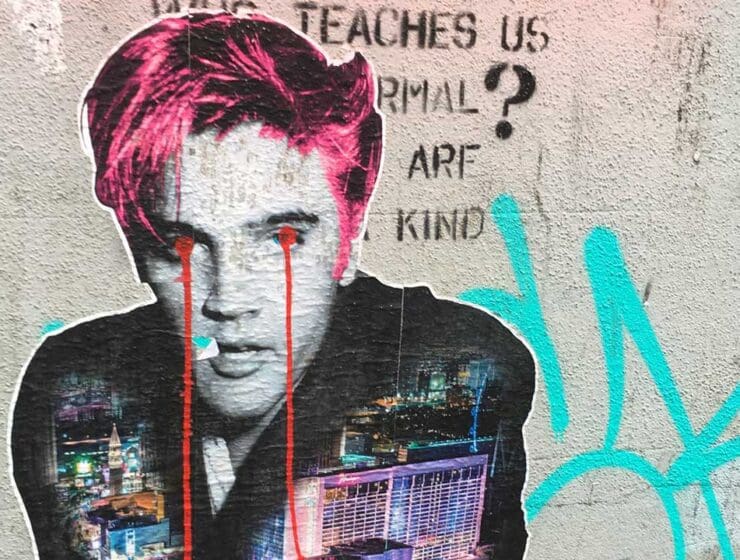
Our insatiable desire for instant gratification is now being met more often than not. So what does that mean for 2021?

We are taking a stance on issues like never before. But what is really driving our actions? The answer isn’t always clear. Understanding hidden, personal biases and how they motivate people has been at the root of marketing and advertising for decades.

As we approach 2021 with little confidence in things returning to normal any time soon, is it time for brands to help add some much-needed friction back into people’s lives?

2020 was a year of challenges, but also, a year of learnings… sometimes the hard way. Suddenly, everything in our agencies changed, and we had to learn how to communicate, brainstorm, chat, present, produce… everything we used to do, but we had to learn how to do in a completely different way, and from a distance—remotely.

Right now the economy is pretty much shattered, the weather is appalling and we’re all high-security imprisoned in our homes. What’s to look forward to?
Below is a ‘how-to guide’ of practical tips to reduce experiential’s environmental impact. Whether you decide to implement them all or begin with just a few, every step taken is a valuable one.

Screen time can trigger migraines and tension-based headaches. Dr. Charisse Litchman explains how to stop them before they start.

Collaboration comes in many forms and for the purposes of this discussion, we are going to focus on the benefits of collaborative marketing.

While it would be a big stretch to suggest that brands can fix society’s problems, who’s better suited than marketers to offer messages of reassurance—or even joy. To shift the conversation to what’s next and how we’ll get there, we’ll need brand leadership, rooted in something besides platitudes.

Our recent research revealed that 84% of consumers surveyed in the US and UK think their behaviours and habits have already changed for the foreseeable in the light of COVID-19, and these changes go beyond online shopping habits.

They are sick of it (it = all the things) but are making things happen. They are trying to figure out how to help themselves and the world all at the same time. They are frustrated but fierce, tired but tireless, fearful but powerful.
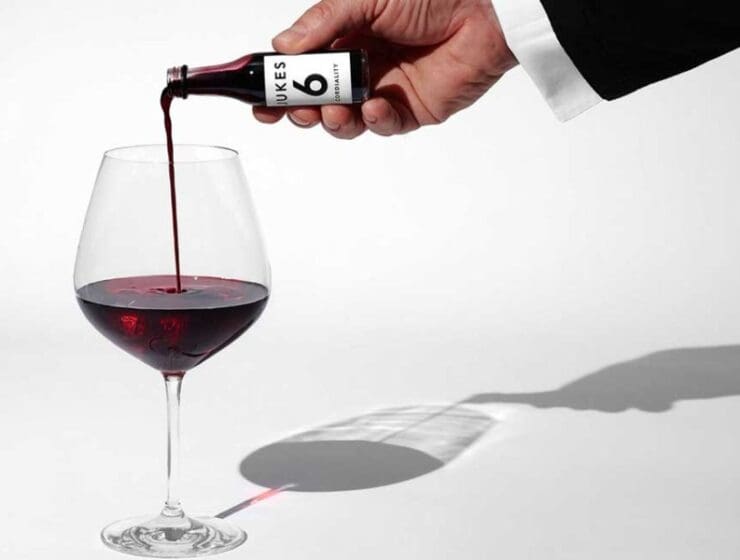
The brand needed a suite of both product photography and lifestyle photography to be used across its website, social channels and PR campaigns. With no pre-existing assets, the Wonderhatch team had a clean slate to work from.

Our latest AWMoms Table Talk, Raising Good Humans, features Dr. Aliza Pressman of The Raising Good Humans Podcast in conversation with UWG’s Monique Nelson and Facebook’s Crystal Worthem.

For the August, 2020 AWMoms Table Talk, Heidi Levyn, Industry Manager, E-Commerce at Facebook speaks with Eve Rodsky, Author of Fair Play: A Game-Changing Solution For When You Have Too Much To Do (And More Life To Live)

Kids of all ages are no longer going to school, daycare, extra-curricular, or occupied by babysitters. While the family time and chance to grow alongside their children is appreciated, for many mothers it’s a 24-hour, 7 days-a-week job that has moms everywhere feeling the emotional and physical fatigue.

The lockdown has given non-parents a window into just how challenging juggling parenting and work can be. It may be physically and emotionally draining, yet we parents are managing. That’s what we do.

To celebrate Mother’s Day 2020, Advertising Week and Facebook joined forces for AWMoms Table Talk, featuring casual discussions between working mothers in the industry.

Stephanie Latham currently leads the Technology, Mobility & Connectivity Sales Teams at Facebook; her story for AWMoms is nothing short of a must-read.

My story is less of an example of successfully returning to the workplace and resuming a promising career, but more a story of successfully creating, accepting and thriving with “Plan B”.

Through the darkness of the pandemic, the idea of someday being able to tell our little boy, Wyatt, about the magic of his arrival is a thought that shines through.
AWMoms is a committee of moms supported by Advertising Week who work inside and outside of the home; for themselves, for organizations, corporations, and their families.

AWMoms is a committee of moms supported by Advertising Week who work inside and outside of the home; for themselves, for organizations, corporations, and their families.

AWMoms is a committee of moms supported by Advertising Week who work inside and outside of the home; for themselves, for organizations, corporations, and their families.

AWMoms is a committee of moms supported by Advertising Week who work inside and outside of the home; for themselves, for organizations, corporations, and their families.

AWMoms is a committee of moms supported by Advertising Week who work inside and outside of the home; for themselves, for organizations, corporations and their families.

AWMoms is a committee of moms supported by Advertising Week who work inside and outside of the home; for themselves, for organizations, corporations and their families.

AWMoms is a committee of moms supported by Advertising Week who work inside and outside of the home; for themselves, for organizations, corporations and for their families.

AWMoms is a committee of moms supported by Advertising Week who work inside and outside of the home; for themselves, for organizations, corporations and for their families.

AWMoms is a committee of moms supported by Advertising Week who work inside and outside of the home; for themselves, for organizations, corporations, and their families.

AWMoms is a committee of moms supported by Advertising Week who work inside and outside of the home; for themselves, for organizations, corporations and for their families.

As part of our ongoing commitment to telling the stories of industry mothers, we spoke with Carly Hertica. Carly has worked in development and fundraising for non-profits since graduating from Manhattan College in 2012.

As part of our ongoing commitment to telling the stories of industry mothers, we spoke with Gina Garrubbo, single mother and CEO of National Public Media.

AWMoms is a committee of moms supported by Advertising Week who work inside and outside of the home; for themselves, for organizations, corporations and for their families.

AWMoms is a committee of moms supported by Advertising Week who work inside and outside of the home; for themselves, for organizations, corporations and for their families.

Moms in the workplace shape the future every day, whether it’s at their job or at home, growing future leaders and innovators. Working moms are more than just “mommy” or “boss”. They’re superheroes.

In the business world, Mother’s Day has become a time to critically reflect on the gap that still exists in creating a supportive culture and opportunity for working moms.