




The End of the Volume Game: Why Social Marketing Is Swinging Back to Brand Building

By R. Larsson, Advertising Week
For much of the last decade, social media marketing has been driven by a simple assumption: more is better. More content, more creators, more trends, more opportunities to satisfy the algorithm. The rise of TikTok accelerated that thinking, pushing brands toward an always-on model where speed and scale often mattered more than strategy. Yet as feeds have become increasingly crowded and audiences more selective, many marketers are discovering that volume alone is no longer enough.
A growing number of brands are returning to a more fundamental question: what are we actually trying to say?
That shift reflects a broader evolution in the role social plays within marketing. Once considered an extension of television, out-of-home, or campaign-driven creative, social has become the primary place where consumers experience a brand. It is often the most visible, most active, and most frequently updated expression of a company’s identity. As a result, brands can no longer afford to treat social as a distribution channel designed purely to generate engagement. It has become the front door.
The challenge is that the incentives of social platforms do not always align with the goals of brand building. Algorithms reward familiarity and repetition, encouraging marketers to double down on content formats that are already performing well. While that can produce impressive short-term metrics, it often creates an echo chamber where brands repeatedly serve the same audience rather than attracting new ones. Legacy brands, in particular, can find themselves trapped by their own success, generating strong engagement from loyal customers while struggling to connect with younger consumers who will drive future growth.
Breaking out of that cycle requires a willingness to sacrifice short-term performance in pursuit of longer-term relevance. Reaching new audiences often means changing the conversation, experimenting with different creative approaches, and telling stories that may not immediately outperform the content that came before them. The payoff is not instant, but neither is meaningful brand growth.
Much of this tension can be traced back to the influence of TikTok and the creator economy. Unlike earlier social platforms that were built around communities and follower relationships, TikTok popularized an interest-based discovery model where content could find an audience regardless of who posted it. That fundamentally changed how brands approached social, encouraging them to produce more content for more niche audiences and invest heavily in creator partnerships. The result was unprecedented scale, but also a growing challenge around differentiation. When every brand is chasing the same trends and using the same formats, standing out becomes increasingly difficult.
The brands creating lasting impact today are not necessarily the ones moving fastest. They are the ones with the clearest point of view. Rather than asking how they can participate in every trend, they focus on how they should show up in a particular moment. Cultural relevance becomes less about reacting and more about understanding the role a brand can authentically play within a conversation. Consumers have become remarkably adept at spotting the difference.
That requires marketers to think about social as a complete brand experience rather than a collection of isolated posts. Always-on content still matters, as do creator partnerships and performance-driven tactics, but the strongest brands combine those elements with larger cultural moments, unexpected collaborations, and increasingly, real-world experiences designed to generate social conversation. Success comes not from a single piece of content but from creating a consistent and recognizable presence across every touchpoint.
This shift may become even more pronounced as AI continues to reshape the industry. Content creation is rapidly becoming cheaper, faster, and more accessible. AI can generate copy, produce imagery, edit video, and help marketers scale content operations in ways that would have been impossible only a few years ago. What it cannot easily replicate is taste. It cannot consistently determine what a brand should stand for, identify the cultural nuances that make an idea resonate, or curate the moments that truly capture attention.
As content creation becomes commoditized, curation becomes more valuable. The agencies and brands that thrive in the coming years are unlikely to be those producing the most content. They will be the ones making the best decisions about what content deserves to exist in the first place.
In many ways, social marketing is returning to its roots. Before the race for scale took over, social was about building communities, expressing personality, and creating meaningful connections between brands and people. Those fundamentals never disappeared. They were simply overshadowed by the pursuit of volume. Now, as AI lowers the barriers to content creation and audiences grow increasingly resistant to formulaic marketing, the brands that succeed will be the ones willing to stand for something distinctive, tell stories that matter, and remember that social is ultimately a brand-building discipline, not just a performance channel.
Want to learn more? Check out this podcast on the topic:
You May Also Like
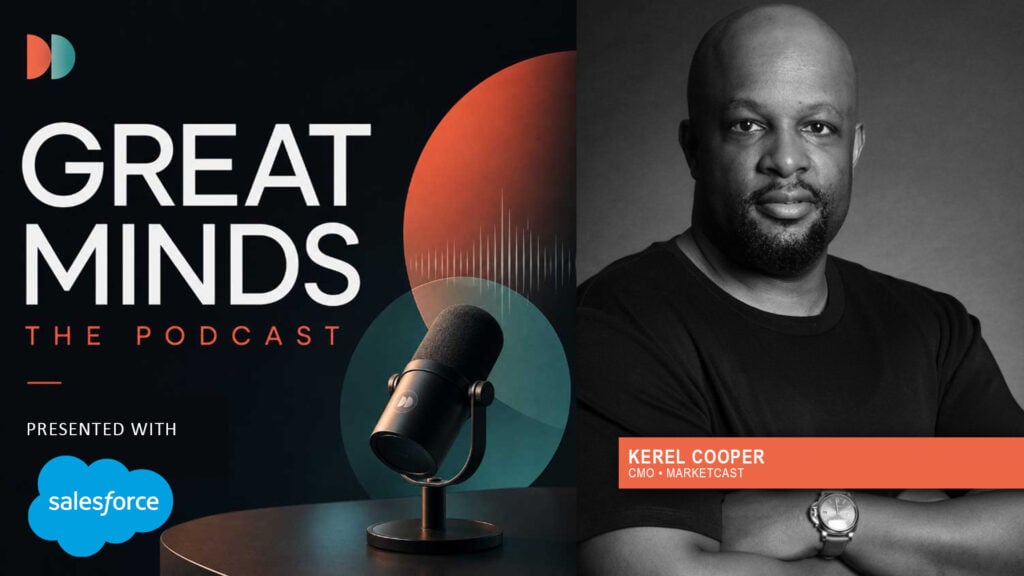
What the Dashboard Can’t Tell You About People Featuring Kerel Cooper of MarketCast
Joining us is Kerel Cooper, Chief Marketing Officer at MarketCast. Kerel shares why he believes marketers can learn from the strongest consumer brands and how human judgment should guide the use of AI in creative work.
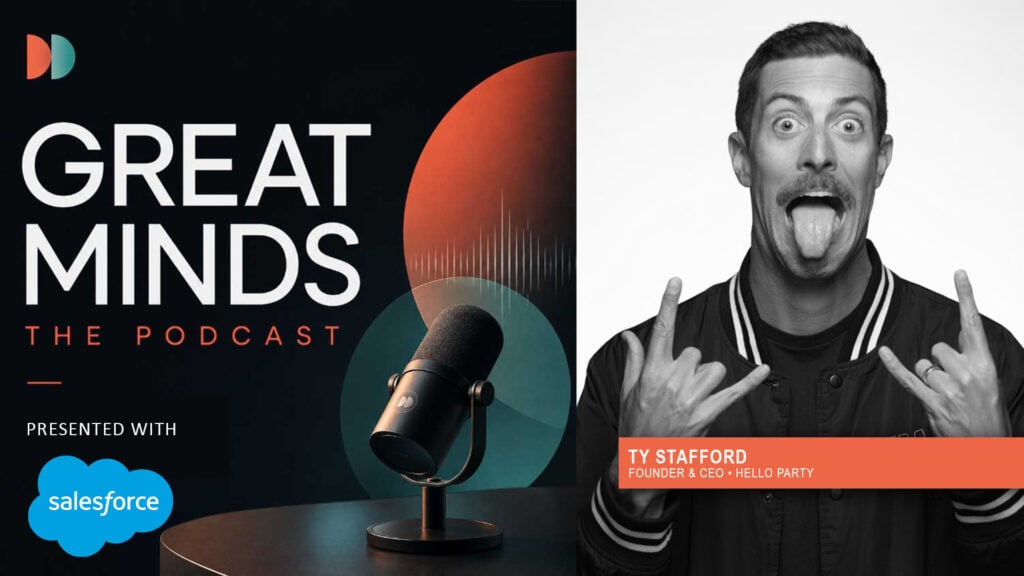
Would You Share It If You Didn’t Work Here? Featuring Ty Stafford of Hello Party
Joining us is Ty Stafford, Founder and CEO of Hello Party, whose experience spans making YouTube videos in his dorm room and working at Red Bull Media House.

From the Conference Floor to the Boardroom: How Kindle Scribe Is Changing the Way Executives Capture Ideas
At Advertising Week New York 2026, Amazon’s Kindle Scribe offers a glimpse into how business leaders are combining the familiarity of handwritten notes with the convenience of digital technology to make the most of an increasingly demanding professional world.