
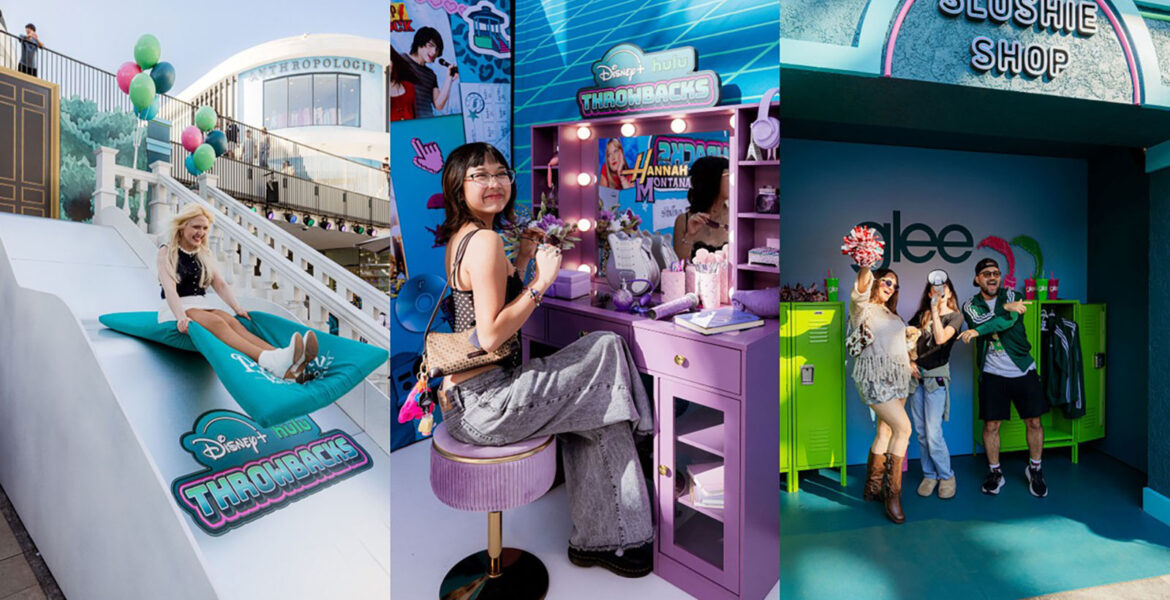
New research reveals the mall has become Gen Z’s modern third space, and redefining the playbook for brand connection with Gen Z.
By Kristen Jackman, SVP, Westfield Rise US
For years, Gen Z was cast as the generation that would leave malls behind. Turns out, they didn’t—they redefined them. And now, the data backs it up.
New joint research from Sunnie, Hello Sunshine’s Gen Z-focused media and lifestyle brand, and Westfield Rise finds that as loneliness and social isolation continue to rise, Gen Z is actively reclaiming shared physical spaces, and the mall sits at the center of that reclamation. In a culture shaped by algorithms and infinite scroll, they’re craving something the feed can’t give them: the feeling of being somewhere.
For brands, entertainment companies, and creators, this is not a nostalgia play. It’s a strategic imperative.
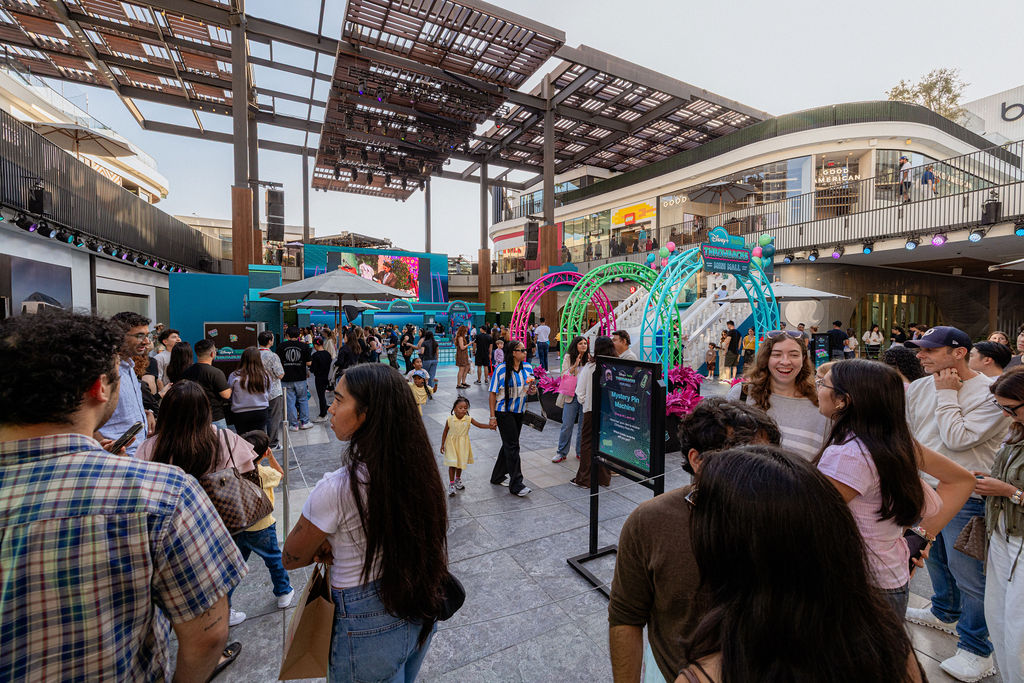 The Mall Is The Hangout
The research conducted across a nationally representative sample and on-site Gen Z intercepts at Westfield Century City found that 73% of Gen Z say the mall is their top place to hang with friends. Seventy-two percent say they would still go to the mall even if they couldn’t buy anything.
Let that sink in. The transactional case for the mall has always been obvious. What’s new is the social one. Gen Z isn’t coming to the mall with a shopping list. They’re coming with nowhere else they’d rather be.
Our research describes the mall as an offline group chat; a space where people show up without a plan and stay because something keeps surprising them. And that serendipity has a commercial edge: 92% say they’re open to discovering something new at the mall, 83% are likely to try or buy something unplanned, and respondents were 10% more likely to discover a brand they ended up loving at the mall than on TikTok.
That last number bears repeating. More than TikTok. In an algorithm-driven world, physical discovery is proving more powerful than ever.
 Brand Love Happens IRL
What’s driving Gen Z back to physical space isn’t retail; it’s culture. And brands that understand the difference are showing up in ways that create genuine emotional resonance, not just impressions.
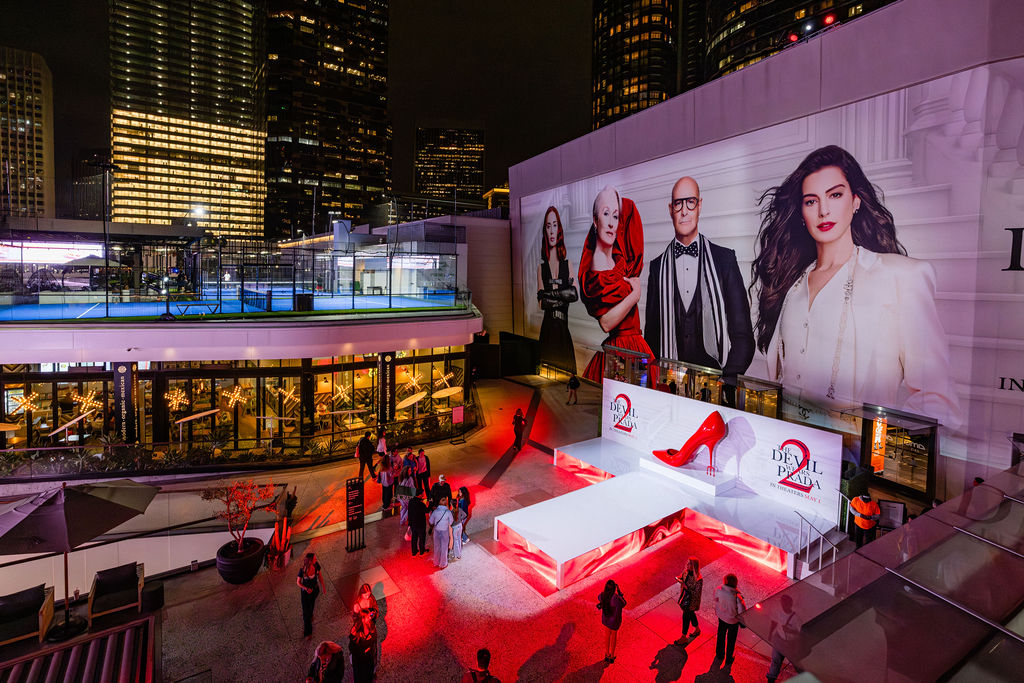
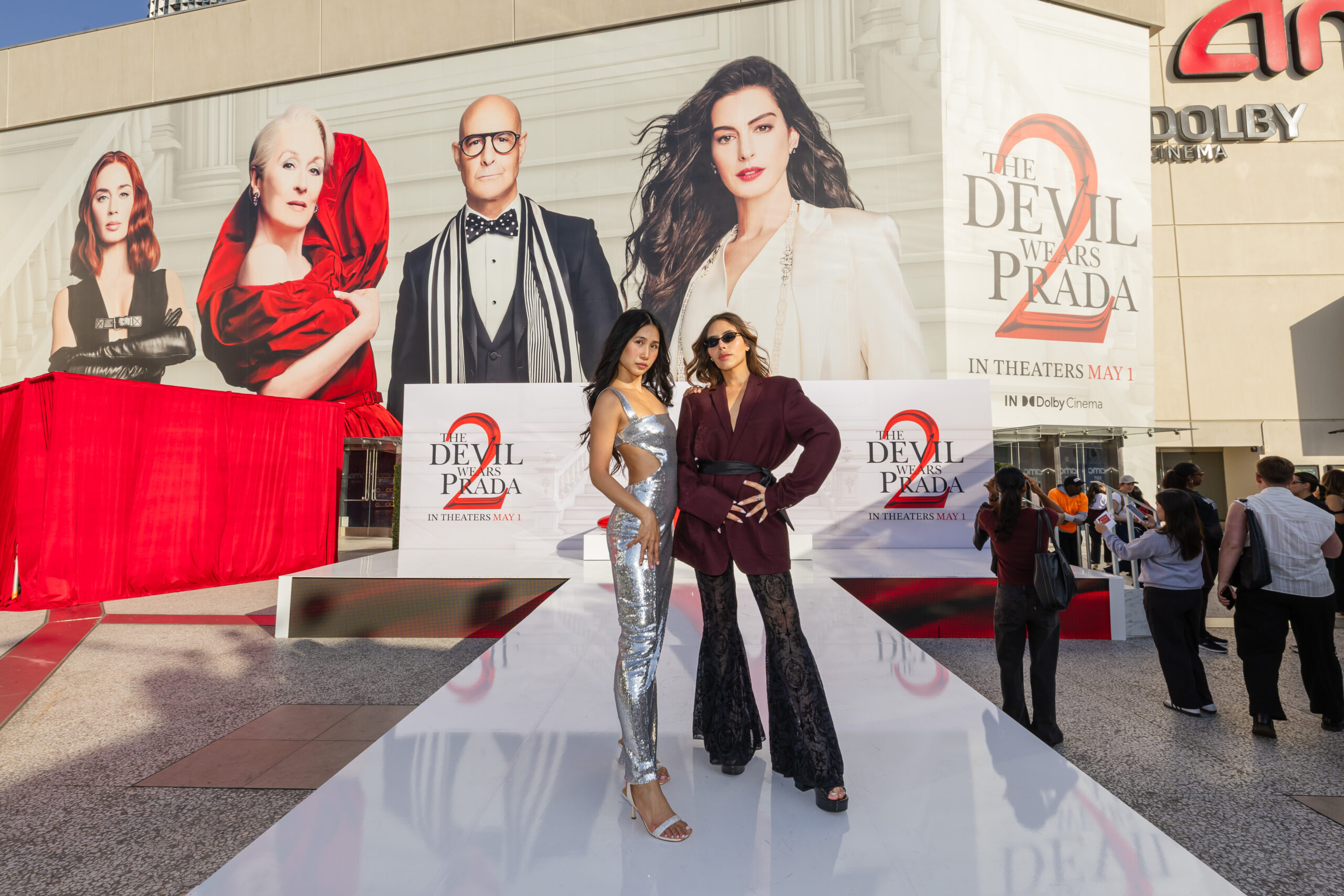
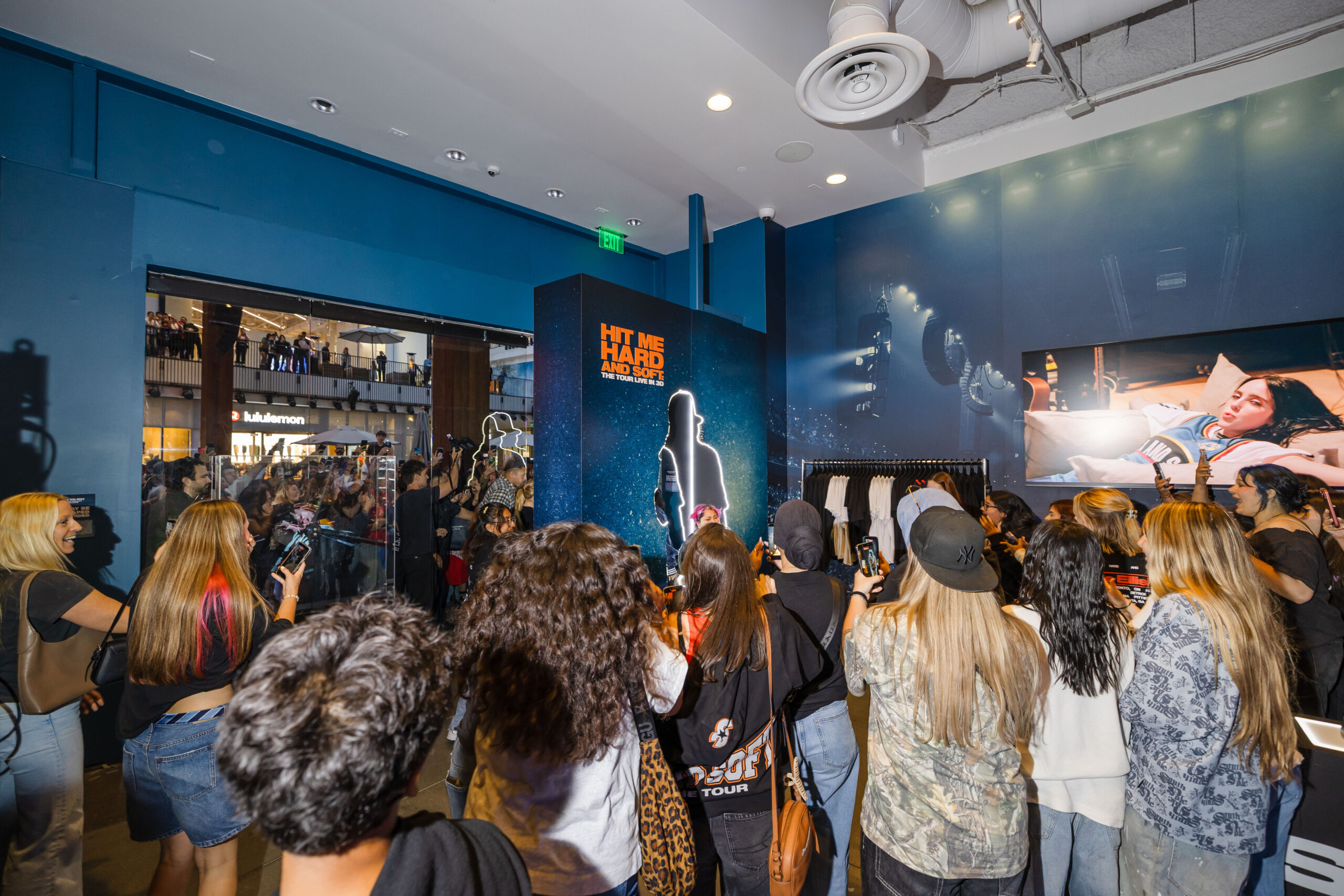
At Westfield Century City, we’ve watched this play out across some of the most culturally charged activations. Disney’s The Devil Wears Prada 2 premiere transformed the property into a full-scale fashion moment with a runway installation, digital mirror experience, and a building wrap visible across the Century City skyline. Apple TV turned two weekends into a content destination where over 20,000 people showed up to co-create, customizing merchandise from their favorite Apple TV franchise. Billie Eilish fans gathered for a multi-day immersive pop-up tied to Hit Me Hard and Soft: The Tour, culminating in surprise appearances by Billie herself at the AMC just steps away.
These aren’t media buys. They’re cultural events that happen to live inside a mall. The distinction matters.
 Gen Z Doesn’t Want to Watch. They Want In.
One of the clearest findings from our research is that co-creation isn’t a bonus for Gen Z. It’s the expectation. They want to be part of the moment, not a passive audience for it.
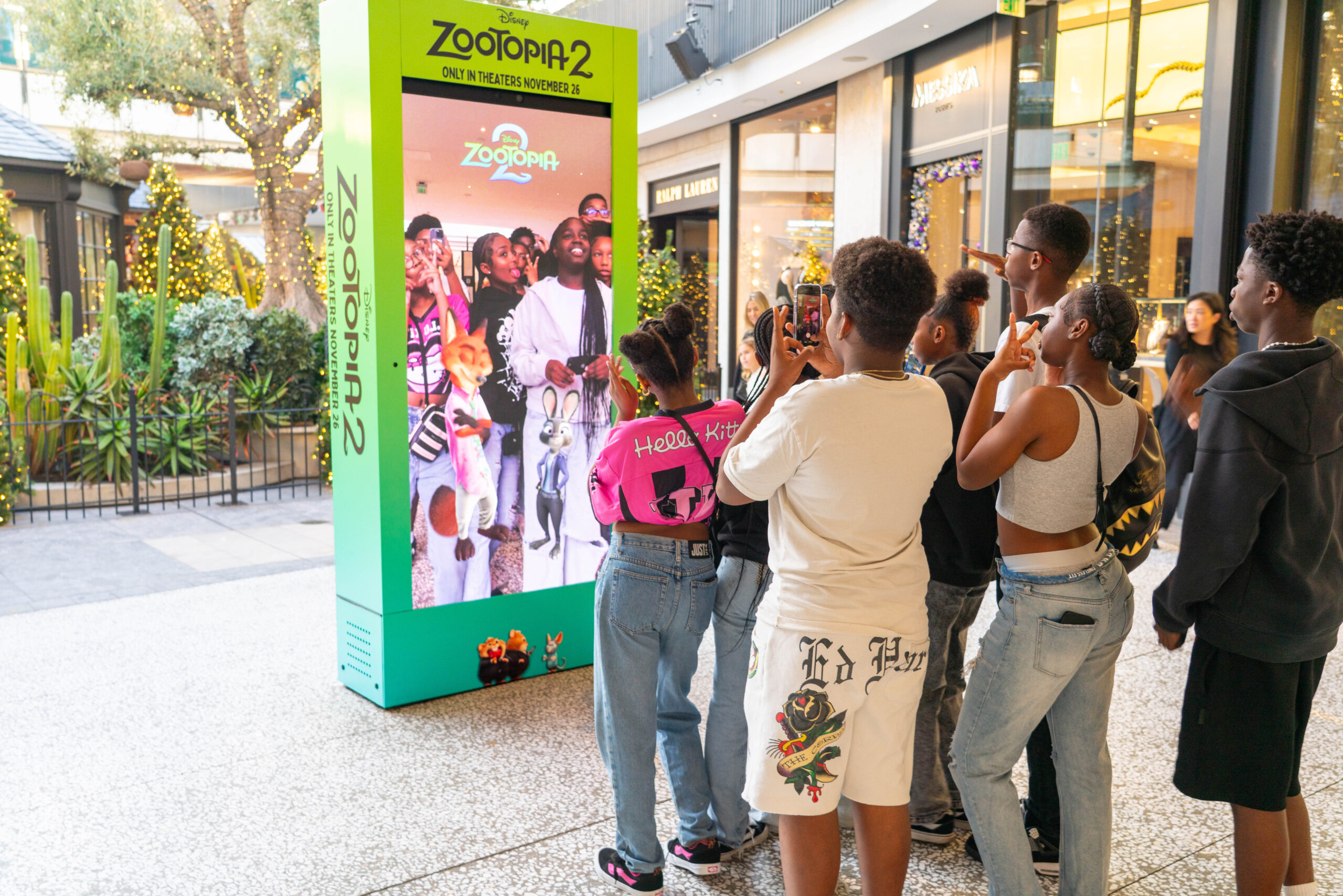
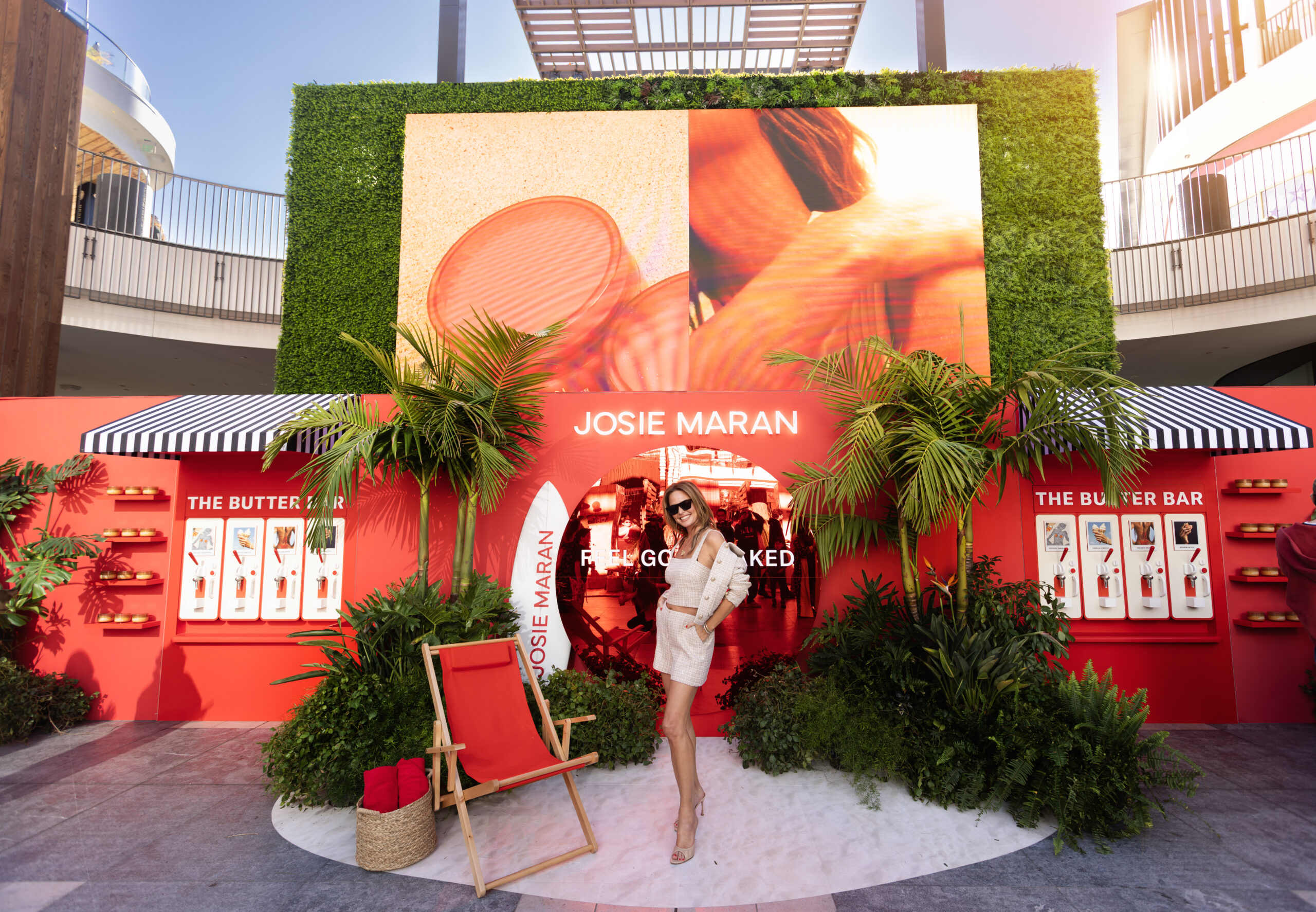
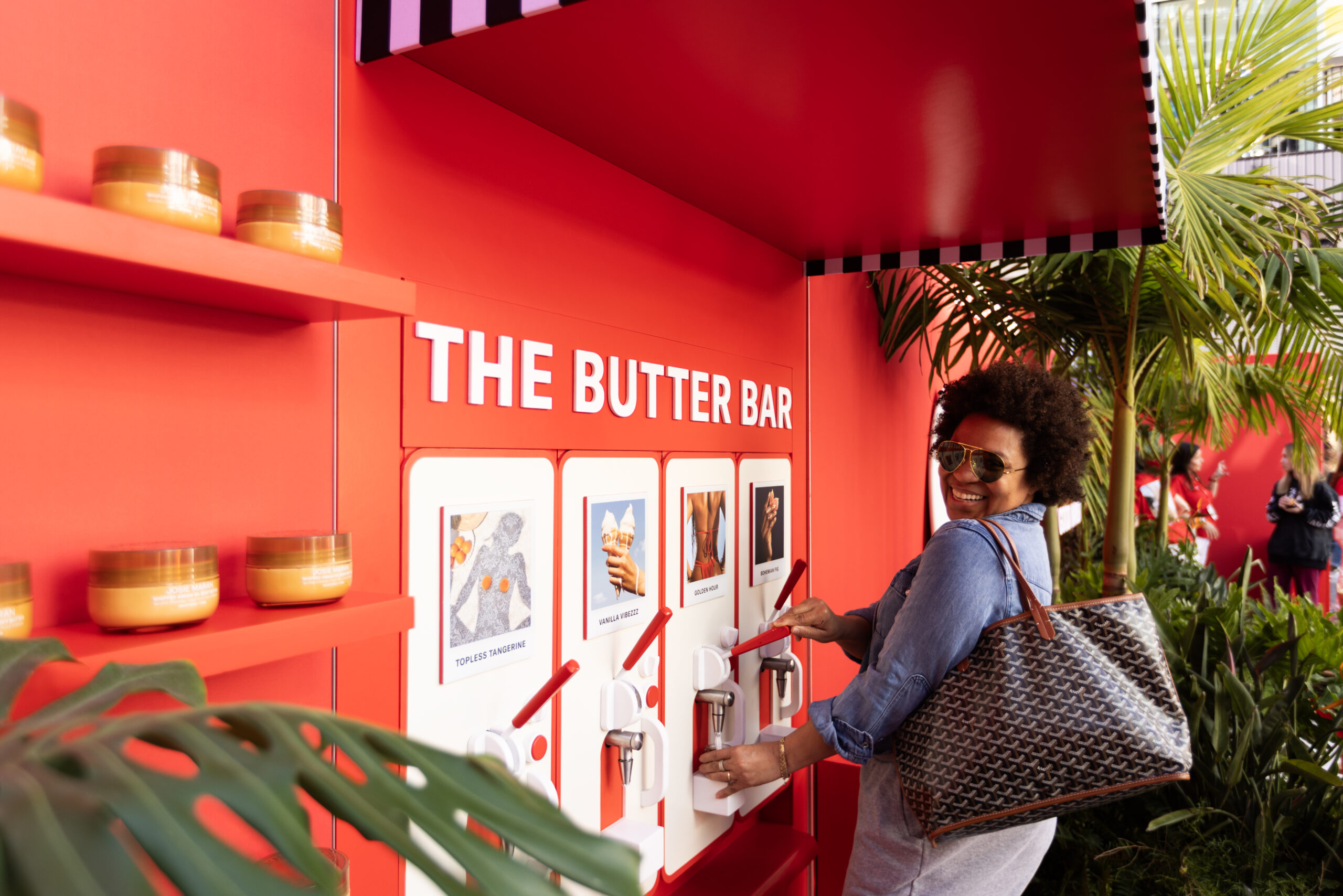
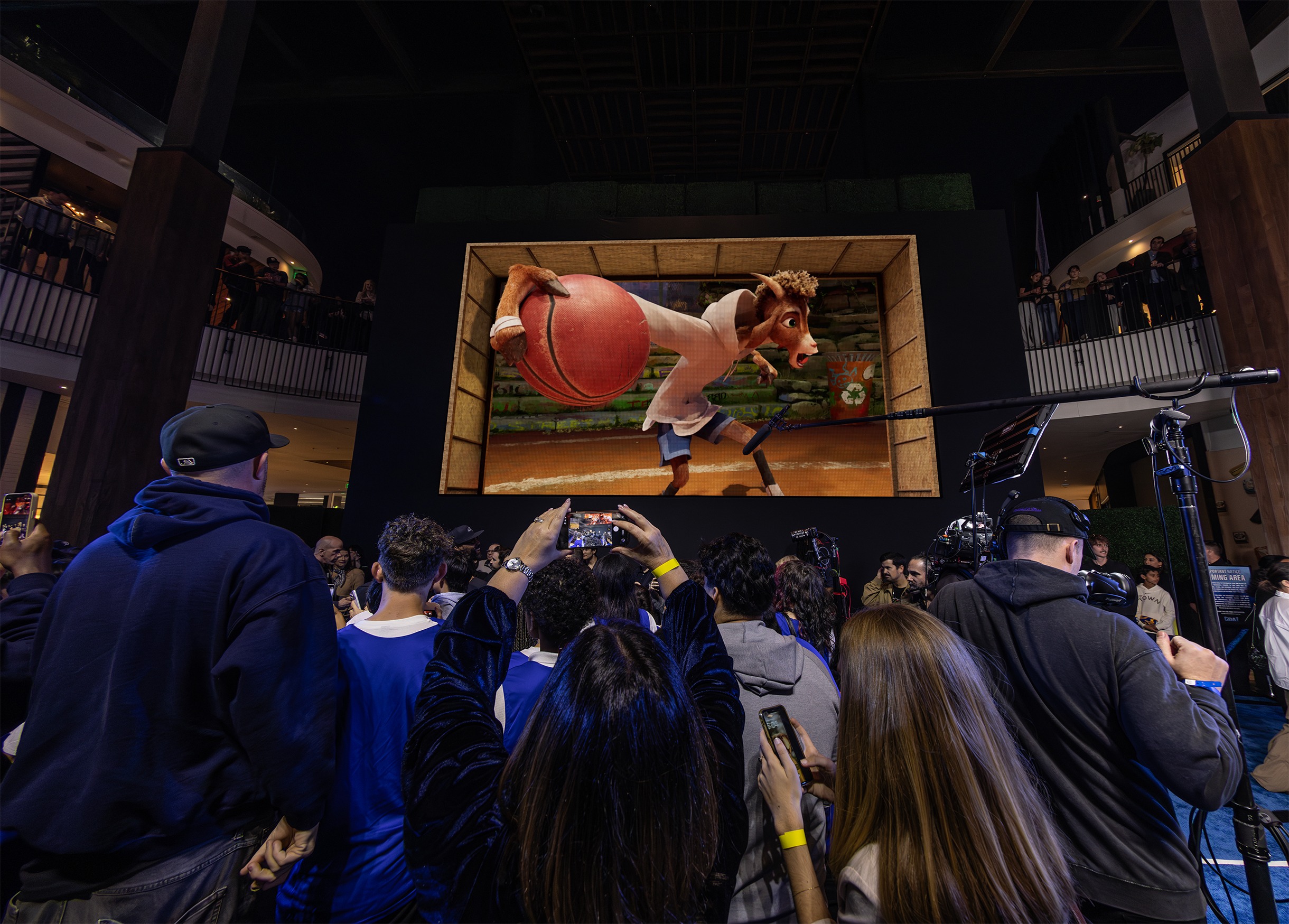
That means the most effective activations are ones where the consumer is also the content. Zootopia 2’s takeover of Century City with Snap-powered AR letting families step into the world of the film alongside characters from the movie wasn’t just a screen-to-physical extension. It was participatory storytelling at scale. Josie Maran’s Butter Bar Weekend, with its sensory-first product experience and live DJ, sent thousands of guests into the weekend with content still rolling in the next day.
 For brands that have spent years optimizing for reach, this requires a shift in thinking. Gen Z isn’t measuring impact in eyeballs. They’re measuring it in energy; in whether a moment had atmosphere, momentum, and something worth sharing. The metric isn’t impressions; it’s whether someone texted their friend about it.
 The Mall as a Media Platform
What’s making all of this possible isn’t just programming, it’s infrastructure. At Westfield, we’ve been intentional about building Century City into a broadcast-ready, event-driven cultural hub. At the center of that investment is The Centurion, a large-format digital canvas in the heart of the Atrium featuring 300+ square feet of full-motion video with 3D capabilities, designed for premieres, live moments, and immersive storytelling that moves fluidly from physical space into social.
Physical space becomes media. Retail becomes experience. Fandom becomes community.
This is the model we’re seeing resonate with the most forward-thinking brands and studios; not just at Century City, but across the Westfield Rise portfolio, from World Trade Center in New York to our 13 U.S. flagship destinations reaching 250 million consumers annually.
 What This Means for Your Strategy
“Gen Z is redefining what connection and community look like today,” says Mukta Chowdhary, VP of Brand at Hello Sunshine. “Our research with Westfield Rise shows that physical spaces like Century City aren’t just destinations; they’re cultural platforms where identity and entertainment intersect in ways digital alone can’t replicate.”
The opportunity is clear. Gen Z wants to discover brands in real life. They want to co-create, participate, and show up somewhere that earns their presence. The mall isn’t competing with digital. It’s doing what digital can’t.
For brands that are still treating physical presence as a line item rather than a platform: the research is in. Gen Z made their choice. The question is whether you’ll meet them there.