
By Maha Abouelenein, CEO of Digital & Savvy
For the past decade, we’ve been living in what many call the attention economy.
Success was measured by how much attention you could capture. The goal was visibility. Go viral. Beat the algorithm. Get more followers, more likes and more views.
The louder the signal, the more successful the content appeared to be.
But attention and influence are not the same thing.
In many cases, being an “influencer” meant prioritizing vanity metrics over meaningful impact. Content was often designed to perform well on platforms rather than deliver real value to audiences.
The focus was speed, scale and visibility.
And while that approach generated reach, it didn’t always build credibility.
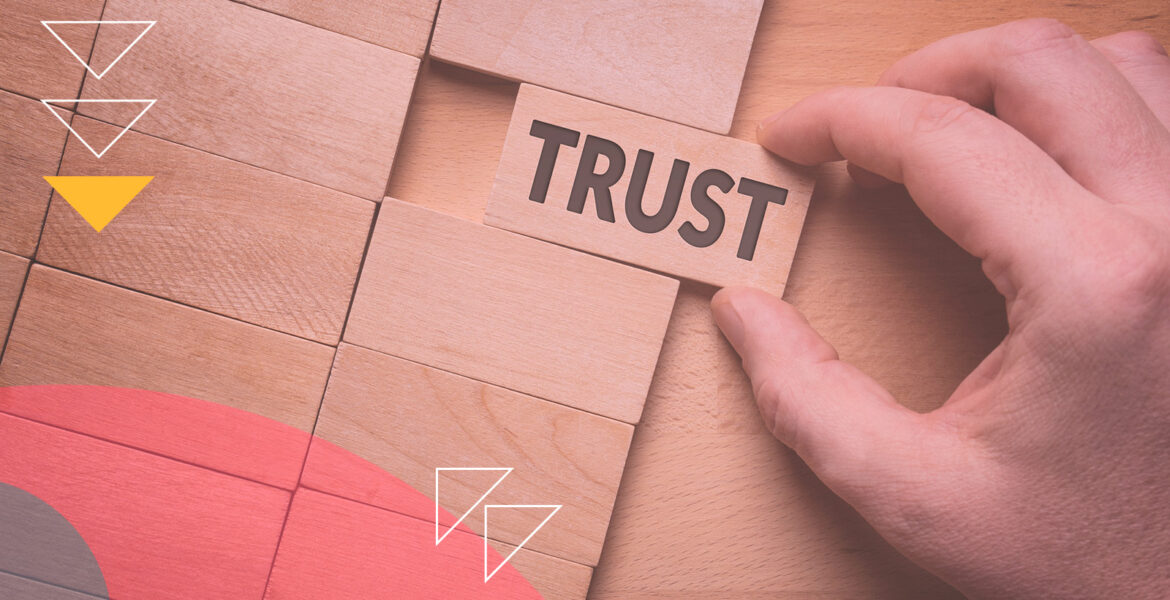
Today, we are seeing an important shift. The attention economy is giving way to something far more powerful: the trust economy.
In the trust economy, success is not measured by how many people briefly notice you. It’s measured by how many people believe you, respect your expertise and value your perspective.
Trust doesn’t happen overnight. It’s built over time through consistency, authenticity and meaningful communication.
And for professionals building their personal brands, this shift is incredibly important.
Attention can introduce you to people. Trust is what keeps them listening.
One viral post might bring visibility, but it’s consistent value that builds a reputation.
That reputation is what creates long-term opportunity.
In my work advising leaders, founders and executives, the professionals who stand out are not necessarily the ones chasing attention. They are the ones sharing their expertise, their experiences and their perspective in ways that help others learn and grow.
They are showing up consistently.
They are communicating clearly.
And most importantly, they are bringing value to every conversation.
This is where personal branding becomes so important.
Your personal brand is not about self-promotion. It’s about establishing credibility. It’s about making it clear what you know, what you stand for and how you think.
When professionals share lessons from their work, offer thoughtful insight on industry trends or explain how they solved a challenge, they are building something far more powerful than attention.
They are building trust.
One of the most effective ways to do that is through storytelling.
Facts inform. Stories connect.
When you share real experiences — what worked, what didn’t and what you learned — your expertise becomes more relatable and more memorable. People don’t just see your knowledge; they understand how you apply it.
That’s what builds credibility.
And credibility is what creates real opportunity.
In the trust economy, the outcomes that matter go far beyond engagement metrics. Trust leads to recommendations, referrals and partnerships. It leads to invitations to speak, collaborate or advise.
It also leads to career mobility. When people trust your expertise and understand your perspective, new doors open.
The most respected professionals today are not the ones who simply capture attention.
They are the ones who consistently contribute value.
They share ideas that help others think differently. They communicate with clarity and authenticity. And over time, they become trusted voices in their industries.
Attention may get you noticed, but trust is what builds a reputation that lasts.